
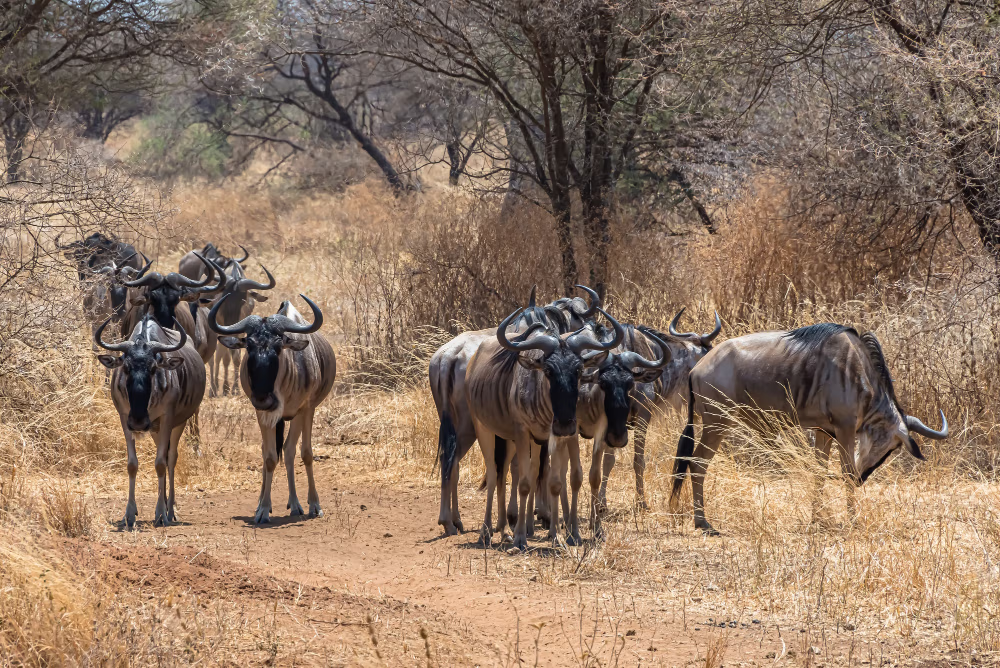
The Masai Mara is one of Africa’s most famous wildlife destinations and one of Kenya’s most important safari attractions. Located in southwestern Kenya, the Masai Mara National Reserve is internationally known for its remarkable concentration of wildlife, spectacular landscapes, the annual Great Migration, big cats, Maasai culture, and unforgettable safari experiences. For travelers planning a Masai Mara safari, the reserve offers an opportunity to experience African wildlife in a natural setting while exploring one of Kenya’s most iconic wilderness areas.
The name Masai Mara comes from the Maasai people and the Mara River. “Mara” is commonly associated with the Maasai description of the landscape as being marked or spotted, referring to the scattered trees, shrubs, and shadows across the open grasslands. Today, the name Masai Mara has become closely associated with Kenya’s safari tourism and the wider African wilderness experience.
Masai Mara Is Famous for the Great Migration
One of the main reasons the Masai Mara is famous around the world is the Great Migration. Each year, millions of wildebeest, accompanied by large numbers of zebras and gazelles, move between Tanzania’s Serengeti ecosystem and Kenya’s Masai Mara ecosystem in search of fresh grazing and water.
The migration is a natural cycle rather than a single event occurring on one particular day. The animals move according to rainfall, availability of grass, water, and seasonal conditions. When large herds arrive in the Masai Mara, the reserve can become an extraordinary wildlife spectacle.
One of the most dramatic parts of the migration is the crossing of the Mara River. During favorable conditions, wildebeest gather along the riverbanks before attempting to cross. The crossings can be unpredictable, and not every herd crosses at the same location or at the same time.
The migration is also an important part of the ecosystem because it supports predators and scavengers. Lions, leopards, cheetahs, hyenas, crocodiles, and other wildlife benefit from the abundance of prey.
For many international visitors, seeing the Great Migration is a major reason for booking a Masai Mara safari.
Masai Mara Is Famous for Big Cats
The Masai Mara is particularly famous for its large population of big cats. Lions are frequently encountered across the reserve, while cheetahs and leopards can also be seen by visitors on game drives.
The open grasslands provide excellent hunting grounds for predators. Lions can often be observed resting during the heat of the day or becoming active during the cooler morning and evening hours. Lion prides may include females, young cubs, and several adult males.
Cheetahs are another major attraction. Their ability to reach high speeds makes them one of the most fascinating predators to watch. The open plains of the Masai Mara provide suitable habitat for cheetahs because they allow the animals to use their speed when hunting.
Leopards are generally more elusive. They often spend time in areas with bushes, riverine vegetation, or trees where they can rest and hide. Finding a leopard during a game drive can therefore be a particularly memorable experience.
The combination of lions, cheetahs, and leopards contributes significantly to the international reputation of the Masai Mara as a premier wildlife destination.
Masai Mara Is Famous for the Big Five
The Masai Mara is also famous for opportunities to see Africa’s Big Five: lion, leopard, elephant, buffalo, and rhinoceros.
The term “Big Five” originally referred to five large African animals that were considered challenging to hunt on foot. Today, the term is mainly used in wildlife tourism to describe five of Africa’s most sought-after safari animals.
Lions and buffalo are relatively common sightings in suitable areas of the reserve. Elephants can also be encountered, while leopards require patience and careful observation. Black rhinoceros are more difficult to find because they are less numerous and tend to be more elusive.
Seeing all five species is never guaranteed on a safari because wildlife moves freely through the ecosystem. However, the possibility of encountering several of these iconic animals is one of the attractions that make the Masai Mara popular with safari travelers.
Masai Mara Is Famous for Its Open Grasslands
The landscape of the Masai Mara is another reason it is so famous.
The reserve is characterized by expansive savannah grasslands, rolling hills, seasonal streams, acacia trees, riverine vegetation, and open plains. This classic East African landscape is closely associated with the traditional image of an African safari.
The open terrain is particularly suitable for wildlife viewing because animals can often be seen from considerable distances. During game drives, travelers may encounter herds of wildebeest, zebras, buffalo, giraffes, elephants, antelopes, and other wildlife moving across the plains.
The landscape also changes with the seasons. During periods of rainfall, sections of the Mara can become green and lush. In drier periods, the grasslands can take on golden and brown colors.
These changing landscapes provide different safari experiences throughout the year.
Masai Mara Is Famous for the Mara River
The Mara River is one of the most recognizable natural features associated with the Masai Mara.
The river passes through the Mara ecosystem and provides water for wildlife throughout the year. It also forms part of the route followed by migrating wildebeest and zebras during the Great Migration.
The river is home to large Nile crocodiles and supports other wildlife species. During migration periods, the river can become the scene of dramatic wildlife activity as large herds gather along its banks.
However, travelers should understand that river crossings are completely natural events. There is no guaranteed crossing time, location, or number of animals that will cross. Some herds may remain near the river for hours or days before moving.
This unpredictability is part of what makes wildlife viewing in the Masai Mara so exciting.
Masai Mara Is Famous for Maasai Culture
The Masai Mara is also strongly associated with the Maasai people, one of Kenya’s best-known pastoral communities.
The Maasai have lived in and around the wider Mara ecosystem for generations. Their traditional lifestyle, cultural practices, clothing, ceremonies, livestock keeping, and relationship with the land have become an important part of the cultural tourism experience in the region.
Visitors may have opportunities to learn about Maasai traditions through responsible cultural experiences, including visits to communities or cultural villages where available.
A meaningful cultural experience should focus on learning, respectful interaction, and supporting local communities rather than treating culture simply as a tourist performance.
Combining wildlife viewing with cultural experiences can give travelers a broader understanding of the region surrounding the Masai Mara.
Masai Mara Is Famous for Wildlife Diversity
Although the Big Five and Great Migration receive much of the attention, the Masai Mara is home to a much wider range of wildlife.
Depending on the area and season, visitors may see giraffes, zebras, wildebeest, impalas, topis, elands, gazelles, hippos, warthogs, hyenas, jackals, ostriches, and many species of birds.
The reserve and surrounding conservancies form part of a larger ecosystem that supports an impressive variety of wildlife. This means that a safari is not only about finding famous animals but also about observing how different species interact within the environment.
For photographers and wildlife enthusiasts, this diversity creates opportunities to capture everything from predator behavior and large herbivore herds to birds and dramatic landscapes.
Masai Mara Is Famous for Wildlife Photography
The Masai Mara is one of Kenya’s most popular destinations for wildlife photography.
The combination of open landscapes, abundant wildlife, dramatic skies, predators, large herds, and changing light creates excellent photographic opportunities.
Early morning game drives are particularly popular because the light can be soft and wildlife is often active. Evening game drives can also provide opportunities to photograph animals in warm sunset conditions, subject to the applicable reserve and conservancy rules.
The Great Migration creates additional opportunities for photographers interested in capturing large herds, river crossings, predator-prey interactions, and the movement of animals across the plains.
A good wildlife photography safari in the Masai Mara benefits from patience. Rather than rushing from one sighting to another, spending time observing animal behavior can result in more meaningful photographs.
Masai Mara Is Famous for Year-Round Safari Experiences
Although the Great Migration is seasonal, the Masai Mara is not simply a seasonal destination.
Wildlife remains in the ecosystem throughout the year, and different periods offer different experiences.
During wetter periods, vegetation can become greener and landscapes can be particularly attractive for photography. During drier periods, wildlife may become easier to locate around remaining water sources and shorter grass areas.
The migration usually receives the greatest international attention during the period when large herds move into the Mara ecosystem, but travelers should not assume that a safari outside the migration period means there is little wildlife.
A Masai Mara safari can provide excellent wildlife viewing in different seasons, depending on the traveler’s priorities.
Masai Mara Is Famous for Luxury Safari Lodges and Camps
The destination is also famous for its range of safari accommodation.
Travelers can choose from luxury safari lodges, tented camps, boutique camps, family-friendly properties, mid-range accommodation, and more traditional camping experiences.
Many luxury properties emphasize personalized service, comfortable accommodation, quality dining, guided game drives, and views of the surrounding wilderness.
Some properties are located inside or close to the national reserve, while others are situated within private or community conservancies surrounding the Mara.
Choosing accommodation depends on factors such as budget, location, preferred safari style, access to wildlife areas, family requirements, and the type of experience a traveler wants.
Masai Mara Is Famous for Private Safaris
Private safari experiences are another reason the Masai Mara remains popular with international travelers.
A private safari vehicle allows travelers to have greater flexibility over their daily schedule compared with joining a larger shared group. Families, couples, photographers, honeymooners, and travelers celebrating special occasions may prefer this type of arrangement.
A private Masai Mara safari can be designed around specific interests, such as photography, wildlife, birdwatching, family travel, luxury accommodation, or the Great Migration.
Travelers can also combine the Masai Mara with other destinations in Kenya, creating longer safari circuits.
Masai Mara Is Famous for Conservancies
The wider Mara ecosystem includes community and private conservancies located around the national reserve.
These conservancies play an important role in wildlife conservation and community involvement. They can provide additional wildlife habitat while creating economic opportunities connected to tourism.
Some conservancies offer experiences that may differ from those available within the main reserve, depending on their individual rules and management arrangements.
For travelers looking for a more exclusive safari experience, staying in a conservancy can be an option worth considering.
The conservancy model also demonstrates the importance of connecting wildlife conservation with benefits for local communities.
Masai Mara Is Famous for the African Safari Experience
Beyond individual animals and attractions, the Masai Mara is famous because it represents the classic African safari experience.
A typical day can begin with an early morning game drive as the sun rises over the grasslands. Travelers may encounter grazing zebras, wildebeest moving across the plains, giraffes browsing among trees, or predators beginning their daily activities.
After returning to camp for breakfast and relaxation, another game drive can take place later in the day. The afternoon often brings changing light and different wildlife activity.
This rhythm of early mornings, wildlife encounters, open landscapes, comfortable camps, and evenings around the safari campfire has made the Masai Mara one of the world’s best-known safari destinations.
Masai Mara Is Famous for Honeymoon Safaris
The destination is also popular with couples and honeymoon travelers.
The combination of wildlife, scenic landscapes, luxury camps, private dining experiences, and secluded accommodation can create a memorable safari holiday.
Couples may combine a Masai Mara safari with destinations such as Nairobi, Amboseli, Lake Naivasha, Diani Beach, or the Kenyan coast.
For honeymooners, private vehicles and carefully selected accommodation can provide a more personalized travel experience.
Masai Mara Is Famous for Family Safaris
Families also visit the Masai Mara because children can experience wildlife in a natural environment while learning about conservation and African ecosystems.
Family safari planning should take into consideration the ages of children, driving distances, accommodation policies, meal arrangements, and the length of game drives.
Some camps offer family accommodation and child-focused activities, although the availability and age requirements vary between properties.
A well-planned family Masai Mara safari can combine wildlife viewing with educational and cultural experiences.
Masai Mara Is Famous for Birdwatching
The Masai Mara is not only a destination for mammal viewing. It is also an important birdwatching destination.
The ecosystem supports many bird species, including birds of prey, grassland species, water-associated birds, and migratory species.
Birdwatchers can encounter eagles, vultures, storks, secretary birds, ostriches, rollers, hornbills, and numerous smaller species depending on the season and habitat.
The presence of large predators and herbivores also creates opportunities to observe scavenging birds and birds of prey interacting with wildlife.
For serious birdwatchers, adding extra time to a Masai Mara safari can provide opportunities to explore the area’s bird diversity rather than focusing exclusively on the Big Five.
Masai Mara Is Famous for Its Connection to the Serengeti
The Masai Mara and Tanzania’s Serengeti form one interconnected ecosystem.
Wildlife does not recognize international borders, and animals move between Kenya and Tanzania according to ecological conditions.
The Great Migration is therefore best understood as an ecosystem-wide movement rather than an event belonging exclusively to one country.
This connection also makes Kenya and Tanzania combination safaris popular. Travelers can visit the Serengeti and Ngorongoro Conservation Area in Tanzania before continuing to the Masai Mara in Kenya.
Such itineraries can provide a broader East African safari experience.
Why Visit Masai Mara?
The reasons for visiting the Masai Mara vary from traveler to traveler. Some visitors are primarily interested in the Great Migration, while others want to see lions, cheetahs, leopards, elephants, or the Big Five.
Others are attracted by the landscapes, photography opportunities, Maasai culture, luxury accommodation, family experiences, honeymoon travel, or the chance to experience a traditional African safari.
One of the strongest characteristics of the Masai Mara is the combination of these experiences in one destination. A traveler can spend the same safari observing predators, watching large herbivore herds, learning about local communities, photographing landscapes, and relaxing at a safari camp.
Best Time to Visit Masai Mara
There is no single perfect month for every traveler because the best time depends on what you want to experience.
Travelers specifically interested in the Great Migration often plan their trips around the period when large herds are expected in the Mara ecosystem. However, migration timing changes from year to year because it depends heavily on rainfall and environmental conditions.
Travelers primarily interested in general wildlife viewing can consider other periods of the year as well.
When planning a Masai Mara safari, it is therefore useful to choose travel dates according to your priorities rather than assuming that one season is suitable for everyone.
How Many Days Do You Need in Masai Mara?
The ideal length of a Masai Mara safari depends on the overall Kenya itinerary and the traveler’s interests.
A short safari can provide an introduction to the reserve, while three or four nights allow more time for game drives and a more relaxed experience.
Travelers interested in photography, the Great Migration, birdwatching, or spending time in conservancies may prefer a longer stay.
The advantage of staying multiple nights is that there is more flexibility to explore different areas and spend additional time observing wildlife rather than rushing through the reserve.
Conclusion: What Is Masai Mara Famous For?
The Masai Mara is famous for its Great Migration, abundant wildlife, Big Five sightings, exceptional big-cat viewing, open savannah landscapes, Mara River, Maasai culture, wildlife photography, luxury safari camps, and unforgettable African safari experiences.
Its connection with Tanzania’s Serengeti makes it part of one of Africa’s most important wildlife ecosystems. The combination of wildlife diversity, spectacular scenery, cultural experiences, and different safari accommodation options makes the Masai Mara a major destination for travelers visiting Kenya.
Whether your goal is to witness the Great Migration, search for lions and cheetahs, photograph wildlife, enjoy a luxury safari, experience Maasai culture, or simply explore the African savannah, the Masai Mara offers a wide range of experiences for different types of travelers.
For anyone researching Masai Mara safari packages, understanding what the destination is famous for is a useful first step toward choosing the right season, accommodation, safari duration, and itinerary.