
Home / Page 2
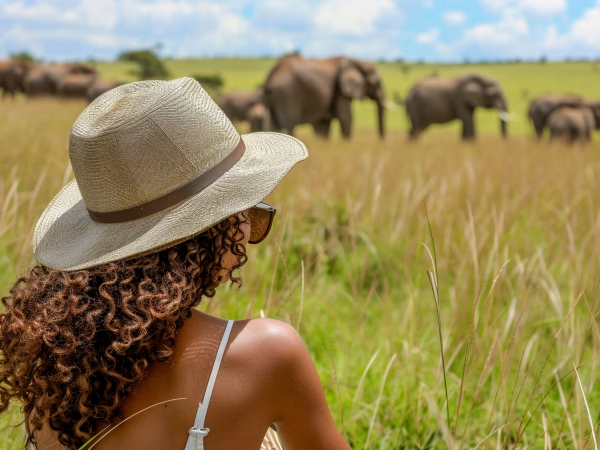
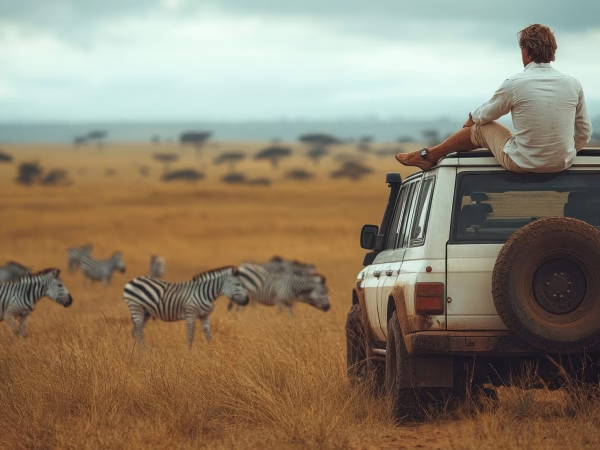
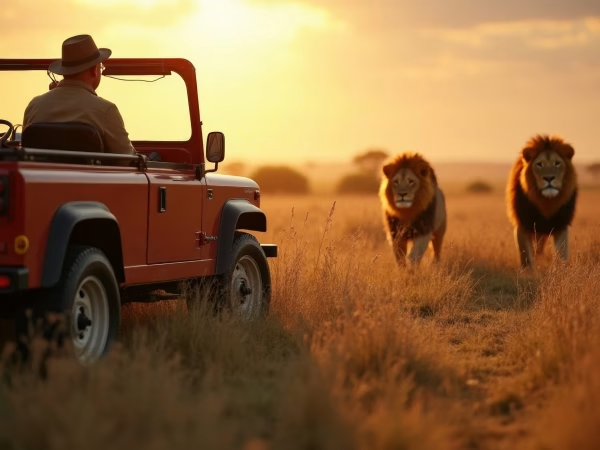
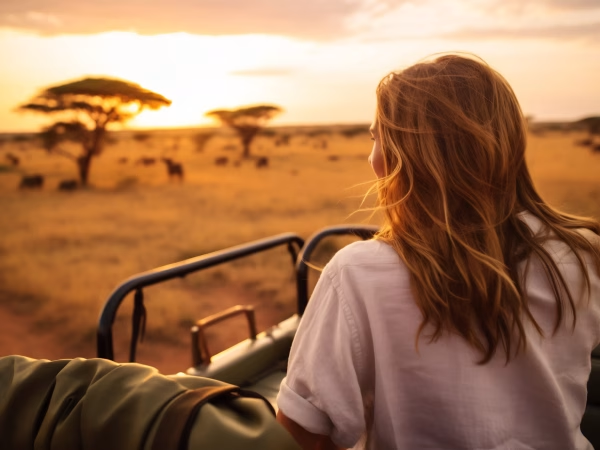
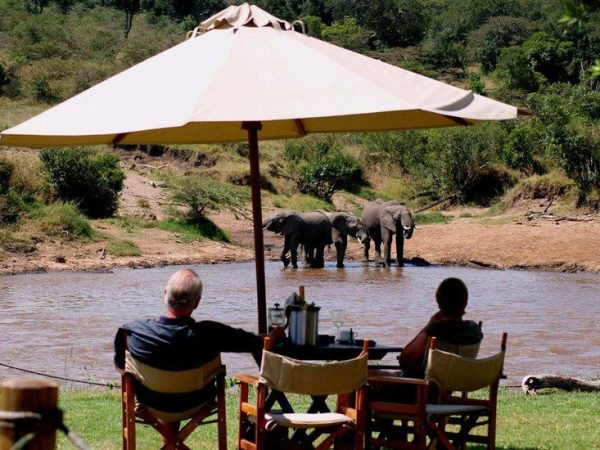
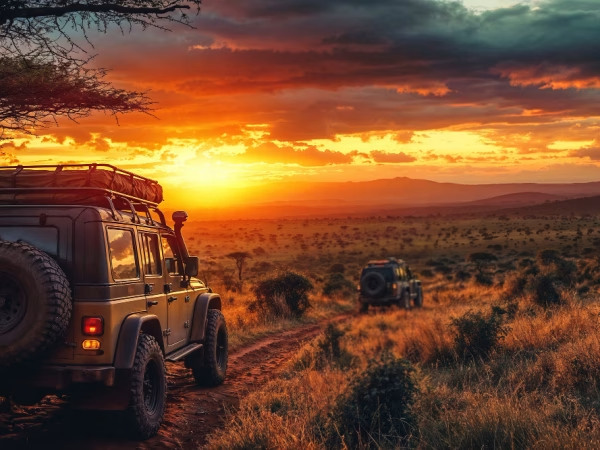
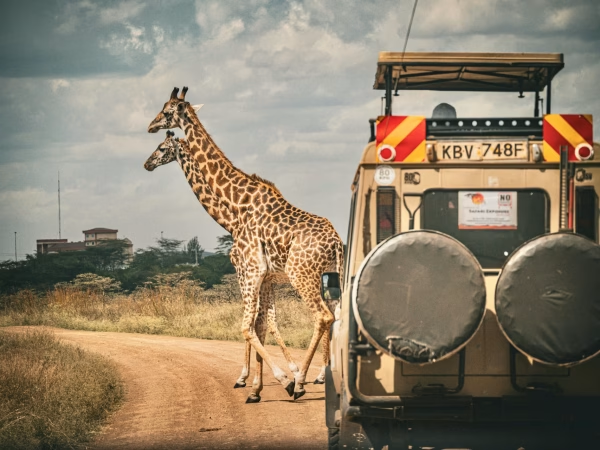
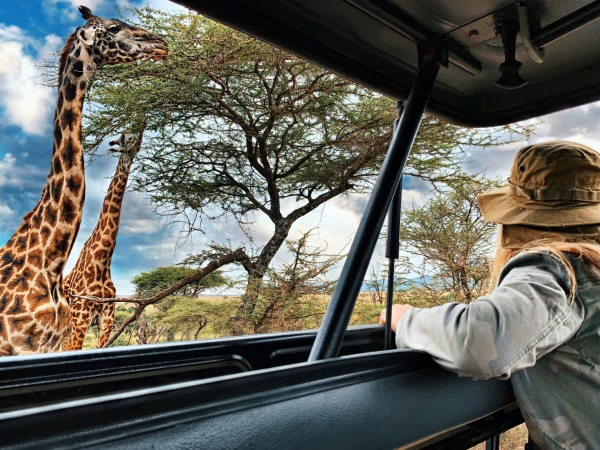
The Maasai Mara National Reserve is located in Narok County, southwestern Kenya, near the border with Tanzania. It forms the northern section of the larger Serengeti ecosystem, which stretches across Kenya and Tanzania and supports one of the world’s most important wildlife populations.
The reserve covers approximately 1,500 square kilometres of protected wilderness consisting of open grasslands, rivers, woodlands, and seasonal wetlands. Its location provides ideal conditions for wildlife because animals can move freely across the wider Serengeti–Mara ecosystem.
The nearest major city is Nairobi, Kenya’s capital. From Nairobi, travellers can reach the Maasai Mara by road or domestic flights. Its relatively accessible location compared with many other remote safari destinations is one reason why it attracts millions of visitors.
The Maasai Mara is one of Africa’s top safari destinations because it delivers an exceptional combination of wildlife, scenery, culture, and adventure. Few destinations offer such a high concentration of animals together with the opportunity to witness one of the world’s greatest natural events.
Its wildlife abundance is a major attraction. Visitors have excellent opportunities to see predators, large herbivores, and diverse bird species within a relatively concentrated area. The famous Great Migration further strengthens its global reputation as one of the best places to experience nature at a massive scale.
The destination is also highly accessible compared with many other African safari locations. Travellers can easily connect from Nairobi by road or air, making it suitable for both short and extended safari holidays.
The professional safari industry in Kenya further enhances the experience. Experienced guides, quality accommodation options, and well-developed tourism services ensure visitors receive expert interpretation of wildlife and comfortable travel arrangements.
Finally, the Maasai Mara offers something beyond wildlife — it provides a connection to African culture, conservation, and nature. The combination of extraordinary animals, beautiful landscapes, and meaningful experiences makes the Maasai Mara a destination that many travellers describe as a once-in-a-lifetime adventure.
The Maasai Mara is approximately 260–280 kilometres from Nairobi, depending on the route taken and the location of your accommodation within the reserve or surrounding conservancies. Nairobi is the main entry point for most travellers visiting the Maasai Mara because it has international flight connections, domestic airports, and a wide range of tour operators.
The journey from Nairobi to Maasai Mara by road usually takes between 5 and 6 hours, although travel time can vary depending on traffic conditions, weather, road quality, and the specific camp or lodge you are visiting. The first part of the journey involves travelling through Kenya’s central highlands before descending into the Great Rift Valley, where travellers enjoy spectacular views of one of the world’s most significant geological features.
The final section of the journey involves travelling through rural areas and wildlife corridors. During this part of the trip, visitors begin experiencing the transition from urban Kenya to the open landscapes of the African savannah. Many travellers consider the road journey itself part of the safari experience because it provides opportunities to see local communities, farms, landscapes, and wildlife areas before reaching the reserve.
For visitors who prefer convenience and want to maximise safari time, flying is another option. Domestic flights from Nairobi’s Wilson Airport to airstrips near Maasai Mara take approximately 45–60 minutes. Several safari camps operate their own transfers from nearby airstrips, allowing visitors to begin game viewing almost immediately after landing.
The choice between driving and flying depends on your budget, available time, and preferred travel experience. Driving is more affordable and allows you to experience Kenya’s countryside, while flying provides comfort, saves time, and is ideal for shorter safari packages.
There are two main ways to travel from Nairobi to Maasai Mara: by road and by air. The best option depends on your travel preferences, budget, and the amount of time available.
Most budget and mid-range safari packages use road transport because it is more affordable and allows travellers to experience Kenya’s landscapes along the way. Visitors are usually picked up from their hotels, residences, or Nairobi airport by a safari vehicle operated by a tour company.
The common route passes through:
The road journey provides opportunities to observe local life, agricultural activities, and changing landscapes. Many travellers enjoy stopping at the Great Rift Valley viewpoint to appreciate the dramatic scenery before continuing towards the reserve.
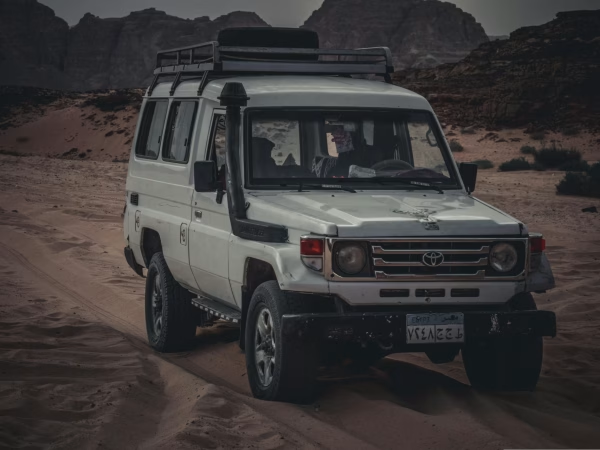
Safari vehicles used for this journey are usually specially designed 4×4 vehicles with raised roofs or open sides to allow comfortable wildlife viewing during game drives.
Flying is the fastest and most comfortable option for reaching Maasai Mara. Flights usually depart from Wilson Airport in Nairobi and land at one of several airstrips located near safari camps and lodges.
Flying is particularly suitable for:
After landing, guests are usually transferred directly to their accommodation, often with a game drive included on the way.
There is no single best option because each has advantages.
Road travel is recommended for travellers who:
Flying is recommended for travellers who:
For a first-time visitor, either option provides a memorable experience. The choice should depend on the overall safari package and personal preferences.
The ideal length of a Maasai Mara safari depends on your interests, budget, and travel schedule. However, most experienced safari travellers recommend spending at least three to four days in the Mara to fully appreciate the destination.
A two-day safari is possible for travellers with limited time, but it can feel rushed. Visitors may experience only a few game drives and may miss some areas of the reserve. This option is suitable for people who have tight schedules but still want a taste of the Maasai Mara.
A three-day safari is one of the most popular options because it provides enough time for:
This duration is suitable for first-time visitors who want a balanced experience.
A four-day safari provides a more complete experience. It allows visitors to explore different sections of the reserve, increase chances of seeing different animals, and enjoy the safari without feeling rushed.
This option is particularly recommended for:
Longer stays are ideal for visitors who want deeper exploration. Wildlife photographers, researchers, and travellers seeking a slower experience often prefer extended stays because they allow more time to observe animal behaviour and discover less-visited areas.
A longer stay also provides opportunities for additional experiences such as cultural visits, balloon safaris, and relaxation at luxury camps.
The travel time from Nairobi to Maasai Mara depends on the method of transport.
By road, the journey usually takes approximately 5–6 hours. However, this can sometimes be longer depending on traffic leaving Nairobi, weather conditions, road maintenance, and stops along the way. The journey is not simply transportation; it is often part of the safari adventure because visitors pass through different landscapes and communities.
Many safari operators schedule departures early in the morning to allow travellers to arrive in time for an afternoon game drive. Starting early also helps avoid heavy Nairobi traffic and maximises wildlife viewing opportunities.
By air, the journey takes approximately 45–60 minutes. After landing, transfers to individual camps or lodges may take an additional period depending on the location of the accommodation.
For visitors planning a short safari, flying is usually the better option because it reduces travel time and allows more hours for wildlife viewing. For longer safaris, road travel offers a more immersive Kenyan experience.
The ideal Maasai Mara safari itinerary depends on the traveller’s available time, interests, and budget, but a 4-day, 3-night safari is widely considered one of the best options for first-time visitors. This duration provides enough time to experience the major highlights of the reserve without feeling rushed. A well-planned itinerary allows visitors to enjoy multiple game drives, explore different areas of the Mara ecosystem, experience local culture, and still have time to relax at their accommodation.
A typical four-day Maasai Mara safari begins with a journey from Nairobi to the reserve. Travellers travelling by road usually enjoy scenic views along the Great Rift Valley before continuing through rural landscapes and Maasai communities. After arriving at the lodge or camp, visitors usually have an afternoon game drive, which provides their first opportunity to experience the wildlife of the Mara. During this first drive, guests may encounter elephants, zebras, giraffes, antelopes, buffaloes, and possibly predators such as lions, cheetahs, or leopards depending on animal locations and conditions.
The second day is usually dedicated to full exploration of the Maasai Mara through morning and afternoon game drives. Early morning drives are especially rewarding because many animals are active after the cooler night temperatures. Visitors may witness predators searching for prey, herbivores grazing across the plains, and large herds moving through the savannah. A full-day game drive with a picnic lunch inside the reserve is also a popular option because it allows travellers to spend more time exploring without returning to the lodge during the middle of the day.
The third day can combine additional wildlife viewing with cultural experiences. Visitors may explore areas of the reserve that they did not cover earlier, search for specific animals such as lions, leopards, or cheetahs, and enjoy the changing landscapes of the Mara. Many travellers also choose to visit a Maasai village to learn about traditional lifestyles, community practices, and the relationship between local people and wildlife conservation. For those seeking a unique experience, a hot-air balloon safari can also be included, offering breathtaking views of the sunrise, wildlife, and vast savannah plains from above.
The final day usually includes a final morning game drive before returning to Nairobi by road or air. This last opportunity to explore the reserve often provides memorable wildlife sightings because animals are still active during the early hours. A well-planned four-day itinerary provides a complete Maasai Mara experience by combining wildlife, adventure, scenery, and culture while allowing visitors enough time to appreciate the destination.
The best way to explore Maasai Mara is through guided game drives using a professional safari vehicle and an experienced wildlife guide. Although visitors can enjoy the beauty of the landscape independently, the knowledge and experience of a trained guide greatly improve the quality of the safari. Professional guides understand animal behaviour, seasonal movements, and the geography of the reserve, allowing them to identify the best areas for wildlife viewing and provide valuable information about the ecosystem.
Game drives are the main activity in Maasai Mara because they allow visitors to explore large areas of the reserve while observing animals in their natural environment. Most safari programmes include early morning and afternoon game drives because these periods offer the best opportunities for wildlife sightings. During morning drives, animals are often more active because temperatures are cooler, making it easier to observe predators hunting and herbivores moving across the plains. Afternoon drives provide opportunities to follow animal movements, enjoy spectacular scenery, and experience the beauty of the African sunset.
Choosing between a private and shared safari vehicle depends on personal preferences and budget. Private vehicles offer greater flexibility because visitors can decide how much time to spend at wildlife sightings and adjust the schedule according to their interests. This option is especially suitable for photographers, families, couples, and travellers seeking a personalised experience. Shared safari vehicles are more affordable and provide an opportunity to meet other travellers while still enjoying professional guidance and wildlife viewing.
Another popular way to experience Maasai Mara is through a hot-air balloon safari. This activity provides a different perspective of the reserve by allowing visitors to view the landscape from above as the sun rises over the plains. The experience offers exceptional photography opportunities and creates a peaceful contrast to traditional vehicle-based game drives.
Some visitors also choose cultural experiences and guided nature activities, especially in private conservancies surrounding the reserve. These experiences provide deeper understanding of the smaller details of the ecosystem, local traditions, and conservation efforts. Overall, combining guided game drives with selected additional experiences provides the most complete Maasai Mara adventure.
Planning a successful Maasai Mara safari requires careful consideration of factors such as the best travel season, accommodation options, safari duration, transportation, budget, and personal interests. A well-planned safari ensures that visitors maximise their time in the reserve and enjoy a comfortable and memorable experience.
The timing of the visit is one of the most important factors to consider. Travellers interested in witnessing the Great Migration usually plan their trips between July and October, when large herds of wildebeest and zebras enter the Mara ecosystem. However, the Maasai Mara is a year-round destination, and visitors travelling outside migration season can still enjoy excellent wildlife viewing, fewer crowds, and beautiful landscapes.
Choosing the right accommodation is also important because the location and quality of a lodge or camp can significantly influence the safari experience. Options range from budget camps suitable for cost-conscious travellers to luxury tented camps offering premium services, private facilities, and exclusive experiences. Visitors should consider the location of the accommodation, included meals, transport arrangements, and proximity to wildlife areas when making their choice.
The length of the safari should match the traveller’s goals. While short trips of two days are possible, they may feel rushed because much of the time is spent travelling. A three- to four-day safari generally provides a better balance, allowing enough time for multiple game drives and a deeper appreciation of the environment. Longer stays are ideal for photographers, wildlife enthusiasts, and travellers who prefer a slower pace.
Budget planning is another important consideration. The total cost depends on accommodation standards, transport method, park fees, number of days, and additional activities such as balloon safaris or cultural visits. Travellers should compare packages carefully to understand what is included, such as meals, transportation, guide services, and conservation fees.
Finally, selecting a reputable safari operator is essential. Experienced operators provide professional guides, reliable vehicles, proper safety standards, and better overall service. A good safari company does not only transport visitors but also enhances the experience through expert knowledge of wildlife and conservation.
By considering these factors in advance, travellers can create a Maasai Mara safari that matches their expectations, budget, and travel style while ensuring a rewarding and unforgettable wildlife experience.
The best time to visit Maasai Mara depends on the type of experience you want to have, because the reserve offers excellent wildlife viewing throughout the year. There is no single month that is perfect for every traveller. The ideal travel period depends on whether your priority is witnessing the Great Migration, enjoying fewer crowds, getting the best photography opportunities, travelling on a budget, or experiencing comfortable weather conditions.
For most first-time visitors, the period between July and October is considered the most popular time to visit because it coincides with the arrival of large herds of wildebeest and zebras during the Great Migration. During this period, the Maasai Mara becomes the stage for one of nature’s greatest spectacles, with dramatic river crossings, large animal movements, and increased predator activity.
However, the Maasai Mara is a year-round safari destination. Visitors travelling outside the migration season can still experience exceptional wildlife encounters because many animals, including lions, elephants, giraffes, cheetahs, and buffaloes, live in the Mara ecosystem throughout the year. In some cases, travelling outside peak season provides advantages such as lower accommodation costs, fewer vehicles during game drives, and a more peaceful wilderness experience.
The best time also depends on personal interests. Wildlife photographers may prefer periods with beautiful lighting and fewer visitors, while travellers interested specifically in the migration may plan their visit around July to October. Families may prefer months with more predictable weather conditions, while budget travellers often choose shoulder seasons when prices are lower.
Ultimately, the Maasai Mara offers rewarding experiences throughout the year, and the best time to visit depends on what you hope to see and how you want to experience the destination.
The Great Migration usually occurs in the Maasai Mara between July and October, although the exact timing changes every year depending on rainfall patterns, availability of fresh grass, and natural animal movements. The migration is not a scheduled event with fixed dates because it follows nature’s cycles rather than a human timetable.
The migration involves millions of wildebeest, hundreds of thousands of zebras, and large numbers of gazelles moving between Tanzania’s Serengeti and Kenya’s Maasai Mara. These animals travel in search of fresh grazing areas and water, creating one of the largest wildlife movements on Earth.
The most dramatic period is often between August and September, when many herds cross the Mara River. These river crossings attract visitors from around the world because they involve enormous groups of animals facing challenging conditions. The crossings are unpredictable, and visitors may wait for hours before witnessing a crossing, but the experience is considered one of the greatest wildlife spectacles.
During migration season, predator activity also increases because the large number of migrating animals provides abundant opportunities for hunting. Lions, cheetahs, leopards, hyenas, and other predators follow the herds, creating opportunities to observe dramatic interactions between predators and prey.
Travellers should understand that the Great Migration is a natural process and cannot be guaranteed on a specific day or location. The animals move according to environmental conditions, and even during peak migration months, sightings depend on timing, weather, and luck.
During the Great Migration, the Maasai Mara experiences one of the most extraordinary wildlife events on the planet. Millions of wildebeest, zebras, and gazelles enter the Mara ecosystem after moving north from Tanzania’s Serengeti in search of fresh grass and water.
The migration is driven by survival instincts and environmental conditions. As grazing areas become exhausted in one region, the herds move across vast landscapes following rainfall patterns and the availability of food. This continuous movement ensures that the animals can survive while maintaining the natural balance of the ecosystem.
One of the most famous moments of the migration is the Mara River crossing. During these crossings, thousands of animals gather along riverbanks before entering the water. The process is unpredictable because animals must overcome strong currents, steep riverbanks, exhaustion, and the presence of crocodiles. Predators such as lions and hyenas may also wait nearby, creating dramatic scenes of survival.
However, the migration is not only about river crossings. Throughout the season, visitors can witness enormous herds moving across open plains, predators following their movements, and various interactions between different species. The entire ecosystem becomes more active as animals respond to the arrival of migrating herds.
For photographers and wildlife enthusiasts, migration season provides some of the most memorable opportunities to capture animal behaviour, landscapes, and dramatic moments. However, visitors should remember that the Maasai Mara remains an incredible destination even when the migration is not taking place.
Yes, Maasai Mara is an excellent destination throughout the year, even outside the Great Migration period. While migration season attracts the largest number of visitors, the Mara’s resident wildlife population ensures that visitors can enjoy remarkable safari experiences in every season.
One advantage of visiting outside migration season is that the reserve is usually less crowded. During peak migration months, popular wildlife sightings can attract many safari vehicles. Travelling during quieter periods allows visitors to enjoy a more relaxed experience and spend more time observing animals without large numbers of vehicles nearby.
Wildlife viewing remains excellent because many species remain permanently within the ecosystem. Visitors can still see lions, elephants, leopards, cheetahs, giraffes, buffaloes, zebras, and many other animals. In some periods, wildlife viewing may even be better because animals are easier to follow when vegetation is less dense.
The months between January and March are particularly attractive for many travellers because the landscape is often green, young animals are being born, and predator activity can be high. The presence of newborn animals creates opportunities to observe fascinating behaviours such as parental care and predator-prey interactions.
The rainy seasons also provide unique experiences. Although some roads may become challenging, the landscape becomes vibrant, birdlife increases, and photographers can capture dramatic skies and beautiful scenery.
Travelling outside migration season is therefore not a compromise. It can provide a different but equally rewarding Maasai Mara experience.
The rainy season transforms the Maasai Mara into a beautiful and vibrant landscape filled with fresh vegetation, flowing rivers, and increased bird activity. Although some travellers prefer dry seasons because wildlife is easier to locate around water sources, the rainy season offers unique advantages that many visitors appreciate.
The Maasai Mara experiences two main rainy periods: the long rains and the short rains. The exact timing and intensity vary each year, but rainfall generally brings renewed growth across the grasslands and improves conditions for many species.
During the rainy season, the landscape becomes greener and more colourful. Photographers often prefer this period because the scenery is dramatic, skies are more dynamic, and the contrast between wildlife and vegetation creates beautiful images.
The rainy season is also an important period for wildlife reproduction. Many animals give birth when food becomes more abundant, allowing visitors to see young animals alongside their mothers. This creates opportunities to observe nurturing behaviour and the early stages of wildlife development.
Birdwatching is particularly rewarding during wetter months because migratory birds arrive and resident species become more active. The Mara becomes a paradise for visitors interested in bird photography and ecological observation.
However, travellers should be prepared for some challenges. Rain can make certain roads muddy, and some areas may become harder to access. Proper planning, suitable clothing, and travelling with experienced guides help ensure a comfortable experience.
The best month for wildlife viewing depends on the type of experience a traveller wants, but several months are particularly popular among safari experts and visitors.
August and September are often considered among the best months for overall wildlife experiences because they combine the Great Migration with excellent predator activity. During this period, visitors have opportunities to see large herds, river crossings, and increased interactions between predators and prey.
July is also an excellent month because migrating herds begin entering the Maasai Mara. Visitors may experience early migration activity while avoiding some of the extreme crowds that occur during peak periods.
October remains a good month because many animals are still present in the Mara, while visitor numbers may begin decreasing toward the end of the month.
For travellers who prefer fewer crowds and beautiful landscapes, January to March offers excellent wildlife viewing. During this period, resident animals remain active, many species give birth, and the weather is generally favourable for game drives.
The best wildlife viewing is not only determined by the month but also by the quality of the safari guide, location of accommodation, number of game drives, and time spent exploring the reserve. Experienced guides significantly increase the chances of memorable sightings because they understand animal movements and behaviour.
The Maasai Mara is a year-round photography destination, but the best season depends on the type of images a photographer wants to capture.
For dramatic wildlife photography, the migration season between July and October provides exceptional opportunities. Photographers can capture large herds, predator activity, river crossings, and powerful moments of animal behaviour.
For landscape photography, the greener months can be ideal because the plains become more colourful and the skies create dramatic backgrounds. The combination of fresh vegetation, clouds, and wildlife creates visually striking images.
Early mornings and late afternoons are generally the best times for photography because the light is softer and warmer. These periods also coincide with increased animal activity, making them ideal for capturing both landscapes and wildlife.
Professional photographers often prefer longer stays because wildlife encounters are unpredictable. Spending several days in the Mara increases the chances of witnessing unique moments and capturing a wider variety of subjects.