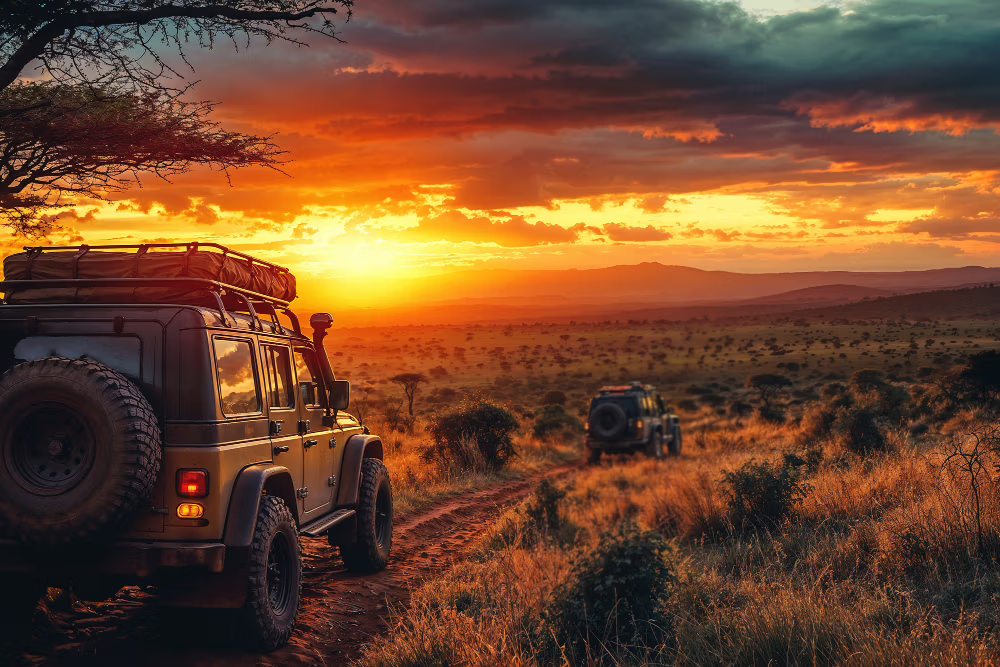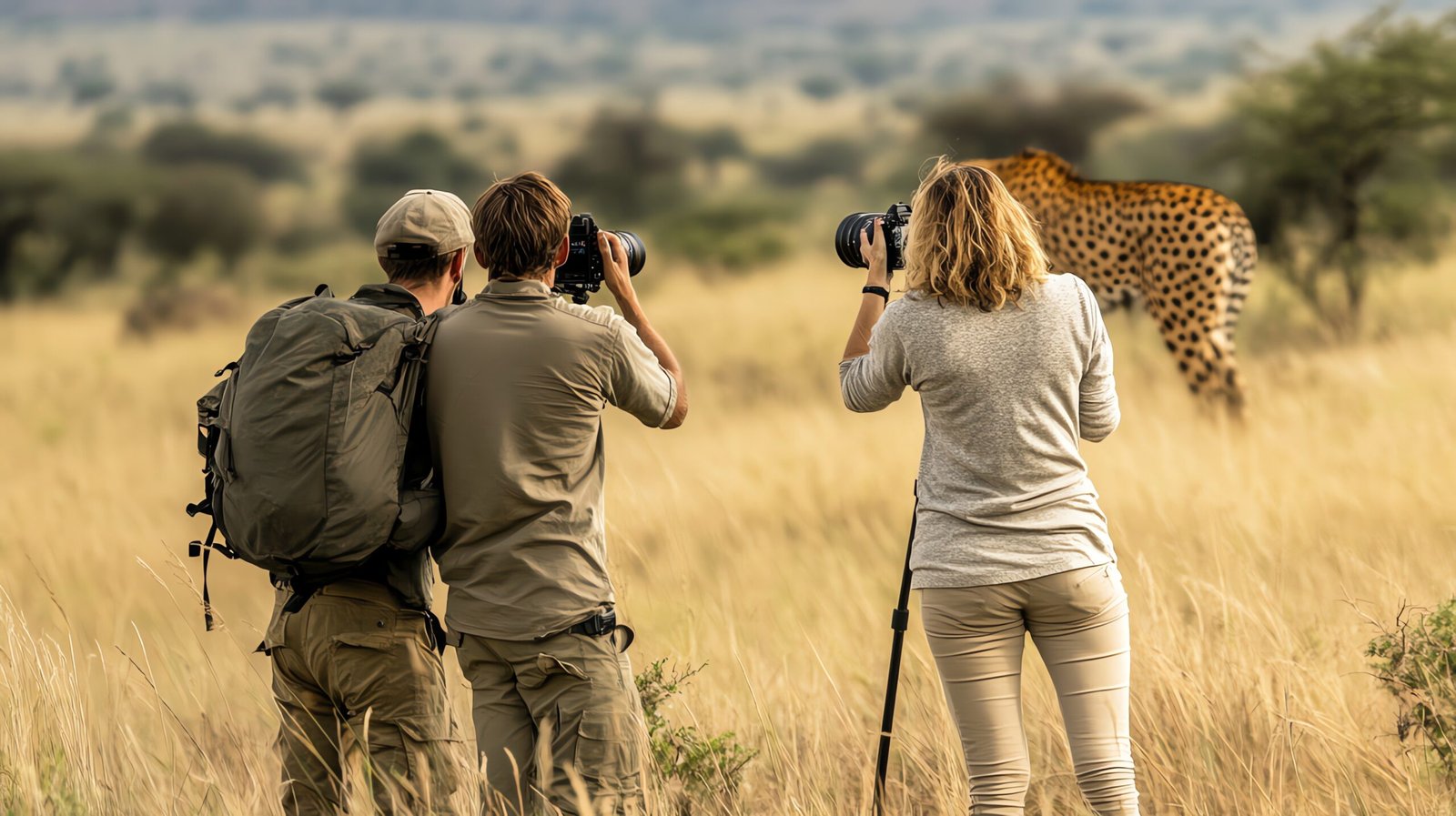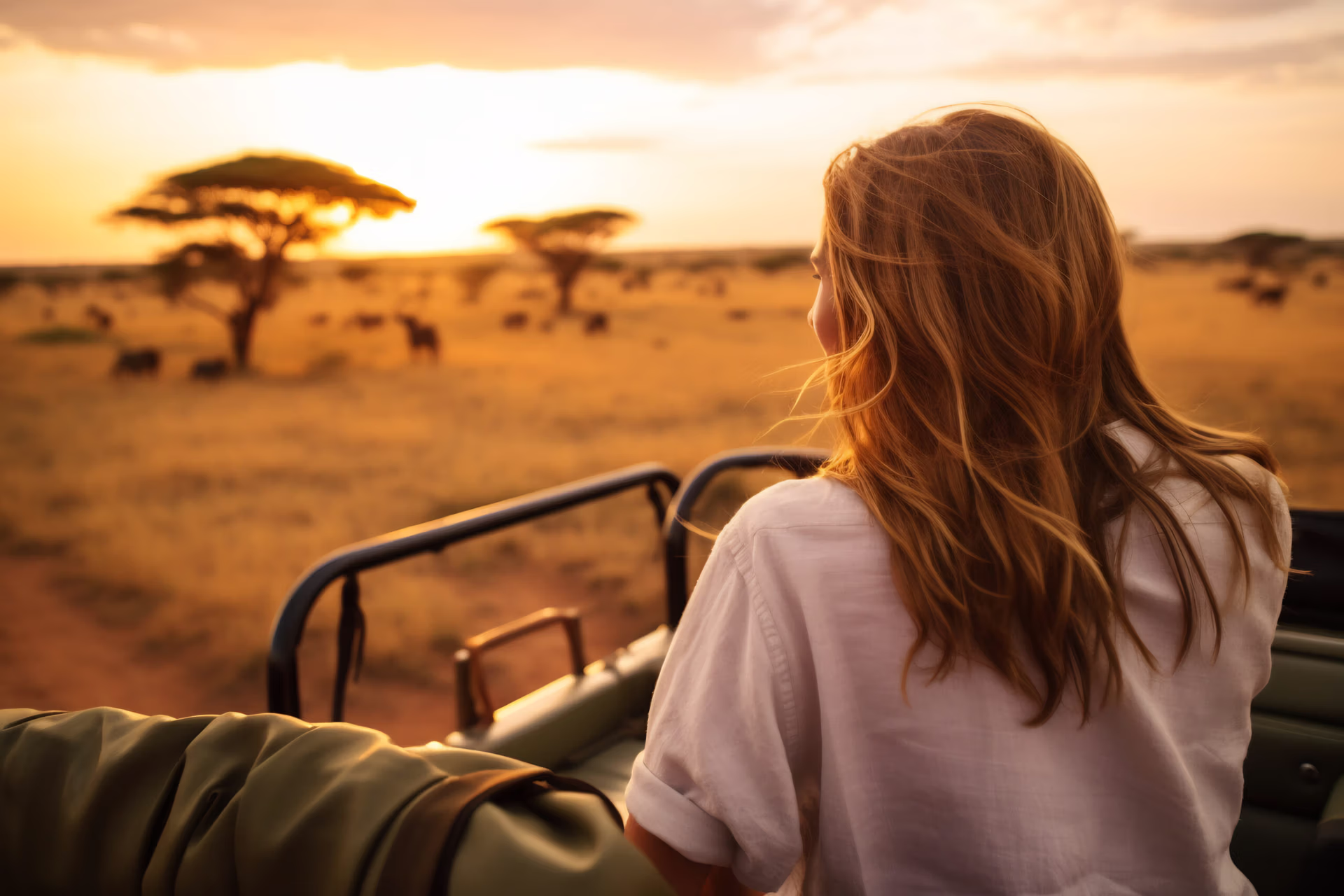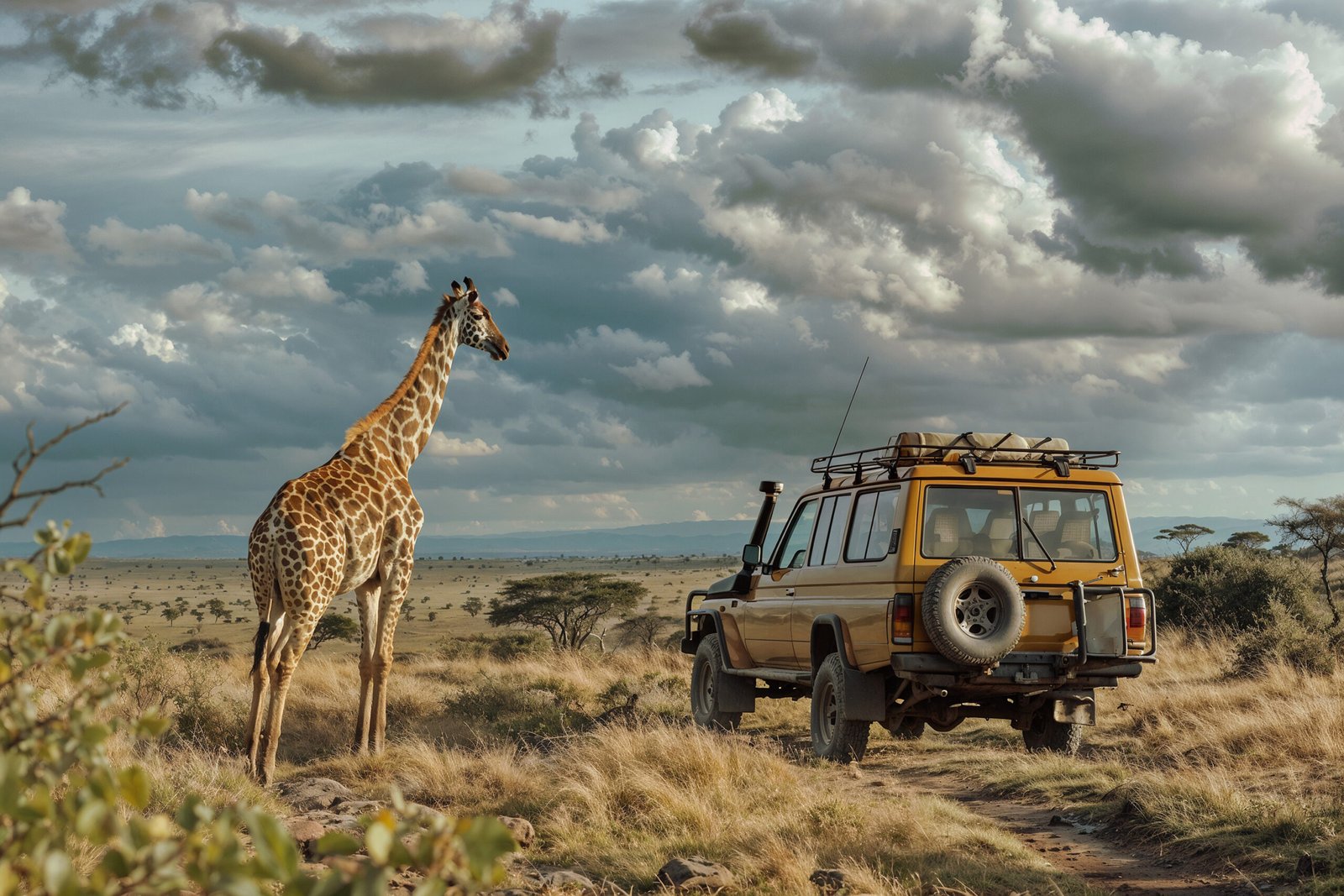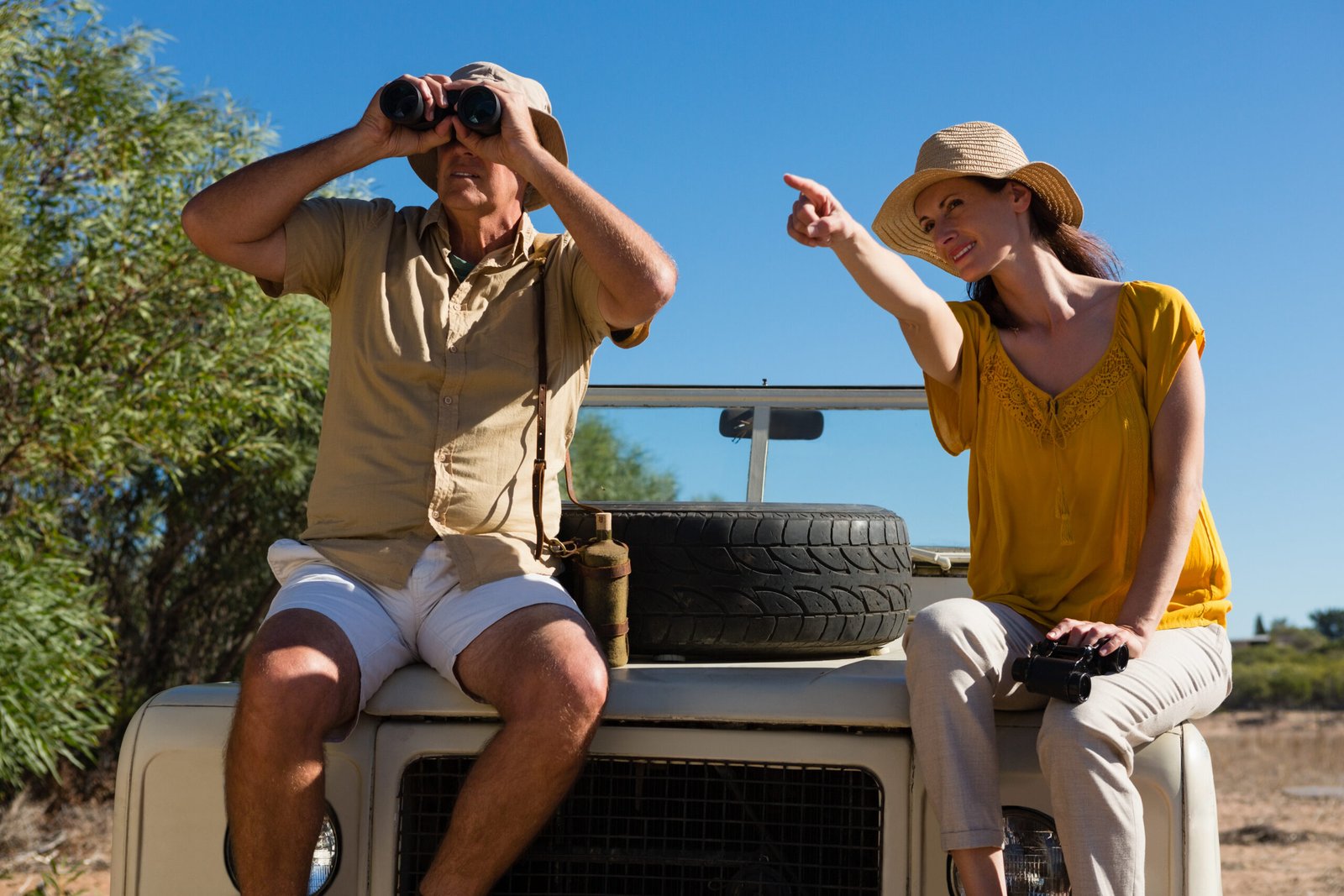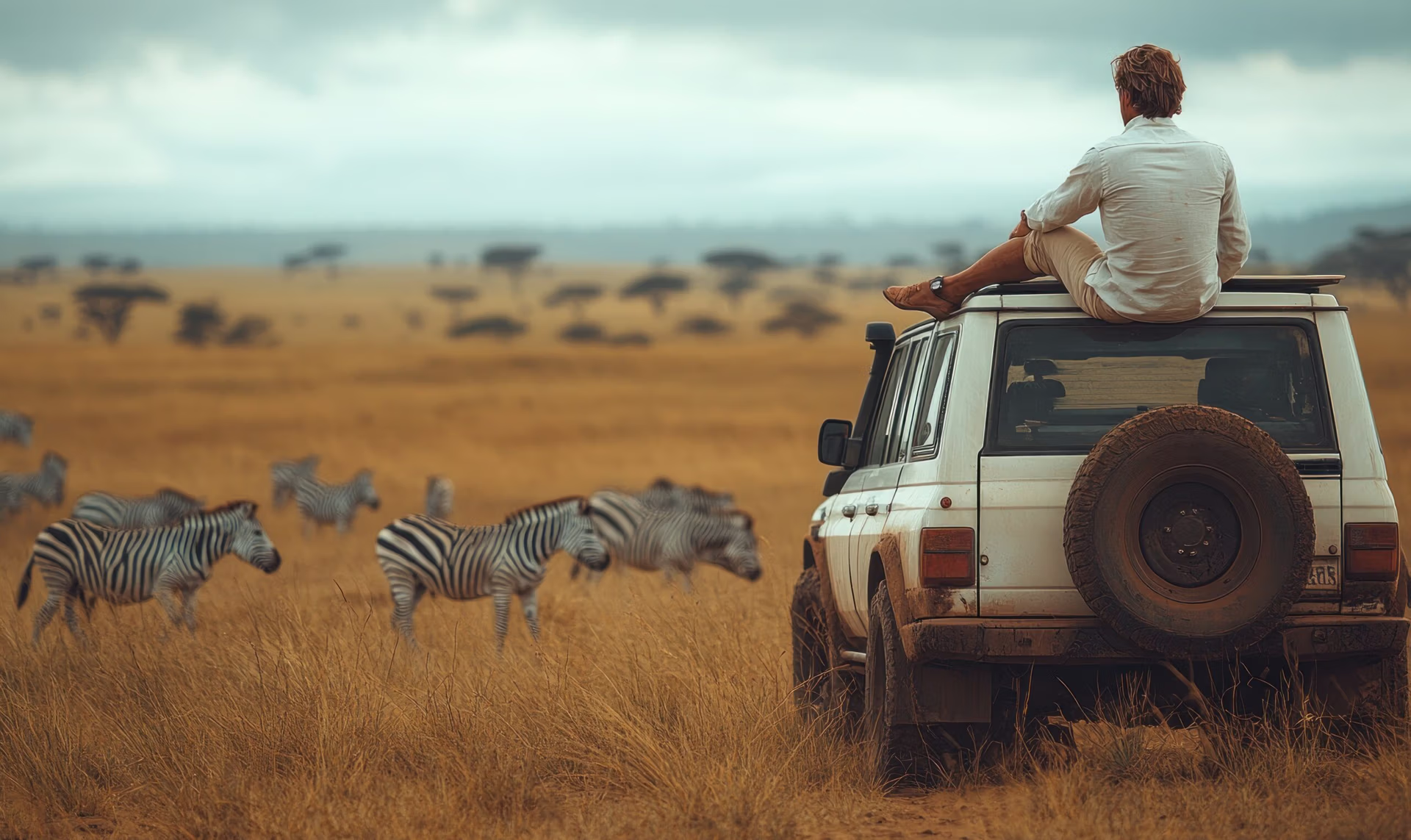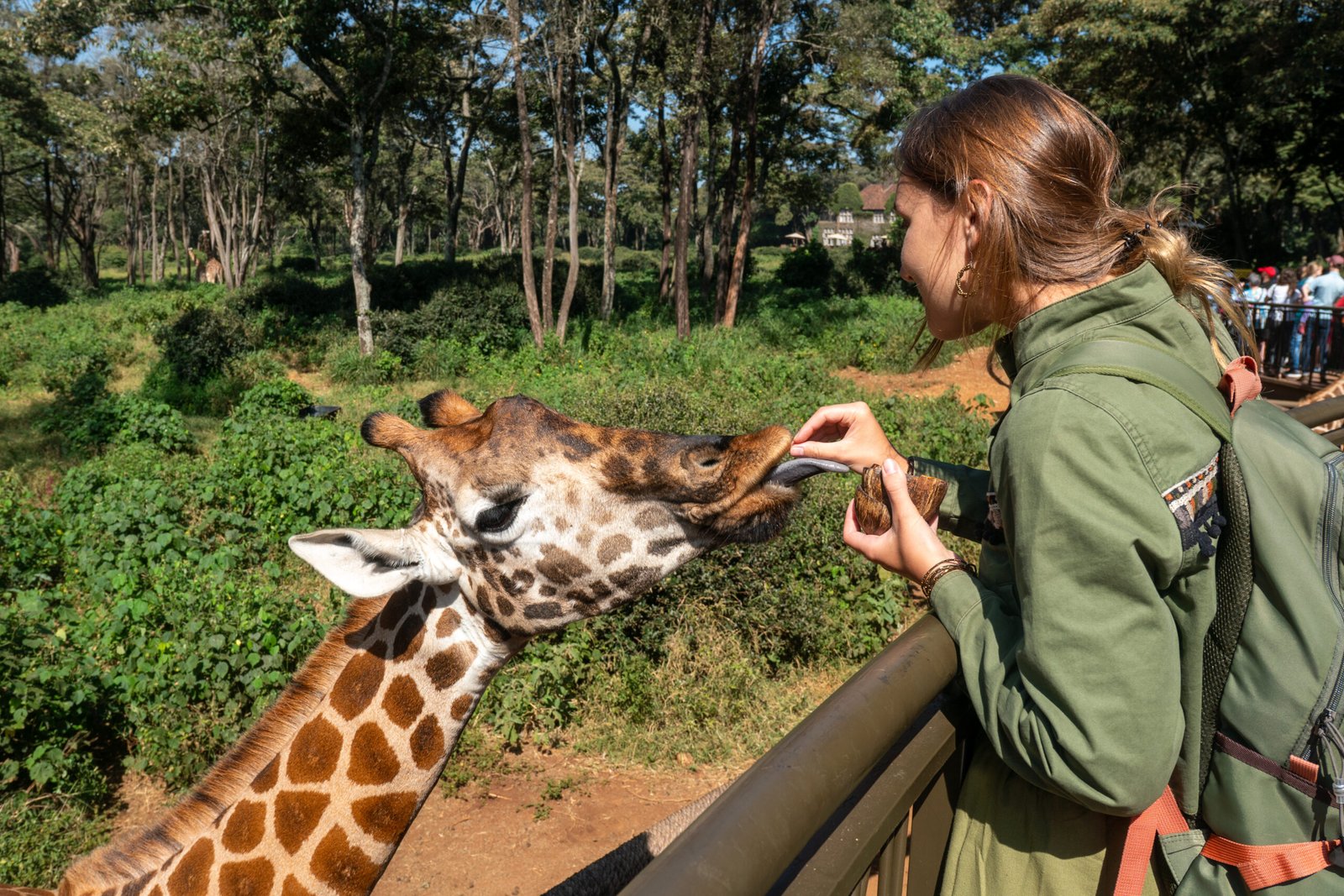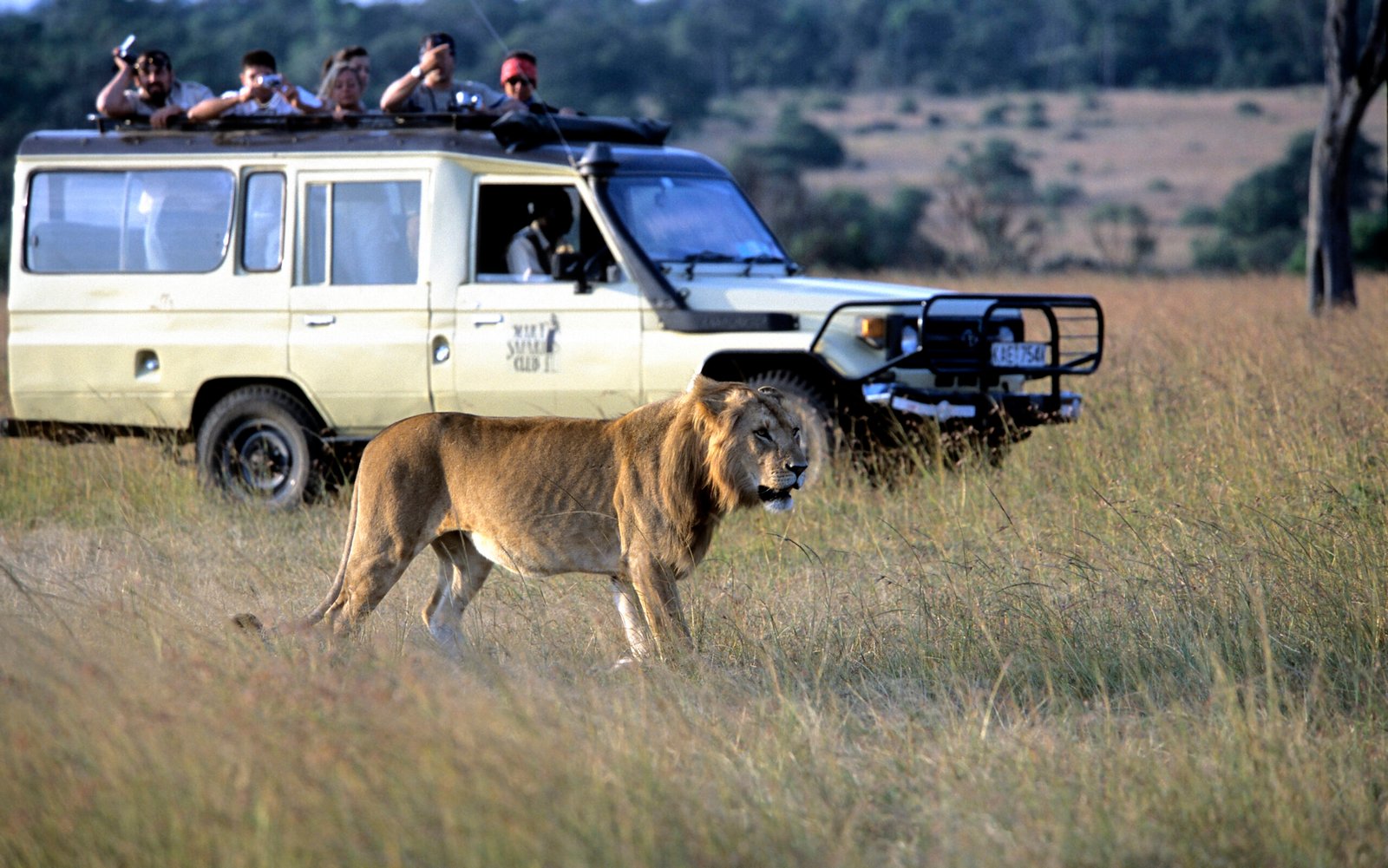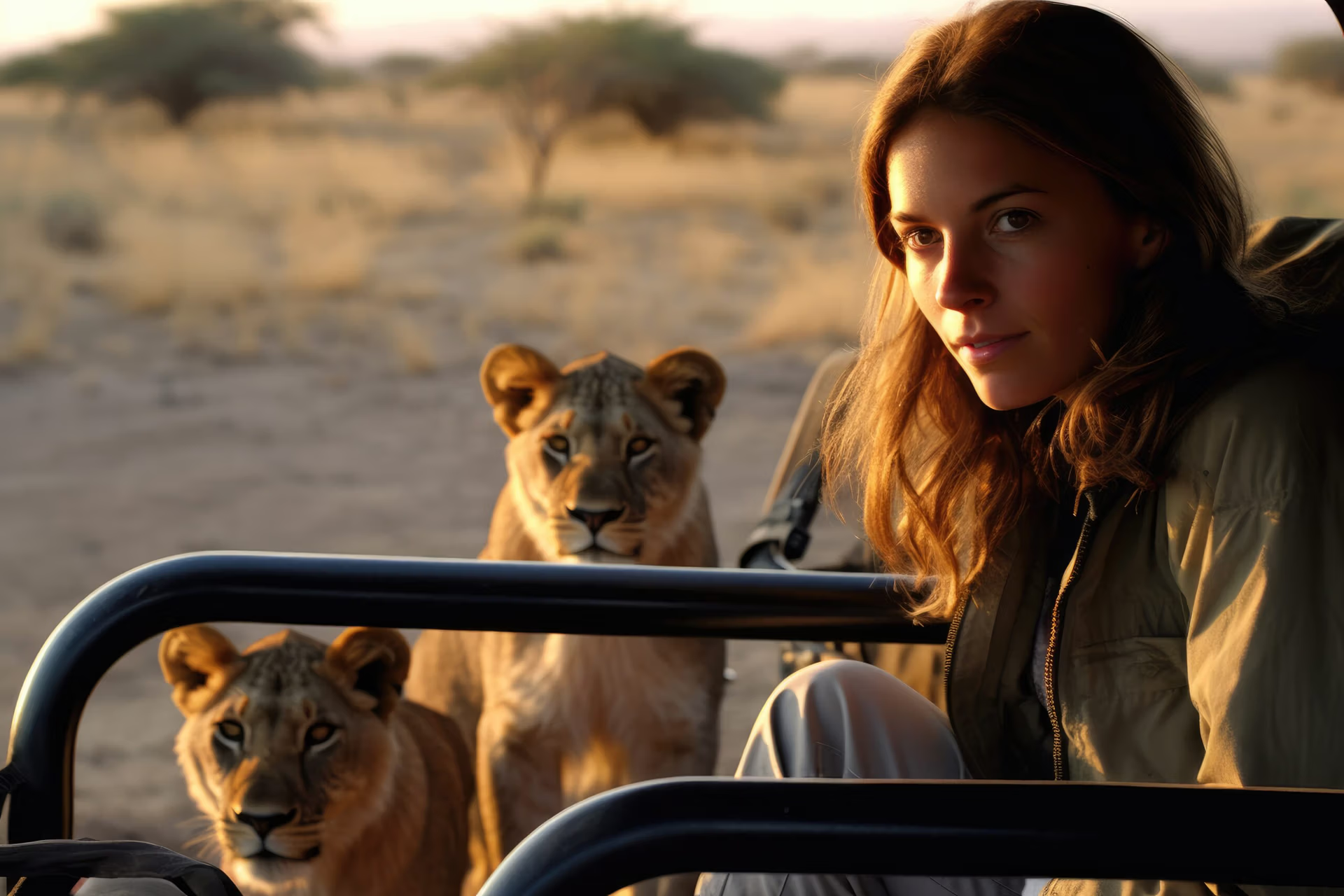

Naboisho Conservancy, officially known as Mara Naboisho Conservancy, is one of the most beautiful and wildlife-rich private conservancies in Kenya’s Greater Maasai Mara ecosystem. Located northeast of the famous Maasai Mara National Reserve, Naboisho Conservancy offers an exceptional African safari experience featuring incredible wildlife encounters, breathtaking savannah landscapes, luxury tented camps, and authentic Maasai cultural experiences. The conservancy is particularly popular among travellers looking for a peaceful and exclusive safari destination away from the large numbers of tourists commonly experienced in some sections of the Maasai Mara National Reserve during peak travel seasons.
Covering approximately 60,000 acres, Naboisho Conservancy is an important wildlife conservation area that supports a wide variety of animals, including lions, leopards, cheetahs, elephants, buffaloes, giraffes, zebras, wildebeest, and numerous antelope species. The conservancy is especially famous for its resident lion populations, making it one of the most rewarding destinations in the Greater Maasai Mara ecosystem for travellers interested in observing Africa’s large predators. Its diverse landscapes, which include open grasslands, acacia woodlands, seasonal streams, and rolling hills, create suitable habitats for wildlife throughout the year.
One of the most distinctive features of Naboisho Conservancy Masai Mara is its commitment to responsible tourism and community-based wildlife conservation. Unlike many traditional safari destinations, the conservancy operates through partnerships between local Maasai landowners and tourism operators. This conservation model helps protect wildlife habitats while providing economic benefits to the communities living around the conservancy. Tourism activities are carefully managed to reduce environmental disturbance and create a more intimate wildlife viewing experience.
For visitors planning a Kenya safari holiday, Naboisho Conservancy offers an opportunity to explore the African wilderness through professionally guided game drives, walking safaris, night game drives, wildlife photography excursions, and cultural experiences. Whether you are planning a luxury Masai Mara safari, a romantic honeymoon, a family wildlife holiday, or an exclusive private safari, Naboisho Conservancy provides a remarkable combination of wildlife, comfort, conservation, and adventure.
Where Is Naboisho Conservancy Located?
Naboisho Conservancy is located in Narok County, southwestern Kenya, within the Greater Maasai Mara ecosystem. The conservancy lies northeast of the Maasai Mara National Reserve and forms part of a network of wildlife conservancies established to protect important wildlife habitats and ecological corridors surrounding the national reserve. Its strategic location allows wildlife to move between protected areas and surrounding landscapes in response to seasonal rainfall, vegetation growth, and the availability of water.
The conservancy is surrounded by beautiful African savannah landscapes characterised by open plains, scattered acacia trees, wooded areas, and seasonal drainage systems. These habitats provide excellent conditions for wildlife viewing, particularly for predators such as lions, leopards, and cheetahs. The surrounding landscape also supports traditional Maasai pastoral communities whose livelihoods have historically depended on livestock grazing and the sustainable use of natural resources.
Travellers visiting Naboisho Conservancy from Nairobi can choose between road transport and domestic flights. The journey by road generally takes approximately five to six hours, depending on traffic, road conditions, and the location of the selected safari camp. Road safaris provide an opportunity to experience Kenya’s countryside, including sections of the Great Rift Valley and the rural landscapes of Narok County.
Alternatively, visitors can travel by scheduled or chartered flight from Nairobi to an appropriate airstrip in the Greater Maasai Mara area. The flight generally takes approximately 45 minutes to one hour, followed by a road transfer to the selected accommodation. Flying safaris are particularly convenient for travellers with limited time or those seeking a more comfortable luxury safari experience.
The location of Naboisho Conservancy also makes it suitable for combined safari itineraries that include the Maasai Mara National Reserve, Olare Motorogi Conservancy, Ol Kinyei Conservancy, and other wildlife destinations within the Greater Maasai Mara ecosystem. Visitors planning to explore multiple conservation areas should confirm the relevant entry fees, access permissions, and accommodation arrangements before travelling.
History of Naboisho Conservancy Masai Mara
Naboisho Conservancy was established in 2010 as part of a broader initiative to protect wildlife habitats and promote sustainable tourism within the Greater Maasai Mara ecosystem. The conservancy was created through collaboration between Maasai landowners, conservation organisations, and responsible safari tourism operators who recognised the importance of protecting the natural environment while supporting local communities.
The name Naboisho comes from the Maa language and means “coming together.” This name reflects the cooperative approach that brought local landowners and conservation partners together to establish a protected wildlife landscape. The conservancy’s formation represented an important development in the management of community-owned land surrounding the Maasai Mara National Reserve.
Before the establishment of Naboisho Conservancy, increasing pressure from land subdivision, expanding settlements, changing livestock grazing patterns, and other land-use activities threatened important wildlife habitats. These challenges were not unique to Naboisho but affected many areas surrounding the Maasai Mara National Reserve. Conservation partnerships were therefore developed to encourage landowners to maintain open landscapes that could support both wildlife conservation and traditional pastoral activities.
Under the conservancy model, participating Maasai landowners retain ownership of their land while entering into agreements that allow conservation and tourism activities to take place. In return, landowners receive lease payments and may benefit from employment, business opportunities, and community development initiatives associated with tourism.
Today, Naboisho Conservancy is widely recognised as an important example of community-based conservation in Kenya. Its management approach demonstrates how wildlife tourism can contribute to habitat protection while providing financial incentives for local communities to conserve their natural resources.
Wildlife in Naboisho Conservancy Masai Mara
Wildlife viewing is one of the main attractions of Naboisho Conservancy. The conservancy is home to an impressive variety of mammals, birds, reptiles, and smaller wildlife species that thrive within its diverse habitats. Its position within the Greater Maasai Mara ecosystem allows animals to move across a wider landscape, making wildlife encounters possible throughout the year.
The conservancy is especially attractive to travellers interested in observing large predators. Lions, leopards, and cheetahs are among the most sought-after animals during game drives, while elephants, buffaloes, giraffes, zebras, wildebeest, and antelopes are also frequently encountered. The abundance of prey animals provides important feeding opportunities for predators and contributes to the ecological balance of the conservancy.
Unlike heavily visited wildlife destinations where several safari vehicles may gather around a single animal sighting, Naboisho Conservancy operates a controlled tourism model designed to reduce vehicle congestion. This creates opportunities for quieter wildlife encounters and allows visitors to spend more time observing animal behaviour without excessive disturbance.
Lions in Naboisho Conservancy
Naboisho Conservancy is particularly famous for its lions and is considered one of the most rewarding areas within the Greater Maasai Mara ecosystem for observing these magnificent predators. The conservancy supports several lion prides that use its grasslands, wooded areas, and seasonal waterways for hunting, resting, and raising their young.
Visitors exploring Naboisho Conservancy may encounter lions resting beneath acacia trees, walking through the grasslands, interacting with members of their prides, or searching for prey. Early morning and late afternoon game drives are especially rewarding because lions are often more active during the cooler parts of the day.
The presence of resident lion prides makes Naboisho Conservancy an attractive destination for wildlife photographers and travellers who want to observe natural predator behaviour. However, lion sightings depend on wildlife movements, weather conditions, and other natural factors, meaning no particular encounter can be guaranteed.
Leopards in Naboisho Conservancy
Leopards are another important attraction in Naboisho Conservancy Masai Mara. These elusive big cats are known for their solitary behaviour, excellent climbing abilities, and preference for habitats that provide sufficient cover. Within the conservancy, leopards may be found in wooded areas, seasonal riverbeds, and landscapes where trees and vegetation provide suitable resting and hunting locations.
Spotting a leopard during a Masai Mara safari is often a memorable experience because these animals are naturally secretive and can be difficult to locate. Experienced safari guides use their understanding of animal behaviour, tracks, and habitat preferences to improve the chances of finding leopards while maintaining responsible wildlife viewing practices.
Cheetahs in Naboisho Conservancy
Cheetahs are among the most fascinating predators found in Naboisho Conservancy. These elegant animals are recognised for their remarkable speed, slender bodies, and preference for open landscapes where they can observe potential prey. The conservancy’s grasslands provide suitable conditions for cheetahs to hunt antelopes and other smaller mammals.
Visitors may occasionally observe cheetahs resting on termite mounds, scanning the surrounding plains, or moving through the grasslands in search of food. Wildlife photographers particularly appreciate cheetah sightings because the open landscapes can provide excellent opportunities for capturing natural animal behaviour.
Elephants in Naboisho Conservancy
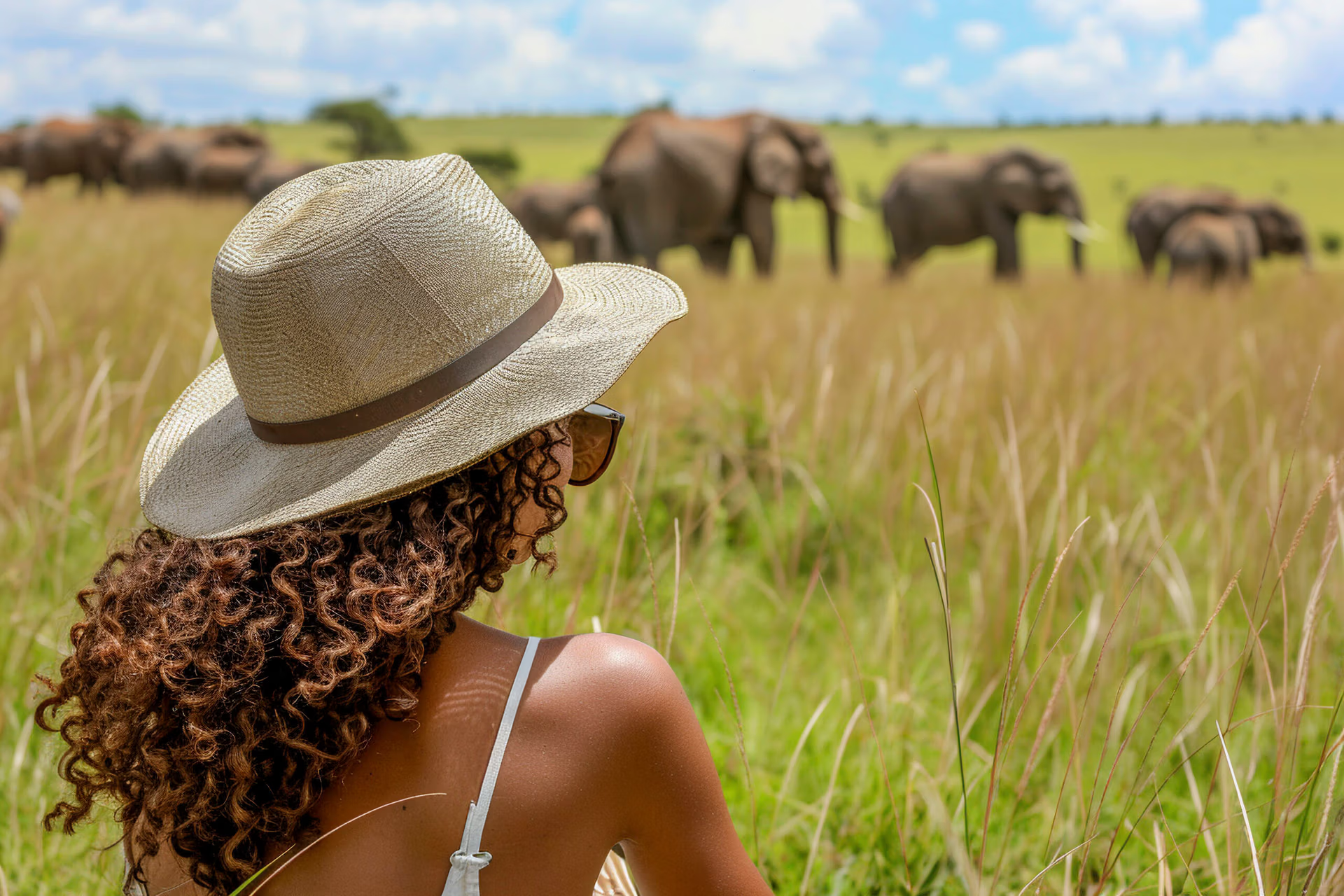
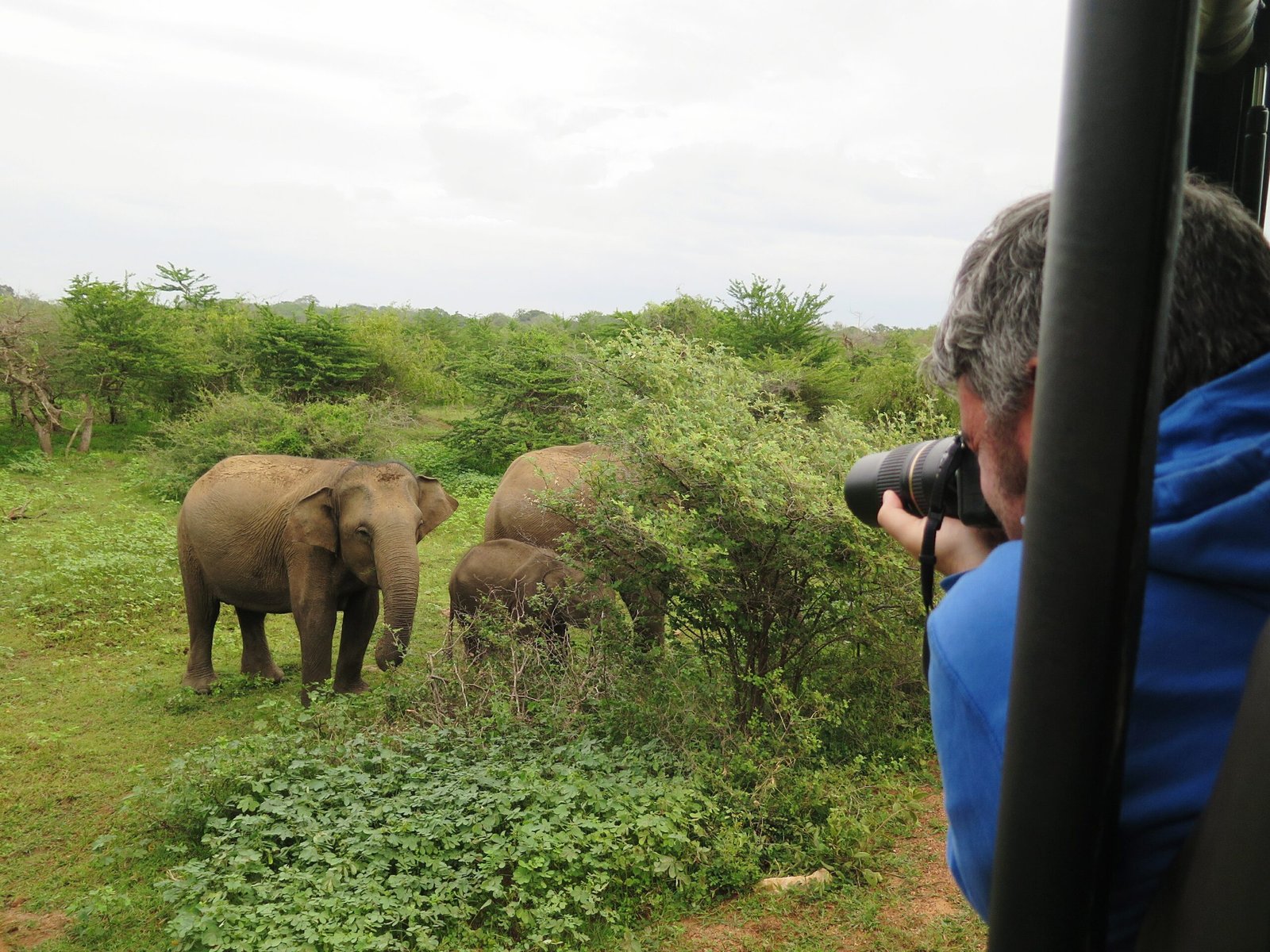
African elephants are another highlight of a Naboisho Conservancy safari. These impressive animals move through the Greater Maasai Mara ecosystem in search of food, water, and suitable habitats. Visitors may encounter family groups feeding on vegetation, walking across open plains, or resting in shaded areas during the warmer parts of the day.
Elephant sightings offer an opportunity to observe the complex social relationships that exist within elephant families. Older females often lead family groups, while younger elephants remain close to their mothers and other members of the herd.
Giraffes, Buffaloes, Zebras and Antelopes
Beyond the large predators and elephants, Naboisho Conservancy supports many other wildlife species that contribute to the richness of the safari experience. Giraffes are commonly associated with wooded savannah habitats where they feed on leaves and branches, while African buffaloes may be encountered grazing in grasslands or resting near water sources.
Zebras, wildebeest, topis, impalas, Thomson’s gazelles, and other antelope species can also be observed across the conservancy. These herbivores play an essential role in maintaining the ecosystem and provide an important food source for predators.
Although Naboisho Conservancy is home to several members of Africa’s famous Big Five, rhinoceros sightings are not a reliable expectation. Travellers specifically interested in seeing all five animals should consider combining Naboisho with other Kenyan wildlife destinations such as Ol Pejeta Conservancy or Lake Nakuru National Park.
Birdwatching in Naboisho Conservancy
Naboisho Conservancy is an excellent destination for birdwatching enthusiasts because its varied habitats support a diverse range of bird species. The combination of grasslands, acacia woodlands, seasonal waterways, and open savannah creates suitable environments for birds of prey, ground-dwelling birds, and numerous smaller species.
Birdwatchers visiting Naboisho Conservancy may encounter secretarybirds, hornbills, vultures, eagles, rollers, weavers, and various other bird species. Raptors are particularly interesting because the open grasslands provide suitable hunting environments, while wooded areas offer nesting and resting locations for many birds.
The rainy seasons can be especially rewarding for birdwatching because vegetation becomes greener, insects become more abundant, and bird activity increases. Some migratory bird species may also be present during suitable periods of the year, adding to the variety of wildlife encounters.
Travellers interested in bird photography should consider spending several days in the conservancy to explore different habitats and take advantage of changing light conditions. A knowledgeable safari guide can help identify bird species and explain their behaviour, feeding habits, and ecological importance.
Things to Do in Naboisho Conservancy Masai Mara
1. Morning and Afternoon Game Drives
Game drives are the most popular activity in Naboisho Conservancy and provide visitors with opportunities to explore the wilderness while searching for wildlife. These excursions are normally conducted in specially designed safari vehicles accompanied by experienced professional guides who understand the conservancy’s landscapes and animal behaviour.
Morning game drives typically begin around sunrise when temperatures are cooler and many animals are active. This is often an excellent time to search for lions, cheetahs, leopards, elephants, and other wildlife. The soft morning light also creates attractive conditions for photography.
Afternoon game drives generally begin later in the day and continue towards sunset. During these excursions, visitors can enjoy beautiful views of the savannah while observing animals returning to activity after the warmer midday hours. The combination of wildlife, changing light, and scenic landscapes makes game drives one of the most rewarding experiences in Naboisho Conservancy.
2. Night Game Drives in Naboisho Conservancy
Night game drives are among the distinctive experiences available in Naboisho Conservancy Masai Mara. Unlike ordinary daytime safaris, night game drives provide opportunities to observe nocturnal wildlife that may be difficult to encounter during daylight hours.
These activities are conducted by authorised safari operators using appropriate lighting and wildlife viewing practices. Visitors may have opportunities to see animals such as genets, bushbabies, aardwolves, and other nocturnal species. Predators may also be active after sunset, although sightings cannot be guaranteed.
Night game drives offer a different perspective on the African wilderness, allowing travellers to experience the sounds, atmosphere, and wildlife activity of the savannah after dark. Availability depends on the safari camp, conservancy regulations, and weather conditions.
3. Guided Walking Safaris
Walking safaris are another exciting activity available through authorised camps in Naboisho Conservancy. Unlike traditional game drives, walking safaris allow visitors to explore selected areas of the wilderness on foot while accompanied by qualified guides and appropriate safety personnel.
During a guided walking safari, travellers can learn about animal tracks, vegetation, insects, birdlife, and the relationships between different species within the ecosystem. Guides may explain how wildlife uses natural resources, how animals communicate, and how local communities have traditionally understood the surrounding environment.
Walking safaris provide an educational and immersive experience that helps visitors appreciate smaller details of the African wilderness that are often overlooked during vehicle-based game drives. Participation is subject to safety requirements, age restrictions, and the operating policies of individual safari camps.
4. Maasai Cultural Experiences
Cultural experiences provide visitors with an opportunity to learn about the traditions, history, and livelihoods of Maasai communities living around Naboisho Conservancy. The Maasai people have maintained a strong cultural relationship with the landscapes of the Greater Maasai Mara for generations, and their participation is central to the conservancy’s management model.
During an appropriately arranged cultural visit, travellers may learn about traditional Maasai homes, livestock keeping, local craftsmanship, community life, and the role of pastoralism in the region. Visitors may also gain a better understanding of how Maasai landowners participate in wildlife conservation and tourism.
Responsible cultural tourism should respect local customs, ensure that participating communities benefit fairly, and obtain permission before taking photographs. When organised thoughtfully, these experiences provide meaningful opportunities for cultural exchange and support local livelihoods.
5. Wildlife Photography Safaris
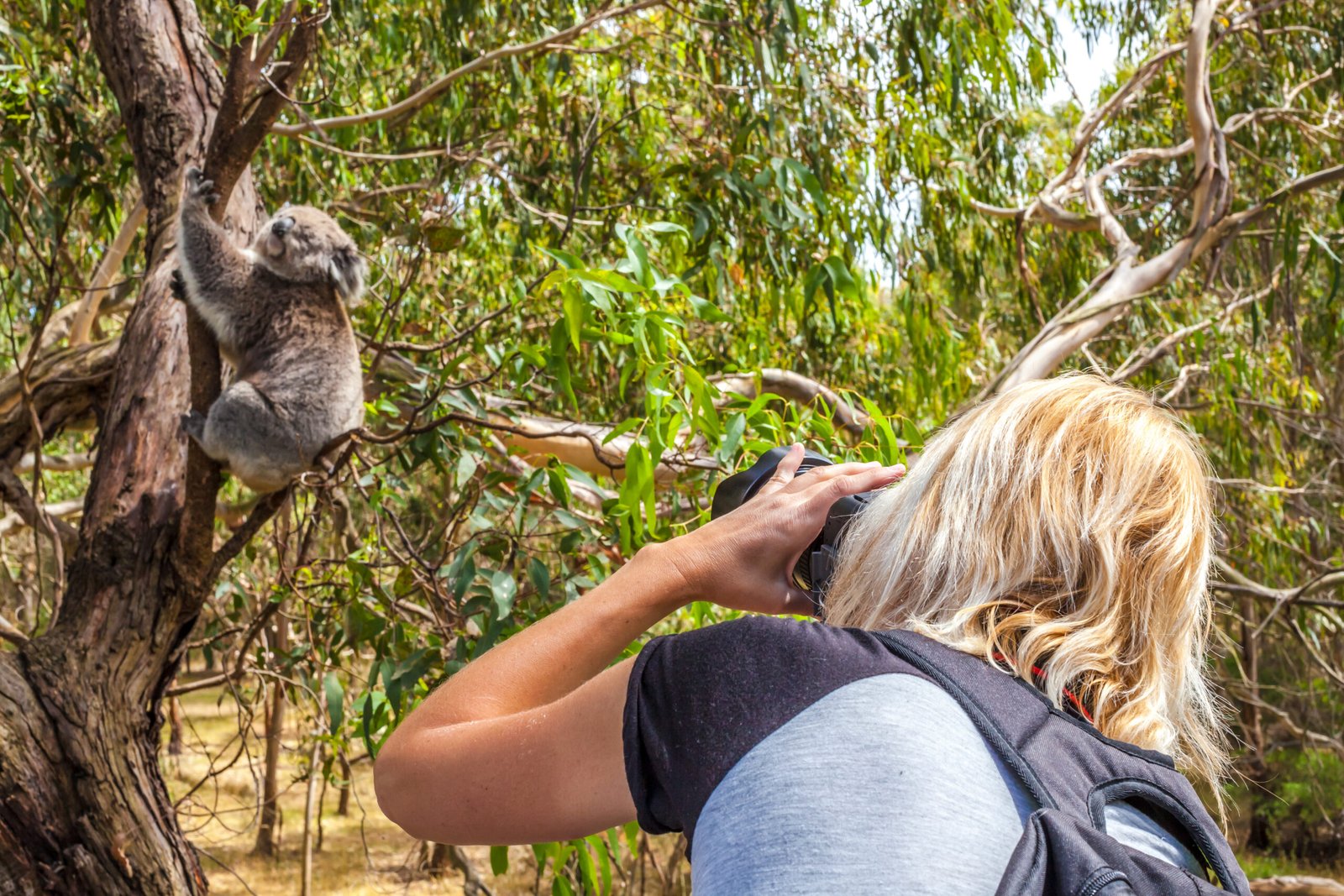
Naboisho Conservancy is an attractive destination for professional and amateur wildlife photographers because of its diverse wildlife, beautiful landscapes, and controlled visitor numbers. The conservancy’s open plains and wooded habitats create opportunities to photograph lions, cheetahs, elephants, giraffes, birds, and many other animals in their natural surroundings.
Photographers can take advantage of early morning and late afternoon lighting conditions to capture dramatic wildlife images. The conservancy’s relatively low-density tourism model may also reduce interruptions caused by large numbers of vehicles gathering around wildlife sightings.
Travellers planning photography-focused safaris may benefit from booking private safari vehicles where available. This allows greater flexibility in selecting photography locations, spending more time at sightings, and adjusting game drive schedules according to lighting conditions and wildlife activity.
6. Bush Breakfasts and Sundowner Experiences
Bush breakfasts and sundowner experiences are popular additions to luxury safari holidays in Naboisho Conservancy. Selected safari camps organise outdoor dining experiences in designated wilderness locations, allowing visitors to enjoy meals or refreshments while surrounded by beautiful African landscapes.
A bush breakfast may be arranged after an early morning game drive, providing an opportunity to enjoy breakfast in a scenic outdoor setting. Sundowner experiences usually take place towards sunset, when the warm evening light creates beautiful views across the savannah.
These experiences are particularly appealing to couples, honeymooners, and travellers celebrating special occasions. Availability, locations, and additional charges vary between safari camps.
Best Time to Visit Naboisho Conservancy Masai Mara
Naboisho Conservancy is a year-round safari destination, but the wildlife viewing experience changes according to seasonal rainfall, vegetation conditions, and animal movements. Understanding these seasonal differences can help travellers choose the most suitable period for their safari holiday.
January to March: Excellent Wildlife Viewing
January to March is generally a warm period with relatively dry conditions across much of the Greater Maasai Mara ecosystem. During these months, vegetation may become shorter in some areas, improving visibility and creating good opportunities for wildlife photography.
Predators such as lions, leopards, and cheetahs remain active throughout the year, and visitors may enjoy rewarding wildlife encounters during morning and afternoon game drives. This period can be particularly attractive to travellers looking for good wildlife viewing outside the busiest migration months.
April to May: Green Season in Naboisho Conservancy
April and May are commonly associated with the long rainy season in the Maasai Mara region. Rainfall transforms the landscape into a lush green environment, creating beautiful scenery and supporting fresh vegetation growth.
The green season can be rewarding for photographers, birdwatchers, and travellers who appreciate dramatic landscapes. However, heavy rainfall may affect road conditions and access to certain areas. Some safari camps may also close temporarily during parts of the rainy season for maintenance or operational reasons.
Travellers considering a safari during these months should confirm accommodation availability and road access before making reservations.
June to October: Popular Safari Season
June to October is one of the most popular periods for visiting Naboisho Conservancy because conditions are generally drier and wildlife viewing can be excellent. As vegetation becomes shorter and water availability changes, animals may become easier to locate in certain areas.
July, August, September, and October are also popular months for travellers visiting the wider Maasai Mara ecosystem to experience the Great Wildebeest Migration. Although the main migration herds and famous river crossings are primarily associated with the Maasai Mara National Reserve, Naboisho remains an excellent destination for resident wildlife viewing.
Travellers planning to visit during this period should book accommodation well in advance because safari camps may experience high demand.
November to December: Short Rains and Beautiful Landscapes
November and December are generally associated with the short rainy season, although rainfall patterns can vary significantly from year to year. The return of rain encourages fresh vegetation growth and creates attractive green landscapes.
Wildlife remains present throughout the conservancy, and birdwatching can be particularly rewarding. This period may appeal to travellers looking for beautiful scenery and a quieter safari atmosphere, depending on holiday travel demand and individual camp occupancy.
Does the Great Wildebeest Migration Pass Through Naboisho Conservancy?
The Great Wildebeest Migration is one of Africa’s most famous wildlife spectacles and a major reason why travellers visit the Maasai Mara ecosystem. Every year, large herds of wildebeest, zebras, and other grazing animals move through the wider Serengeti-Mara ecosystem in response to seasonal rainfall and grazing conditions.
However, it is important to understand that Naboisho Conservancy is not one of the principal locations for the famous Mara River crossings. The main migration spectacle is most closely associated with the Maasai Mara National Reserve and the neighbouring Serengeti ecosystem.
Naboisho Conservancy supports resident wildebeest, zebras, and other grazing animals, and wildlife movements occur throughout the year. Visitors staying in the conservancy can enjoy excellent wildlife viewing even when the main migration herds are elsewhere.
Travellers whose primary goal is to witness the Great Wildebeest Migration should consider combining a stay in Naboisho Conservancy with game drives in the Maasai Mara National Reserve. This combination allows visitors to enjoy the exclusivity of a private conservancy while exploring the areas more closely associated with migration activity.
Because the migration is a natural wildlife phenomenon, the timing and location of animal movements vary according to rainfall and environmental conditions. River crossings cannot be guaranteed on any specific date.
Accommodation in Naboisho Conservancy Masai Mara
Naboisho Conservancy offers a selection of safari camps designed to provide comfortable accommodation while maintaining a close connection with the natural environment. Many camps focus on personalised service, responsible tourism, and intimate wildlife experiences rather than large-scale accommodation facilities.
Kicheche Valley Naboisho
Kicheche Valley Naboisho is an intimate safari camp located within Naboisho Conservancy. The camp is known for its peaceful setting, comfortable tented accommodation, and strong focus on wildlife experiences. Its small size creates a personalised atmosphere that appeals to photographers, couples, and travellers seeking a quiet safari holiday.
Guests staying at Kicheche Valley can enjoy professionally guided game drives and other activities offered under the camp’s operating arrangements. The surrounding landscape provides opportunities to observe wildlife while experiencing the natural beauty of the Greater Maasai Mara ecosystem.
Mara Nyika Camp
Mara Nyika Camp is a luxury safari property offering an exclusive accommodation experience in Naboisho Conservancy. The camp is designed to combine high-end comfort with a strong connection to the African wilderness.
Accommodation features spacious tented suites and carefully designed guest facilities that complement the surrounding environment. Mara Nyika is particularly suitable for honeymooners, couples, and luxury travellers looking for personalised service and memorable wildlife encounters.
Naboisho Camp
Naboisho Camp offers an authentic tented safari experience within the conservancy. The camp provides comfortable accommodation and access to wildlife viewing activities led by knowledgeable guides.
Visitors staying at Naboisho Camp can enjoy the atmosphere of the African wilderness while exploring the surrounding grasslands and wooded habitats. The camp is suitable for travellers seeking a balance between comfort, wildlife viewing, and conservation-focused tourism.
Saruni Eagle View
Saruni Eagle View is known for its scenic position overlooking the landscapes of Naboisho Conservancy. Its location provides attractive views across the savannah and creates a peaceful setting for guests interested in wildlife and nature.
The camp offers an intimate safari atmosphere and opportunities to explore the conservancy through guided wildlife activities. It is particularly appealing to travellers who value beautiful scenery, comfortable accommodation, and a close connection with the natural environment.
Other Safari Camps in Naboisho Conservancy
Additional accommodation options associated with Naboisho Conservancy include Encounter Mara, Basecamp Wilderness, Porini Mara Camp, and Saruni Leopard Hill. These camps offer different accommodation styles, safari activities, and levels of comfort.
When choosing accommodation in Naboisho Conservancy, travellers should consider the camp’s location, room facilities, game drive arrangements, conservation fees, meal plans, and available activities. Accommodation availability and operating arrangements should always be confirmed before booking.
Naboisho Conservancy Fees and Safari Costs
The cost of visiting Naboisho Conservancy depends on several factors, including the time of year, accommodation category, number of nights, transport arrangements, and activities included in the safari package. Because the conservancy operates through authorised safari camps and tourism partners, visitors generally arrange their stays through participating accommodation providers rather than purchasing ordinary day-entry tickets.
Conservancy fees help support wildlife protection, land lease payments to participating Maasai landowners, habitat management, and other conservation activities. These fees are an important part of the conservancy’s community-based tourism model.
Luxury safari packages may include accommodation, meals, professionally guided game drives, conservancy fees, and selected activities. However, inclusions vary between camps, and some experiences may require additional payments.
Travellers planning a Naboisho Conservancy safari should request a detailed quotation showing accommodation costs, conservation fees, transport charges, meals, and activities. It is also important to confirm whether the package includes airport transfers, domestic flights, private game drives, and excursions to the Maasai Mara National Reserve.
For visitors seeking the best value, comparing the complete safari experience is more useful than considering accommodation prices alone. A safari package that includes several guided activities and conservation fees may provide better overall value than a lower-priced package with numerous additional charges.
Naboisho Conservancy vs Maasai Mara National Reserve
Naboisho Conservancy and the Maasai Mara National Reserve are both outstanding wildlife destinations, but they offer different safari experiences. Understanding these differences can help travellers choose the destination that best matches their interests and expectations.
The Maasai Mara National Reserve is internationally famous for its abundant wildlife, vast grasslands, and spectacular Great Wildebeest Migration. It attracts visitors from around the world and offers opportunities to observe lions, elephants, leopards, buffaloes, cheetahs, and many other animals. During peak travel periods, however, popular wildlife viewing areas may become busy with safari vehicles.
Naboisho Conservancy offers a quieter alternative through its controlled tourism model and limited accommodation capacity. Visitors can enjoy wildlife viewing in a less crowded environment while participating in activities such as authorised night game drives and guided walking safaris.
Another important difference is the accommodation structure. The Maasai Mara National Reserve and its surrounding areas provide a broad selection of accommodation options, ranging from budget camps to luxury lodges. Naboisho Conservancy primarily operates through selected safari camps that participate in its conservation and tourism framework.
For travellers interested in the Great Wildebeest Migration, the Maasai Mara National Reserve is generally the more suitable destination for viewing the famous Mara River crossings. However, visitors who prioritise exclusive wildlife encounters, night game drives, walking safaris, and responsible tourism may find Naboisho Conservancy particularly rewarding.
Combining both destinations in one safari itinerary provides an opportunity to experience the advantages of each location.
Importance of Naboisho Conservancy to Wildlife Conservation
Naboisho Conservancy plays an important role in protecting wildlife habitats within the Greater Maasai Mara ecosystem. The conservancy helps maintain open landscapes that allow animals to move between different habitats in search of food, water, and suitable breeding areas.
Wildlife corridors are particularly important in ecosystems such as the Maasai Mara, where animals depend on access to large landscapes rather than isolated protected areas. Land subdivision, fencing, expanding settlements, and other forms of development can restrict wildlife movement and increase pressure on natural habitats.
Through its conservation agreements, Naboisho Conservancy encourages participating landowners to maintain land uses that support wildlife conservation. The conservancy also promotes responsible livestock grazing practices that recognise the importance of pastoral livelihoods while reducing pressure on sensitive habitats.
Conservation activities may include wildlife monitoring, habitat protection, ecological research, and cooperation with surrounding communities. These initiatives help strengthen the long-term protection of wildlife populations and the landscapes on which they depend.
How Naboisho Conservancy Benefits Local Maasai Communities
Community participation is one of the most important foundations of Naboisho Conservancy. The conservancy operates through partnerships with Maasai landowners who retain ownership of their land while participating in conservation agreements.
Through these arrangements, landowners receive lease payments that provide income linked to wildlife conservation and responsible tourism. This creates a financial incentive to maintain natural habitats rather than converting land entirely to other uses.
Tourism also generates employment opportunities for local residents. Safari camps and conservation organisations may employ Maasai community members as professional guides, wildlife rangers, hospitality staff, drivers, and support personnel.
In addition to employment, tourism can support local businesses that provide goods and services to safari camps. Cultural experiences, local craftsmanship, and other community-based activities may create further opportunities for income generation.
The relationship between tourism and community livelihoods demonstrates how conservation can contribute to local economic development. However, the long-term success of this model depends on fair benefit distribution, transparent management, community participation, and continued protection of the natural environment.
Is Naboisho Conservancy Suitable for Luxury Safaris?
Naboisho Conservancy is one of the attractive destinations for luxury safaris in the Greater Maasai Mara ecosystem. Its combination of beautiful landscapes, excellent wildlife viewing, intimate safari camps, and controlled visitor numbers creates a suitable environment for travellers seeking a premium African safari experience.
Luxury safari camps in Naboisho typically focus on personalised hospitality, comfortable accommodation, professional guiding, and carefully organised wildlife activities. Depending on the camp, guests may enjoy spacious tented suites, private dining arrangements, scenic views, and additional experiences such as bush breakfasts or sundowners.
The conservancy is particularly suitable for honeymooners and couples who want a romantic safari atmosphere. The peaceful environment, beautiful sunsets, and opportunities for private wildlife experiences make it an appealing destination for special occasions.
Families and small groups can also enjoy luxury safari experiences in Naboisho, although accommodation arrangements and age restrictions should be confirmed in advance. Travellers seeking maximum flexibility may prefer packages that include private safari vehicles and personalised activity schedules.
Is Naboisho Conservancy Good for Family Safaris?
Naboisho Conservancy can be an excellent destination for families interested in wildlife, nature, and educational travel experiences. The conservancy provides opportunities for children and adults to learn about African wildlife, conservation, and Maasai culture in a natural environment.
Family game drives allow visitors to observe elephants, giraffes, zebras, lions, and other animals while learning about their behaviour and habitats from professional guides. These experiences can help younger travellers develop a greater appreciation for wildlife conservation and environmental protection.
Some safari camps offer family accommodation or special arrangements for parents travelling with children. However, minimum age requirements may apply to certain activities, particularly guided walking safaris.
Families planning a Naboisho Conservancy safari should confirm the suitability of their chosen camp, available family rooms, meal arrangements, activity restrictions, and whether a private safari vehicle would be beneficial.
How Many Days Should You Spend in Naboisho Conservancy?
The ideal duration for a Naboisho Conservancy safari depends on your wildlife interests, available travel time, and overall Kenya safari itinerary. For most travellers, spending three to four days in the conservancy provides a rewarding introduction to its wildlife, landscapes, and activities.
A three-day safari generally allows time for several morning and afternoon game drives, relaxation at the camp, and selected additional activities. This duration can be suitable for travellers combining Naboisho with other destinations in Kenya.
A four-day safari provides greater flexibility for wildlife viewing and additional experiences such as guided walking safaris, cultural visits, and night game drives. Spending more time in the conservancy also increases the opportunity to explore different habitats and observe changing wildlife behaviour.
Wildlife photographers and travellers with a particular interest in predators may prefer longer stays of five days or more. Extended stays allow more time to follow wildlife activity without rushing between destinations.
For travellers planning a broader Kenya safari holiday, Naboisho Conservancy can be combined with the Maasai Mara National Reserve, Lake Nakuru National Park, Amboseli National Park, or other leading wildlife destinations.
Suggested 4-Day Naboisho Conservancy Safari Itinerary
Day 1: Nairobi to Naboisho Conservancy
Your Naboisho Conservancy safari begins with a morning departure from Nairobi towards the Greater Maasai Mara ecosystem. Travellers using road transport will pass through sections of Kenya’s countryside, enjoying scenic views of the Great Rift Valley and the landscapes of Narok County before continuing towards the conservancy.
Upon arrival at your selected safari camp, you will be welcomed by the camp team and assisted with check-in. Depending on your arrival time, lunch may be served before you have an opportunity to relax and enjoy the surrounding wilderness.
Later in the afternoon, depart for your first guided game drive in Naboisho Conservancy. Explore the grasslands and wooded habitats while searching for lions, elephants, giraffes, zebras, and other wildlife. Return to camp in the evening for dinner and overnight accommodation.
Day 2: Full-Day Wildlife Experience in Naboisho Conservancy
Begin your second day with an early morning game drive, one of the best opportunities to observe wildlife activity in the conservancy. Your professional safari guide will explore suitable habitats while searching for predators and other animals.
The morning game drive may provide opportunities to encounter lions, cheetahs, elephants, buffaloes, and various antelope species. Wildlife sightings depend on natural animal movements and environmental conditions.
Return to camp for breakfast and spend the middle part of the day relaxing, enjoying the scenery, or observing wildlife and birdlife around the camp where safe.
In the afternoon, depart for another guided game drive through a different section of the conservancy. Depending on your accommodation package, you may also participate in an authorised night game drive to observe nocturnal wildlife before returning to camp for dinner.
Day 3: Guided Walking Safari and Maasai Cultural Experience
After breakfast, enjoy a guided walking safari where available and permitted. Accompanied by qualified guides, explore selected areas of the conservancy while learning about animal tracks, vegetation, birdlife, and the smaller details of the African wilderness.
Return to camp for lunch and relaxation before participating in an optional cultural experience with a participating Maasai community. This visit provides an opportunity to learn about Maasai traditions, pastoral livelihoods, and the role of local communities in wildlife conservation.
Later in the afternoon, enjoy another game drive or a sundowner experience arranged by your safari camp. Spend the evening relaxing and reflecting on your wildlife encounters before dinner and overnight accommodation.
Day 4: Naboisho Conservancy to Nairobi
Your final day begins with breakfast at the safari camp and an opportunity to enjoy the peaceful atmosphere of the African wilderness. Depending on your departure arrangements, there may be time for a final wildlife viewing activity before checking out.
Travellers returning to Nairobi by road will depart the conservancy and travel through the scenic countryside towards the capital. Those using domestic flights will be transferred to the appropriate airstrip for their scheduled departure.
The safari concludes upon arrival in Nairobi or at your agreed transfer destination.
Frequently Asked Questions About Naboisho Conservancy Masai Mara
Is Naboisho Conservancy Part of the Maasai Mara?
Yes, Naboisho Conservancy is part of the Greater Maasai Mara ecosystem in southwestern Kenya. However, it is managed separately from the Maasai Mara National Reserve through a community-based conservation partnership involving Maasai landowners and tourism operators. The conservancy helps protect wildlife habitats while providing opportunities for responsible safari tourism.
Is Naboisho Conservancy Worth Visiting?
Naboisho Conservancy is worth visiting for travellers seeking excellent wildlife viewing, beautiful savannah landscapes, and a quieter safari atmosphere. Its controlled tourism model, resident predator populations, luxury tented camps, and opportunities for walking safaris and night game drives make it an attractive destination for wildlife enthusiasts, photographers, honeymooners, and families.
What Animals Can You See in Naboisho Conservancy?
Visitors to Naboisho Conservancy may encounter lions, leopards, cheetahs, elephants, buffaloes, giraffes, zebras, wildebeest, topis, impalas, gazelles, warthogs, and numerous bird species. The conservancy is especially well known for its predators, although sightings depend on wildlife movements and environmental conditions.
Can You See the Big Five in Naboisho Conservancy?
Naboisho Conservancy provides opportunities to see lions, leopards, elephants, and African buffaloes. However, rhinoceroses are not a reliable sighting in the conservancy. Travellers hoping to see all members of the Big Five should consider combining Naboisho with another Kenyan wildlife destination where rhinoceroses are more regularly observed.
Are Night Game Drives Allowed in Naboisho Conservancy?
Yes, authorised night game drives are available through participating safari camps in Naboisho Conservancy. These excursions provide opportunities to observe nocturnal wildlife and experience the African wilderness after sunset. Activities are subject to conservancy regulations, camp arrangements, and safety requirements.
Can You Visit Naboisho Conservancy Without Staying Overnight?
Naboisho Conservancy does not operate as a general day-visit destination. Visitors normally need to arrange accommodation through one of the participating safari camps. Travellers should confirm current access requirements and booking arrangements before planning their visit.
What Is the Best Month to Visit Naboisho Conservancy?
Naboisho Conservancy offers rewarding wildlife viewing throughout the year, although July to October is particularly popular because conditions are generally drier. January to March can also provide excellent safari experiences, while the rainy seasons offer greener landscapes and attractive birdwatching opportunities.
Does the Great Migration Pass Through Naboisho Conservancy?
The main Great Wildebeest Migration herds and famous Mara River crossings are primarily associated with the Maasai Mara National Reserve rather than Naboisho Conservancy. However, Naboisho supports resident wildebeest, zebras, and other wildlife throughout the year. Visitors interested in the migration can combine a Naboisho stay with a visit to the national reserve.
How Far Is Naboisho Conservancy From Nairobi?
Naboisho Conservancy is generally around five to six hours from Nairobi by road, depending on traffic, road conditions, and the selected safari camp. Travellers can also use scheduled or chartered flights to an appropriate airstrip in the Greater Maasai Mara area, followed by a transfer to their accommodation.
How Many Days Are Enough for Naboisho Conservancy?
Three to four days is a suitable duration for many visitors to Naboisho Conservancy. This allows time for multiple game drives, relaxation, and optional activities such as walking safaris, cultural experiences, and night game drives. Wildlife photographers and travellers seeking a slower safari experience may prefer longer stays.
Why Choose Naboisho Conservancy for Your Masai Mara Safari?
Naboisho Conservancy stands out as one of the most rewarding destinations for travellers seeking a more exclusive and conservation-focused safari experience in Kenya. Its impressive predator populations, beautiful landscapes, intimate safari camps, and commitment to community-based conservation create an environment where visitors can enjoy wildlife while supporting the protection of natural habitats.
The conservancy offers a different perspective on the traditional Masai Mara safari experience by combining excellent wildlife viewing with activities that are not widely available in the Maasai Mara National Reserve. Guided walking safaris, authorised night game drives, cultural experiences, and carefully managed tourism contribute to its appeal.
For travellers interested in luxury accommodation, Naboisho Conservancy provides a selection of comfortable tented safari camps designed to offer personalised hospitality and a close connection with nature. Its peaceful atmosphere also makes it suitable for honeymooners, couples, families, and wildlife photographers.
Perhaps most importantly, visiting Naboisho Conservancy contributes to a conservation model that recognises the role of local Maasai communities in protecting wildlife and maintaining the ecological health of the Greater Maasai Mara ecosystem.
Plan Your Naboisho Conservancy Safari with Ravina Tours and Travels
Experience the beauty of Naboisho Conservancy Masai Mara with a carefully planned Kenya safari designed around your interests, travel dates, and accommodation preferences. Whether you are looking for a luxury Masai Mara safari, a private wildlife adventure, a honeymoon safari, or a combined Kenya safari package, Ravina Tours and Travels can help you explore suitable itineraries and accommodation options.
A well-planned Naboisho Conservancy safari can include comfortable tented accommodation, professionally guided wildlife experiences, conservation fees, transport arrangements, and additional activities according to your selected package.
Travellers can also combine Naboisho Conservancy with the Maasai Mara National Reserve, Amboseli National Park, Lake Nakuru National Park, and other remarkable destinations to create a more comprehensive Kenya safari holiday.
Book your Naboisho Conservancy Masai Mara safari with Ravina Tours and Travels and discover the extraordinary wildlife, natural beauty, and conservation heritage of Kenya’s Greater Maasai Mara ecosystem.