
The Masai Mara is one of Kenya’s most popular safari destinations and welcomes travelers from around the world each year. For most visitors, traveling to the Masai Mara is a well-organized and enjoyable experience when normal travel and wildlife safety guidelines are followed. Safari lodges, camps, professional guides, tour operators, conservancies, and reserve authorities all play important roles in maintaining visitor safety.
However, the Masai Mara is a wilderness destination, so it is important to understand that a safari is different from an ordinary city holiday. Visitors are traveling through a natural environment where wild animals move freely. Road conditions, weather, wildlife behavior, and remote locations are all factors that should be considered when planning a trip.
This guide explains the main safety considerations for visiting the Masai Mara, including wildlife safety, transportation, accommodation, health precautions, personal security, family travel, and practical tips for enjoying a safe safari.
Is Masai Mara Safe for Tourists?
For tourists traveling with a reputable safari operator and following the instructions of their professional guide, the Masai Mara can be a safe destination to visit.
Most safari activities are conducted with experienced drivers and guides who understand the reserve, wildlife behavior, roads, weather conditions, and local procedures. Visitors are normally transported in safari vehicles rather than walking independently through areas where dangerous wildlife may be present.
The most important principle is to listen carefully to your guide. Your guide understands the environment and can advise you about when it is safe to leave the vehicle, where you can walk, and how close the vehicle should be to wildlife.
Visitors should never assume that an animal is harmless simply because it appears calm.
Is It Safe to See Wild Animals in Masai Mara?
Wildlife is one of the main reasons people visit the Masai Mara, but it is also the most important safety consideration.
Animals such as lions, elephants, buffaloes, leopards, hippos, and crocodiles are wild animals. They are not domesticated and should always be treated with caution.
During game drives, visitors generally remain inside safari vehicles. Guides position vehicles at appropriate distances and monitor animal behavior.
You should never attempt to approach, touch, feed, chase, or provoke wildlife.
Even animals that appear peaceful can react unexpectedly if they feel threatened, surprised, or cornered.
Is It Safe to Get Out of the Safari Vehicle?
Getting out of a safari vehicle should only happen in designated areas and when your guide confirms that it is safe.
The Masai Mara is home to predators and large herbivores, so walking outside the vehicle without professional guidance can create unnecessary risks.
Many camps and lodges have specific walking procedures. Guests may be accompanied by staff when moving around the property after dark, particularly where wildlife can pass through the camp.
Always follow the instructions provided by your accommodation and safari guide.
Is Masai Mara Safe for Families With Children?
Families can visit the Masai Mara, but children should receive clear safety instructions before the safari begins.
Children should understand that wild animals are not pets and should not be approached. They should remain close to parents or guardians and follow the guide’s instructions.
Parents should also check the age requirements of their chosen camp or lodge because some properties have minimum age restrictions for certain activities.
For families with young children, a private safari vehicle can provide additional flexibility because the itinerary can be adjusted around the family’s needs.
Is It Safe to Stay in Masai Mara Camps and Lodges?
Safari lodges and camps in the Masai Mara have established procedures for guest safety.
Because many properties are located within or close to wildlife areas, guests should follow accommodation rules carefully.
Depending on the property, you may be advised not to walk alone between your tent, room, dining area, or other facilities after dark. Staff may provide an escort when needed.
Guests should also keep tent or room doors closed as instructed and avoid leaving food outside.
The fact that wildlife can occasionally move near accommodation is part of the safari experience, which is why camp safety procedures are important.
Is It Safe to Travel Around Masai Mara?
Most visitors explore the Masai Mara using safari vehicles operated by professional drivers and guides.
The roads inside the reserve and surrounding areas can be uneven, dusty, muddy, or rough depending on the season. During heavy rainfall, some roads can become challenging.
Professional safari drivers are familiar with local conditions and can select appropriate routes based on weather and road conditions.
Travelers should therefore choose an experienced safari company rather than attempting to navigate unfamiliar wilderness roads independently.
Is Driving to Masai Mara Safe?
Traveling to the Masai Mara by road is a common part of a Kenya safari.
The journey from Nairobi can take several hours depending on the route, road conditions, traffic, stops, and final destination within the Mara ecosystem.
Travelers should expect some sections of the journey to involve rough or unpaved roads.
A reputable safari company should use an appropriate safari vehicle and an experienced driver who understands the route.
Travelers who prefer to reduce long road journeys can also consider flying from Nairobi or another safari destination to one of the airstrips serving the Mara region.
Is Flying to Masai Mara Safe?
Flying is another common way of reaching the Masai Mara.
Scheduled and charter safari flights connect Nairobi and other destinations with airstrips in the Mara region.
Flying can significantly reduce travel time and is particularly useful for travelers with limited time or those combining the Masai Mara with other destinations.
As with any flight, travelers should use established aviation operators and follow airline instructions regarding luggage, check-in, and flight procedures.
Is Masai Mara Safe During the Great Migration?
The Great Migration is one of the biggest attractions in the Masai Mara, but large concentrations of wildlife require visitors to follow their guides’ instructions carefully.
When large herds of wildebeest and zebras gather around the Mara River, conditions can become particularly active. Crocodiles may be present in the river, while large numbers of animals can move quickly and unpredictably.
Visitors should never attempt to enter the river or approach a wildlife crossing independently.
River crossings are natural events and can also be unpredictable. The safest way to observe them is from a safari vehicle and under the direction of an experienced guide.
Are Lions Dangerous in Masai Mara?
Lions are among the most famous animals in the Masai Mara.
During a game drive, visitors may see lions resting, hunting, feeding, or interacting with their pride.
Although lions may appear relaxed around safari vehicles, visitors should remember that they are wild predators.
Do not make sudden movements, shout at lions, attempt to attract their attention, or leave the vehicle without permission.
Safari vehicles provide an important layer of separation between visitors and wildlife, but responsible behavior remains essential.
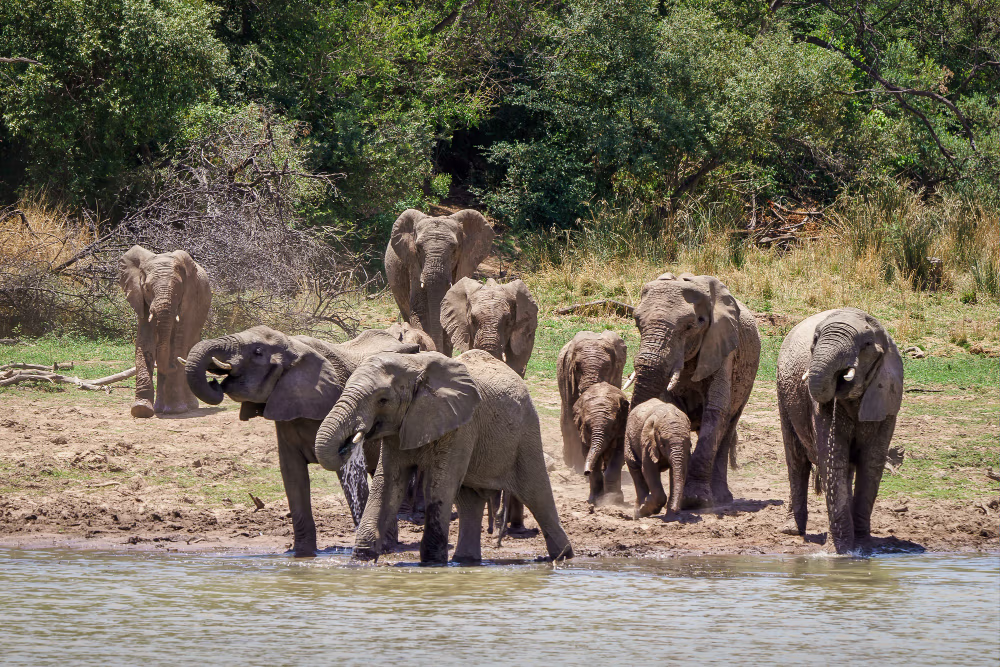
Are Elephants Dangerous in Masai Mara?
Elephants are another major attraction in the Masai Mara.
They are generally peaceful when undisturbed, but elephants can become defensive if they feel threatened, particularly when they have young calves or believe a vehicle or person is getting too close.
Experienced guides understand elephant behavior and can determine when a vehicle should maintain additional distance.
Visitors should remain inside the vehicle and avoid making loud noises or sudden movements.
Are Buffalo Dangerous in Masai Mara?
African buffalo are powerful wild animals and should be treated with respect.
Buffalo can appear calm while grazing, but their behavior can change quickly if they feel threatened.
Visitors should never approach buffalo on foot or attempt to get closer for a photograph.
A professional guide will determine a safe viewing distance and position the safari vehicle appropriately.
Are Leopards Dangerous in Masai Mara?
Leopards are usually more elusive than lions and can be difficult to find.
They often spend time in areas with bushes, trees, and riverine vegetation. Their solitary nature means that sightings can sometimes be brief.
As with all wildlife in the Masai Mara, visitors should observe leopards from the safari vehicle and follow their guide’s instructions.
Are Hippos and Crocodiles Dangerous?
Hippos and crocodiles require particular caution around water.
Hippos can appear calm while resting in rivers or pools, but they are powerful wild animals and can be dangerous when approached.
Crocodiles can also be difficult to see because they may remain partially submerged or motionless along riverbanks.
Visitors should never approach a riverbank or water source independently unless their guide has specifically identified the area as safe.
Is It Safe to Walk in Masai Mara?
Walking safaris may be available in certain conservancies or designated areas, but they are different from simply walking independently through the reserve.
A walking safari should be conducted with a qualified and experienced guide who understands wildlife behavior and the local environment.
Never leave your accommodation or safari vehicle and walk into the wilderness without authorization or an experienced guide.
Is Masai Mara Safe at Night?
The Masai Mara is a wilderness area, and nighttime requires additional caution.
Many wild animals become active after sunset. As a result, guests should follow the instructions of their lodge or camp regarding nighttime movement.
Some camps may have staff escort guests between facilities after dark.
Do not walk outside your accommodation alone simply because you cannot see animals nearby. Wildlife may be difficult to detect at night.
What About Personal Security in Masai Mara?
Personal security should be considered just as it would be during any international trip.
Visitors should keep passports, money, electronics, and other valuables secure. Avoid displaying large amounts of cash unnecessarily and use accommodation safes where available.
Travelers should also follow their safari company’s advice regarding local areas, transportation, and excursions.
The safest approach is to travel with established operators, stay at reputable accommodation, and avoid unnecessary independent travel in unfamiliar areas.
Is Masai Mara Safe for Solo Travelers?
Solo travelers can visit the Masai Mara, particularly when they book through a professional safari company or established accommodation provider.
A solo traveler can join a scheduled group safari or arrange a private safari depending on their budget and preferences.
Using organized transportation and guided activities can make logistics considerably easier than attempting to arrange transportation and wildlife activities independently.
Solo travelers should also share their itinerary and accommodation details with someone they trust.
Is Masai Mara Safe for Female Travelers?
Women from around the world travel to the Masai Mara for safari holidays.
As with other destinations, female travelers should take sensible precautions, particularly when traveling alone. Follow accommodation safety procedures, avoid walking alone at night, secure valuables, and use reputable transportation.
Women traveling alone may also prefer organized safaris because transportation, accommodation, and game drives are arranged in advance.
Health and Medical Safety in Masai Mara
Travelers should discuss their Kenya travel plans with a qualified healthcare professional before departure.
Depending on your travel history, health circumstances, itinerary, and country of residence, you may need specific vaccinations or medications.
Travelers should also take precautions against mosquito bites. Long sleeves, appropriate insect repellent, and accommodation with suitable mosquito protection can be helpful.
It is advisable to carry necessary personal medications and a basic travel health kit.
Because the Masai Mara is relatively remote, travelers should also consider travel insurance that provides appropriate medical and emergency evacuation coverage.
Food and Water Safety in Masai Mara
Most established safari camps and lodges have procedures for food preparation and drinking water.
Travelers should follow the guidance provided by their accommodation regarding drinking water.
If you have dietary restrictions, allergies, or specific food requirements, inform the safari company and accommodation provider before traveling.
Well-established camps and lodges are accustomed to serving international travelers and can often accommodate various dietary requirements when informed in advance.
Is Masai Mara Safe During the Rainy Season?
Rain can affect safari conditions.
Heavy rainfall can make some roads muddy and difficult to navigate, while lighter rainfall can create beautiful green landscapes and improve conditions for wildlife in certain areas.
Professional safari drivers monitor conditions and may adjust routes when necessary.
Travelers visiting during rainy periods should bring appropriate clothing and understand that safari driving conditions can change.
What Should You Do in an Emergency?
Before beginning your safari, make sure you know how to contact your safari company, accommodation provider, and travel insurance or emergency assistance provider.
Professional safari operators normally have procedures for dealing with vehicle problems, medical issues, weather-related challenges, and other unexpected situations.
It is also sensible to keep important travel documents and emergency contact information accessible.
Because the Masai Mara is remote, prevention and preparation are especially important.
How Can You Make Your Masai Mara Safari Safer?
The simplest way to improve your safety is to follow professional guidance throughout the trip.
Choose a reputable safari operator with experienced guides and appropriate vehicles. Stay in established accommodation, follow wildlife viewing rules, listen to your guide, and never approach animals independently.
Keep your belongings secure, use appropriate mosquito protection, maintain adequate travel insurance, and follow health advice relevant to your journey.
Most importantly, remember that the Masai Mara is a wilderness destination. The purpose of a safari is to observe wildlife in its natural environment, not to interact directly with it.
Masai Mara Safety Tips for First-Time Visitors
If this is your first safari, a few simple habits can make your trip more comfortable and safer.
Always remain inside the safari vehicle unless your guide says it is safe to leave. Keep your hands and body inside the vehicle when approaching wildlife. Do not shout at animals or attempt to attract their attention.
Do not feed wildlife. Do not attempt to photograph animals from unsafe positions. Keep a safe distance from rivers and water sources. Follow camp rules after dark and use an escort if the property provides one.
Wear comfortable clothing suitable for changing temperatures, carry drinking water, protect yourself from the sun, and follow your guide’s instructions throughout the safari.
Is Masai Mara Safe for First-Time Safari Travelers?
The Masai Mara is suitable for people experiencing an African safari for the first time.
A professional safari company can organize transportation, accommodation, game drives, park or reserve arrangements, and other parts of the itinerary.
For first-time travelers, having an experienced guide can be especially useful because guides explain animal behavior, identify wildlife, recommend viewing positions, and help guests understand the ecosystem.
A well-planned Masai Mara safari can therefore be both exciting and comfortable for travelers who have never been on safari before.
Final Thoughts on Masai Mara Safety
So, is it safe to travel to Masai Mara? For most travelers, a well-organized safari with a reputable operator, experienced guide, established accommodation, and sensible precautions can provide a safe and enjoyable experience.
The most important thing to remember is that the Masai Mara is a genuine wilderness environment. Wildlife should always be treated with respect, and visitors should follow professional instructions at all times.
With appropriate planning, travel insurance, health precautions, reliable transportation, secure accommodation, and responsible wildlife behavior, travelers can focus on enjoying the extraordinary scenery and wildlife that make the Masai Mara one of Kenya’s most famous safari destinations.