
Is It Safe to Travel to Masai Mara Now?
The Masai Mara National Reserve remains an established safari destination in Kenya, welcoming visitors who come to experience incredible wildlife, beautiful landscapes, and the world-famous Great Wildebeest Migration. However, whether it is safe to travel to Masai Mara right now depends on current travel advisories, weather conditions, transport arrangements, and the specific location of your safari accommodation.
As of October 21, 2026, travellers should be aware that the United States has issued a Level 3 travel advisory for Kenya, recommending that American citizens reconsider travel because of health concerns and other security risks. The advisory applies to Kenya as a country and does not mean that the Masai Mara National Reserve has been closed to tourism. The United Kingdom also maintains location-specific travel warnings for parts of Kenya, while the Masai Mara is outside its principal areas subject to advice against travel.
For travellers who decide to visit, choosing a reputable safari company, staying in established lodges or tented camps, following park regulations, and checking current weather and road conditions are important precautions. Although many tourists enjoy their Masai Mara safaris without serious incidents, no wildlife destination can be considered completely risk-free.
Is Masai Mara Safe for International Tourists?
Masai Mara is a well-established international tourism destination with safari lodges, tented camps, professional guides, and designated wildlife-viewing areas. Visitors travel to the reserve throughout the year for game drives, photography, cultural experiences, and the Great Migration.
The main safety considerations for international tourists include road accidents, wildlife encounters, seasonal flooding, medical emergencies, and the broader travel risks identified in Kenya’s official advisories.
Most safari activities take place in designated wildlife areas under the guidance of experienced driver-guides. Visitors generally remain inside their safari vehicles during game drives, except at approved stopping points where guides can assess the surroundings.
Travellers should select accommodation with appropriate security arrangements, trained staff, and clear emergency procedures. It is also important to confirm whether the safari operator provides suitable transport, experienced guides, and reliable communication during the journey.
Current Kenya Travel Advisories for 2026
Before booking a Masai Mara safari, international visitors should review the latest travel guidance issued by their home country’s government.
On October 19, 2026, the United States updated its Kenya travel advisory to Level 3, meaning reconsider travel. The advisory highlights health risks alongside crime, terrorism, kidnapping, civil unrest, and traffic safety concerns. Travellers should understand that this is a countrywide advisory, with additional restrictions applying to certain locations.
The United Kingdom’s travel advice identifies specific higher-risk areas of Kenya, particularly near the Somalia border and in parts of the northern coastal region. Masai Mara is not among the main geographical areas covered by those particular warnings.
Travellers should also check whether their travel insurance remains valid under the advisory issued by their home government. Insurance policies may contain exclusions or restrictions for travel undertaken against official advice.
Because security and health conditions can change, visitors should review government guidance again shortly before departure.
Is It Safe to Drive From Nairobi to Masai Mara?
Travelling from Nairobi to Masai Mara by road is a common option for visitors booking Kenya Safari Packages. The journey generally takes approximately five to seven hours, depending on the route, traffic, road conditions, and the location of the selected camp or lodge.
The usual route passes through the Great Rift Valley and Narok before continuing towards the reserve’s entrance gates. Although many sections of the main road are paved, some access roads and safari tracks may be rough, dusty, or muddy depending on the season.
Road safety is an important consideration because long-distance journeys involve busy highways, steep sections, commercial traffic, and changing road conditions. Travellers should use experienced safari drivers, wear seatbelts, and avoid unnecessary night driving.
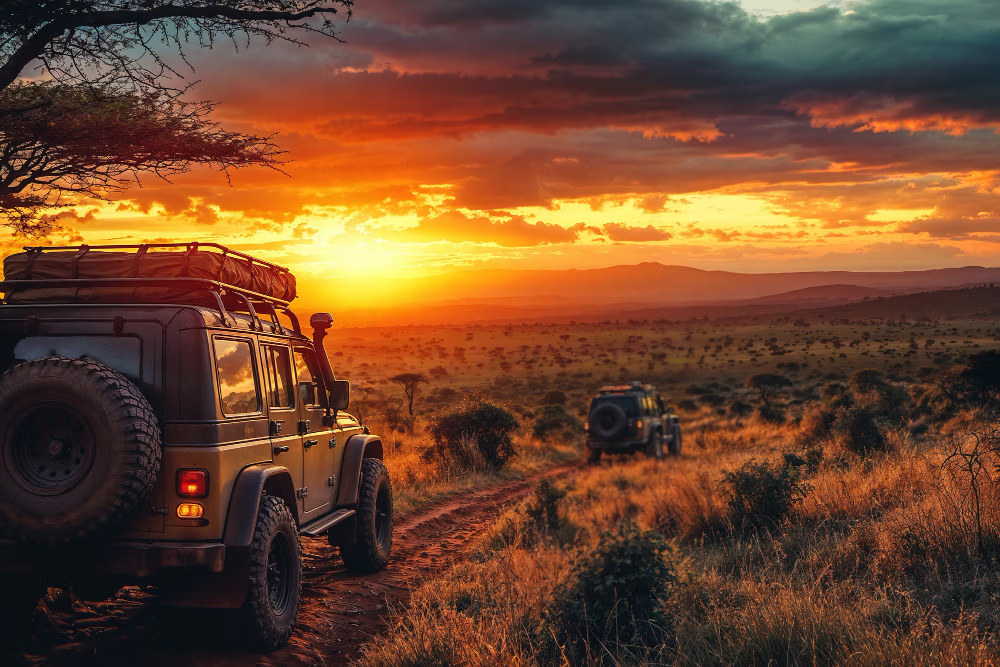
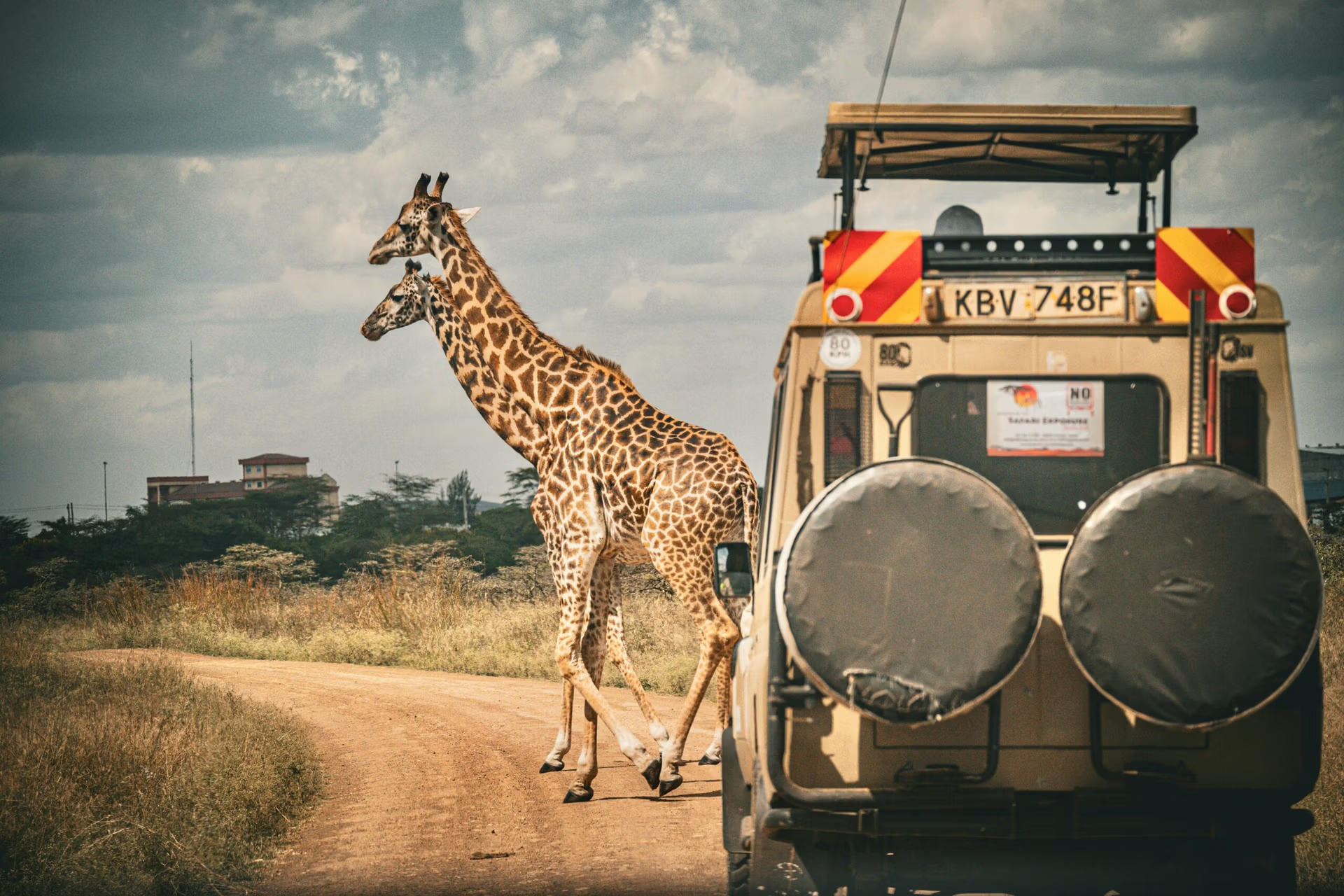
A well-maintained 4×4 safari Land Cruiser is particularly useful during rainy periods and when visiting accommodation located along rougher access roads. Safari vans may also be used on suitable routes, but vehicle selection should reflect current conditions.
Is Masai Mara Safe During the Rainy Season?
Masai Mara can be visited during the rainy season, but heavy rainfall may create additional risks, especially near rivers, low-lying camps, and unpaved roads.
The region generally experiences its longer rainy season between March and May, with another wetter period commonly occurring between October and December. However, rainfall patterns vary from year to year.
In March 2026, severe flooding affected parts of the Masai Mara, including areas near the Intiakitiak River. Some camps experienced flooding, and damage to bridges and access routes required emergency responses and repairs.
These incidents demonstrate why visitors should confirm current conditions with their safari operator before travelling, particularly when staying near rivers.
Travellers should never attempt to cross flooded roads or river crossings without proper authorization and professional assessment. If heavy rainfall affects a planned route, the safari operator should arrange a safer alternative or adjust the itinerary.
Is It Safe to Stay in Masai Mara Safari Lodges and Tented Camps?
Established safari lodges and tented camps in Masai Mara are designed to accommodate visitors in a wildlife environment. Many have trained staff, security procedures, and guides who understand the behaviour of wild animals.
However, safari camps are often located in areas where wildlife moves freely. Animals such as elephants, buffaloes, hippos, hyenas, and occasionally predators may pass near accommodation areas.
Visitors should follow the safety instructions provided during check-in and avoid walking around unfenced camps alone after dark. When necessary, camp staff arrange escorts between guest rooms, dining areas, and other facilities.
Food should not be left outside rooms, and guests should avoid approaching or feeding wild animals. Visitors staying near rivers should also respect warnings about hippos, crocodiles, and changing water levels.
Before booking, travellers can ask their accommodation provider about emergency communication, medical evacuation arrangements, flood precautions, and staff availability.
Is It Safe to Go on Game Drives in Masai Mara?
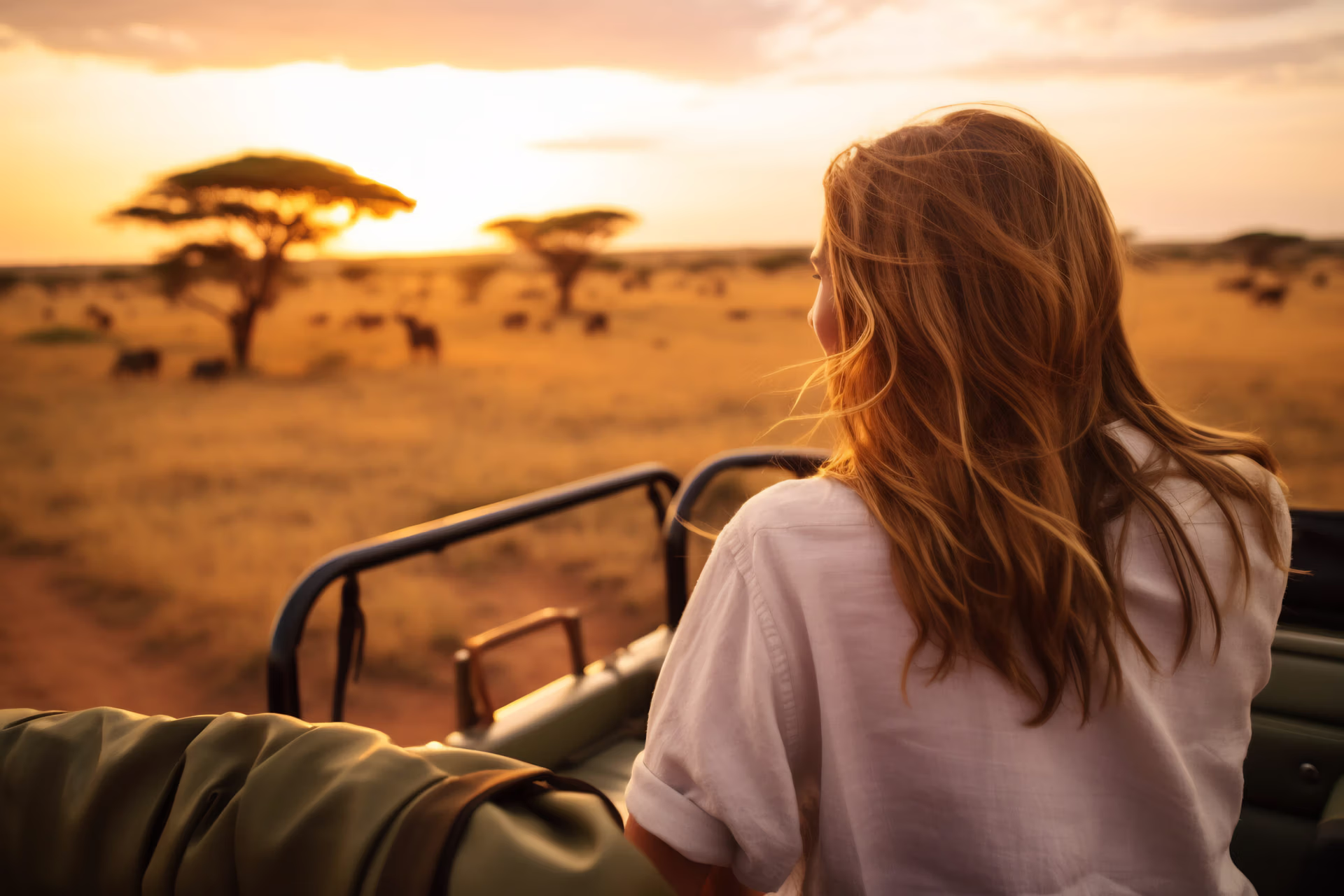
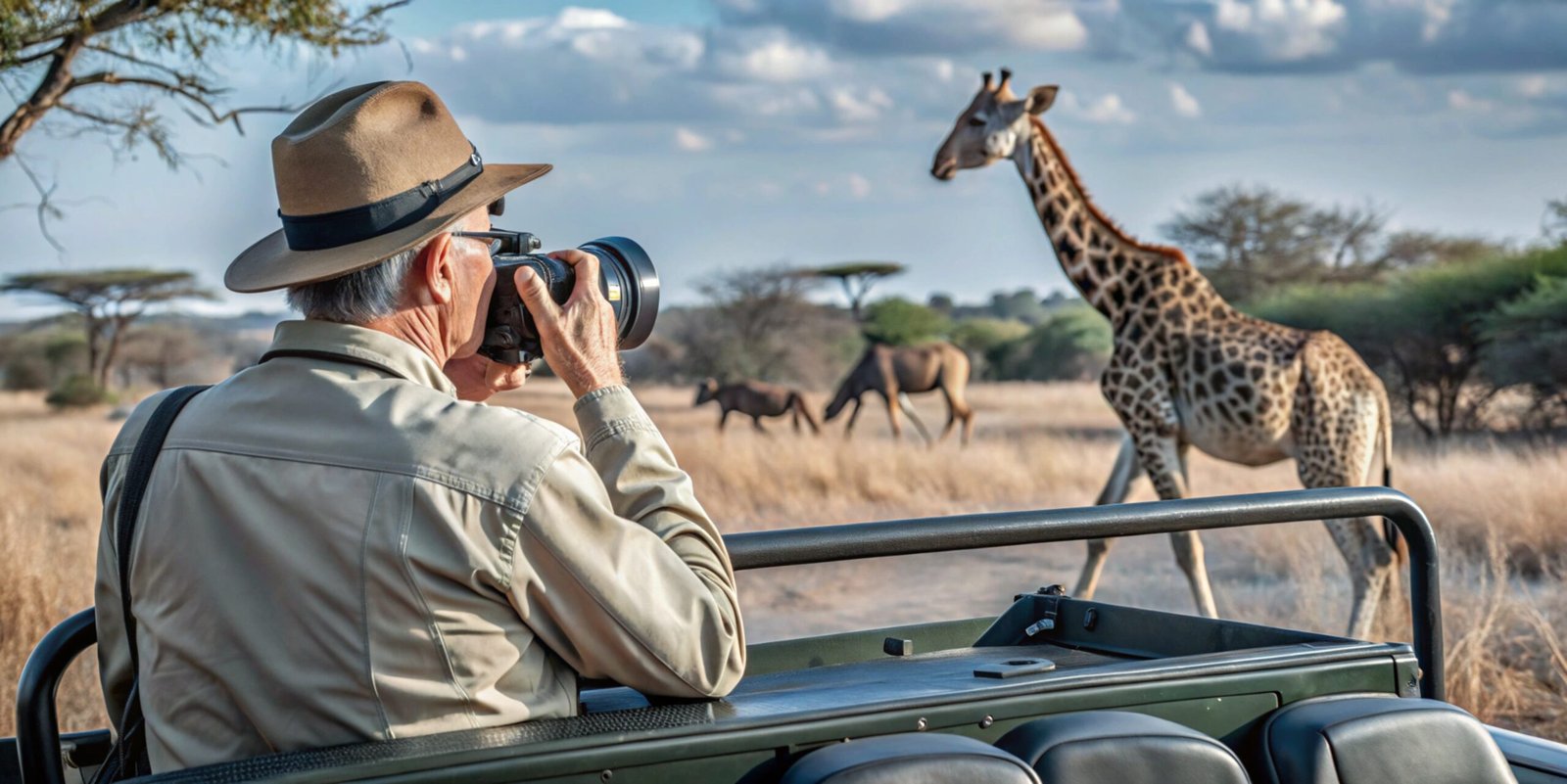
Game drives are among the main attractions of a Masai Mara safari. They provide opportunities to observe lions, elephants, leopards, cheetahs, buffaloes, giraffes, zebras, and many other wildlife species.
Game drives can be conducted safely when visitors follow park regulations and the instructions of experienced guides. However, wild animals are unpredictable and must always be treated with caution.
Visitors should remain inside their safari vehicles unless their guide confirms that stopping and exiting are permitted. They should never attempt to touch, feed, or attract wildlife.
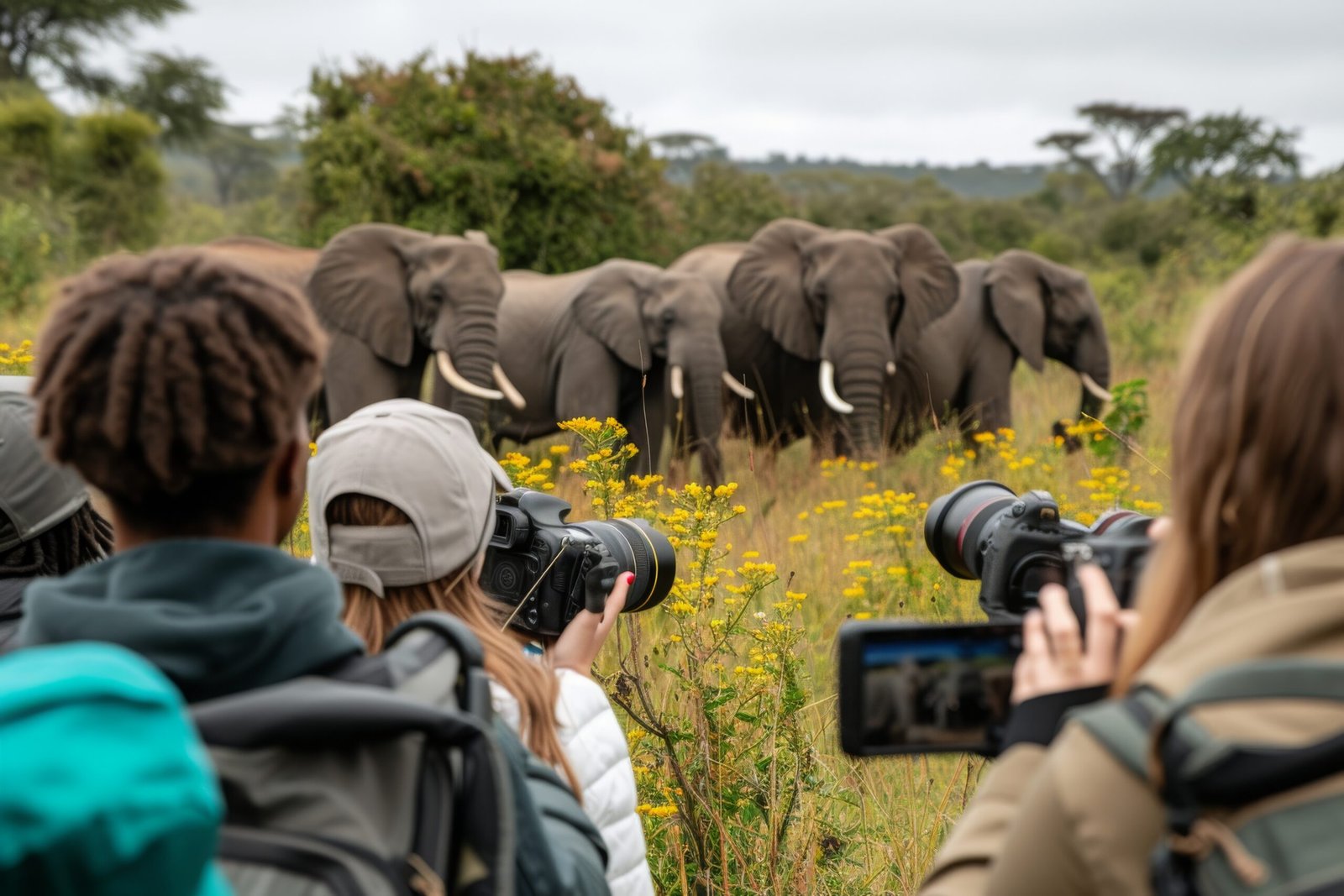
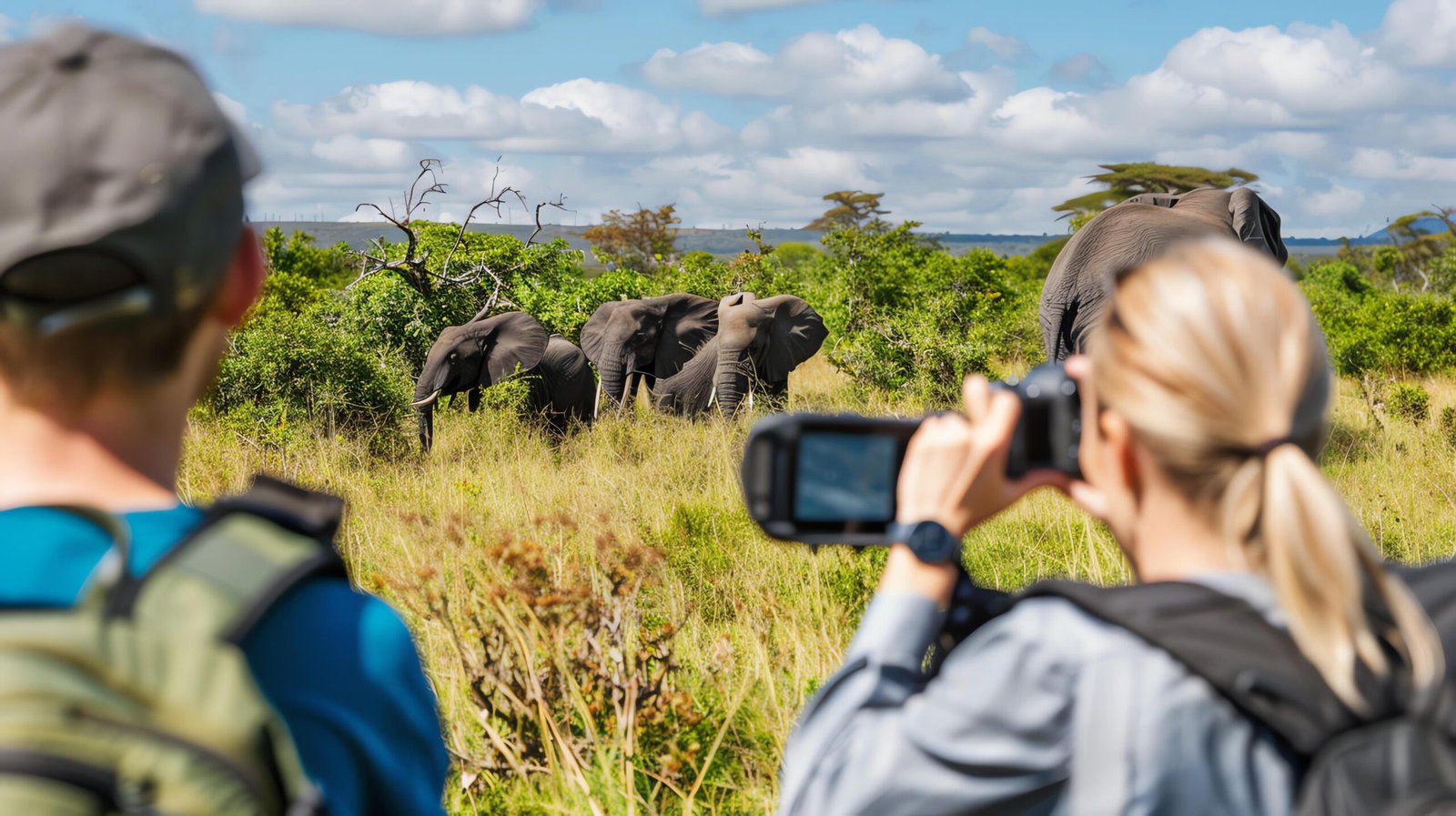
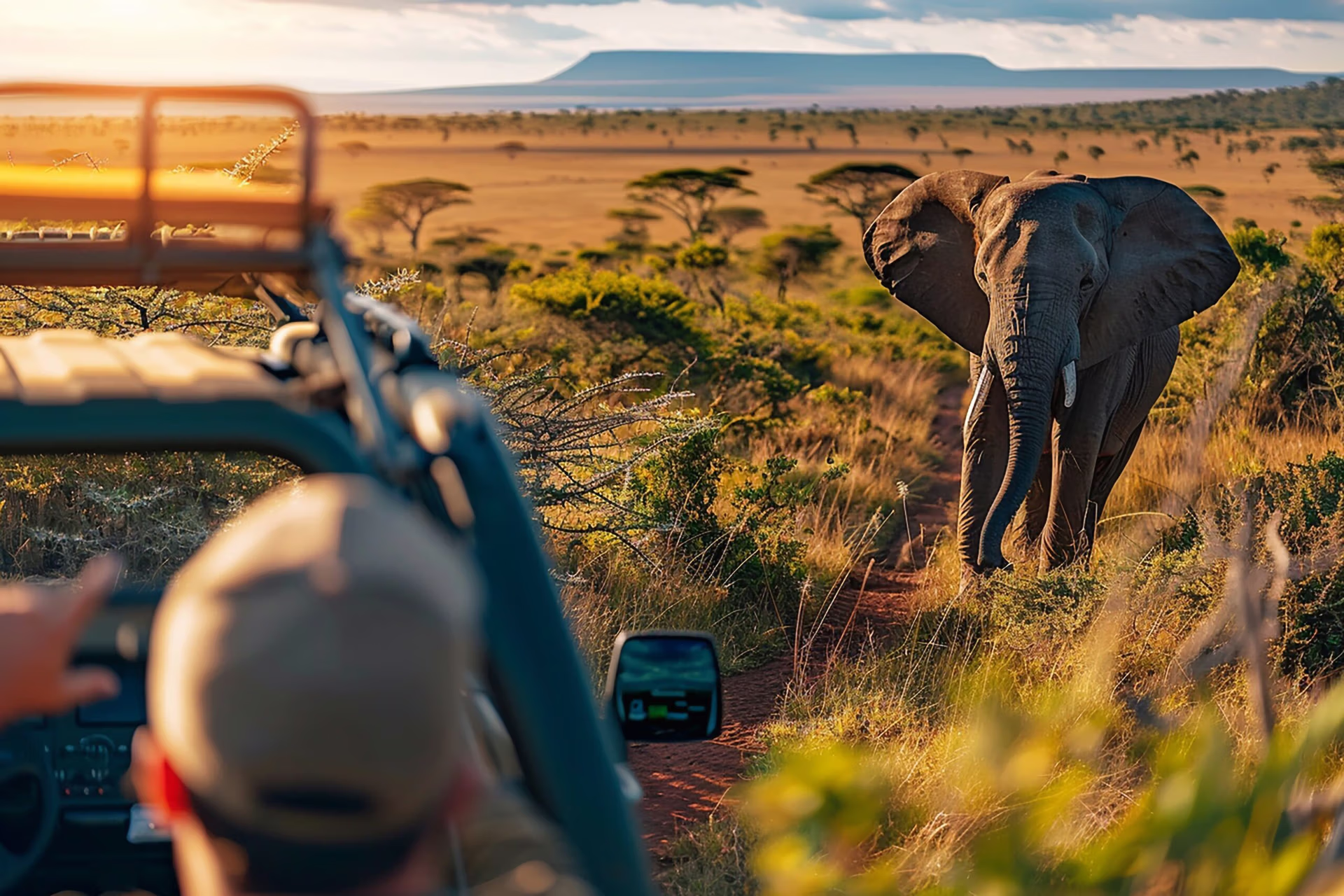
Standing outside the vehicle near predators, approaching elephants too closely, or blocking animal movements can create dangerous situations.
Professional guides maintain appropriate distances from wildlife and adjust their driving according to animal behaviour and environmental conditions.
Wildlife Safety in Masai Mara
Wild animals are one of the main reasons people visit Masai Mara, but they also require visitors to exercise caution.
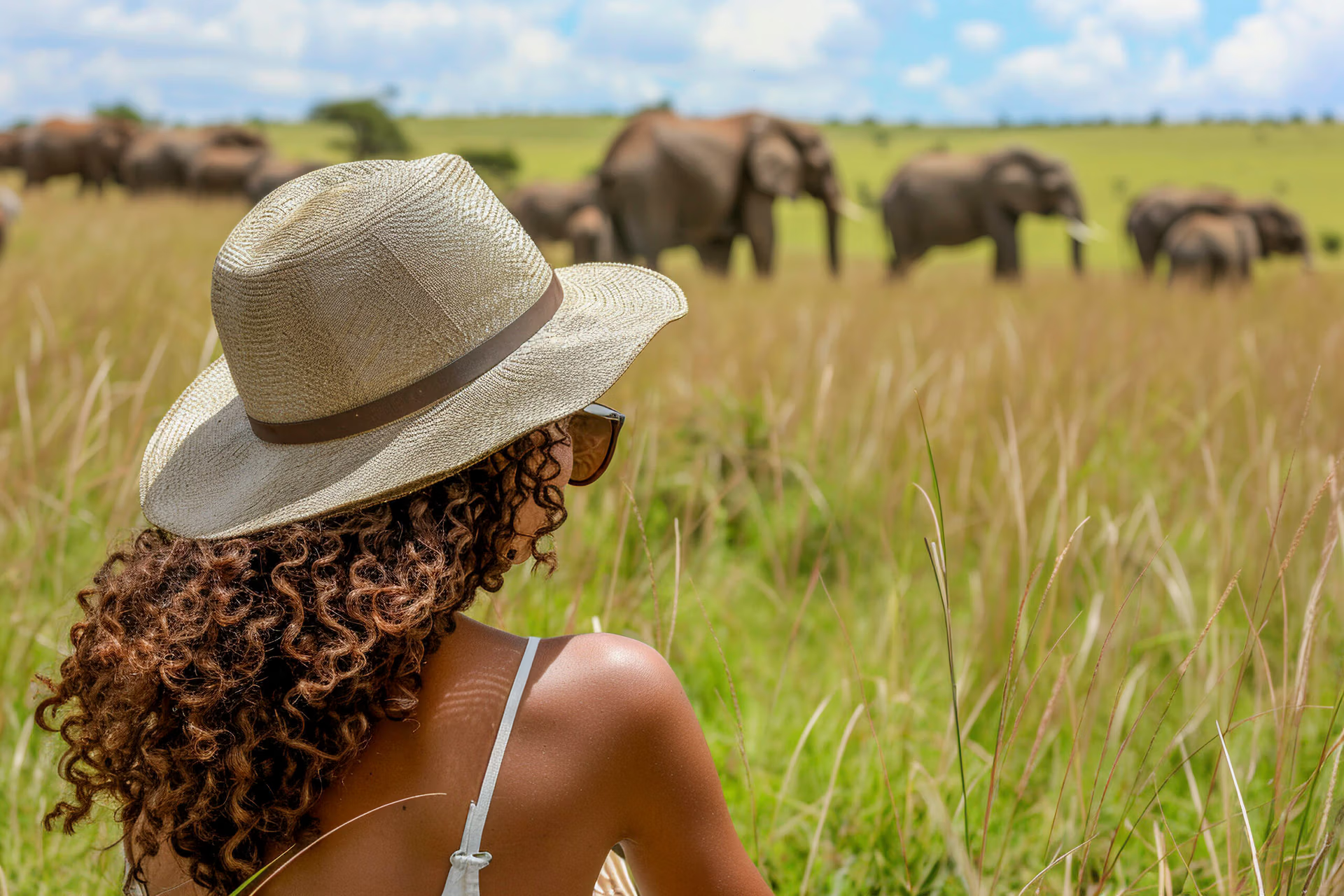
Lions and leopards are powerful predators that should only be observed from a safe distance. Elephants can become defensive when they feel threatened, especially when calves are present. Buffaloes can also be dangerous when surprised or approached too closely.
Hippos are particularly important to consider near rivers and water sources. Although they spend much of their time in water, they may move onto land at night to graze.
Visitors should never approach wildlife on foot without an authorized guide. They should also avoid loud noises, sudden movements, and actions that interfere with an animal’s natural behaviour.
The safest safari experience is one that respects wildlife and follows the guidance of trained professionals.
Is Masai Mara Safe for Families With Children?
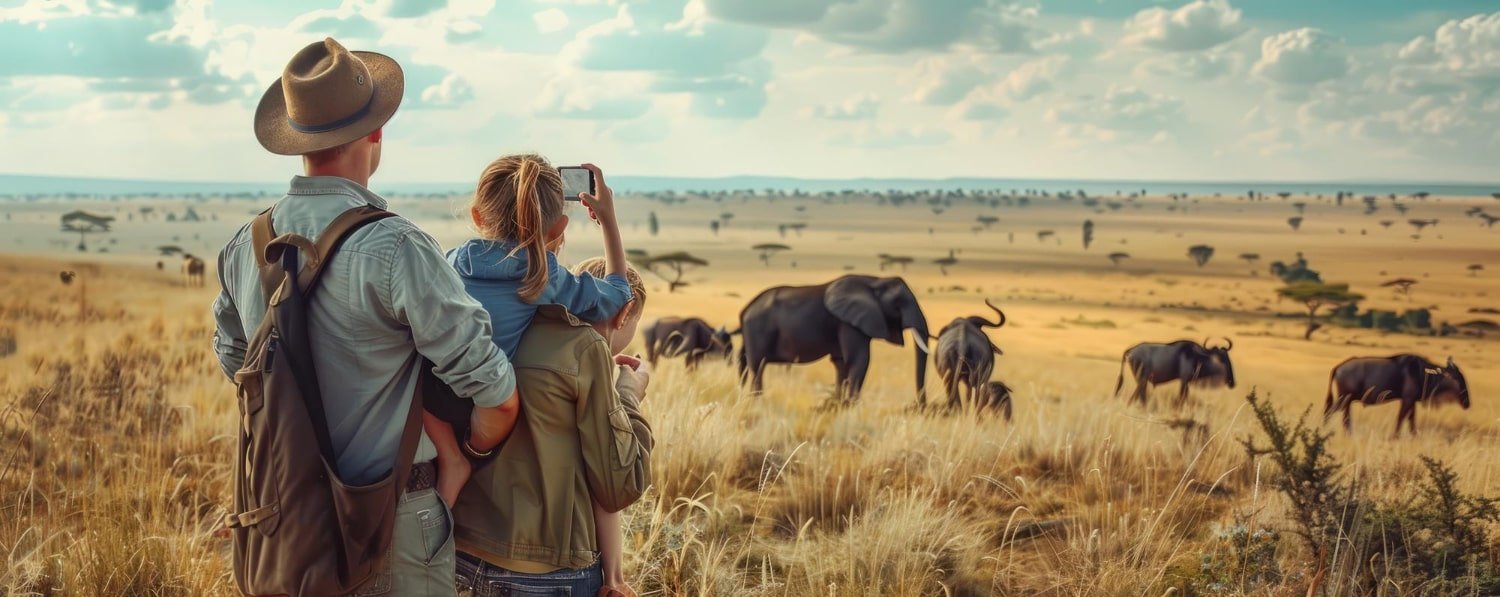
Masai Mara can be a suitable safari destination for families travelling with children, provided that accommodation, transport, and activities are selected carefully.
Many safari lodges and camps welcome families and offer accommodation options designed for parents travelling with children. However, some properties have minimum age requirements or restrictions for certain activities.
Parents should ensure that children remain supervised, especially in unfenced camps where wildlife may move nearby. Children should also be taught not to approach animals, leave accommodation without permission, or wander away from designated areas.
Families travelling with younger children may prefer lodges with suitable family rooms, shorter game drives, and established safety procedures.
Health and Medical Safety in Masai Mara
Health preparation is an important part of planning a Masai Mara safari. Travellers should seek advice from a qualified healthcare professional before departure regarding vaccinations, malaria prevention, and other health precautions relevant to their itinerary.
Mosquito-borne diseases, including malaria, are a consideration in Kenya. Visitors should use appropriate insect repellent, wear suitable clothing, and follow medical advice about preventive medication.
Because Masai Mara is a remote destination, advanced medical facilities are limited compared with major cities such as Nairobi. Travellers should consider comprehensive travel insurance that includes emergency medical evacuation.
Visitors should also carry necessary prescription medication, stay hydrated, protect themselves from the sun, and inform their safari operator about any important medical requirements.
Is It Safe to Fly From Nairobi to Masai Mara?
Flying from Nairobi to Masai Mara is a popular alternative to travelling by road. Domestic safari flights operate between Nairobi and several airstrips serving the reserve and surrounding conservancies, depending on schedules and availability.
Flights reduce the amount of time spent on long road transfers and can be particularly convenient for families, older travellers, and visitors planning short safari holidays.
However, small aircraft operations can be affected by weather conditions, visibility, and operational requirements. Travellers should allow sufficient connection time when combining domestic safari flights with international departures.
Passengers should also follow the airline’s luggage restrictions and safety instructions.
Safety Tips for Visiting Masai Mara
Visitors can reduce avoidable risks by preparing carefully before their safari.
- Book with an established, properly licensed safari operator.
- Review official travel advisories before departure.
- Confirm current road conditions and accommodation access.
- Choose a well-maintained safari vehicle with working seatbelts.
- Follow the instructions of your professional driver-guide.
- Never approach, touch, or feed wild animals.
- Avoid walking alone around unfenced camps, particularly after dark.
- Carry suitable travel and medical evacuation insurance.
- Keep important travel documents and emergency contact details accessible.
- Avoid unnecessary night driving and flooded road crossings.
- Check weather conditions during the rainy season.
- Respect all national reserve and conservancy regulations.
Is Masai Mara Safe for Solo Travellers?
Solo travellers can visit Masai Mara through organized private safaris or group-joining safari packages. Joining an established safari operator can make transport, accommodation, and wildlife activities easier to arrange.
Solo visitors should confirm their pickup location, accommodation details, safari vehicle arrangements, and emergency contacts before departure.
Group-joining safaris may be especially convenient for travellers who prefer to share transport and game drives with other visitors.
Is Masai Mara Safe for Honeymoon Couples?
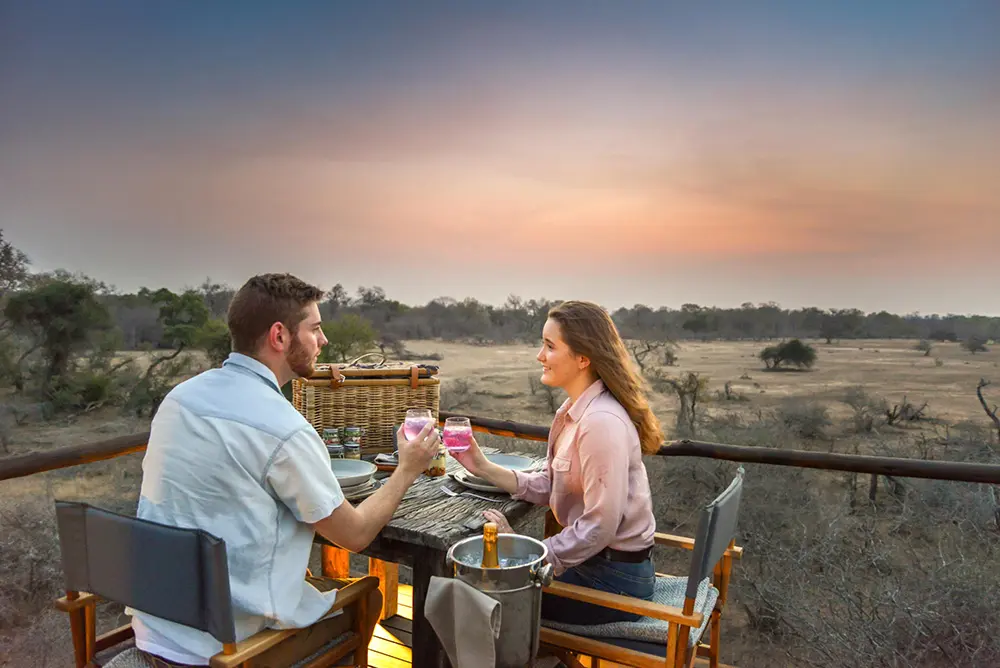
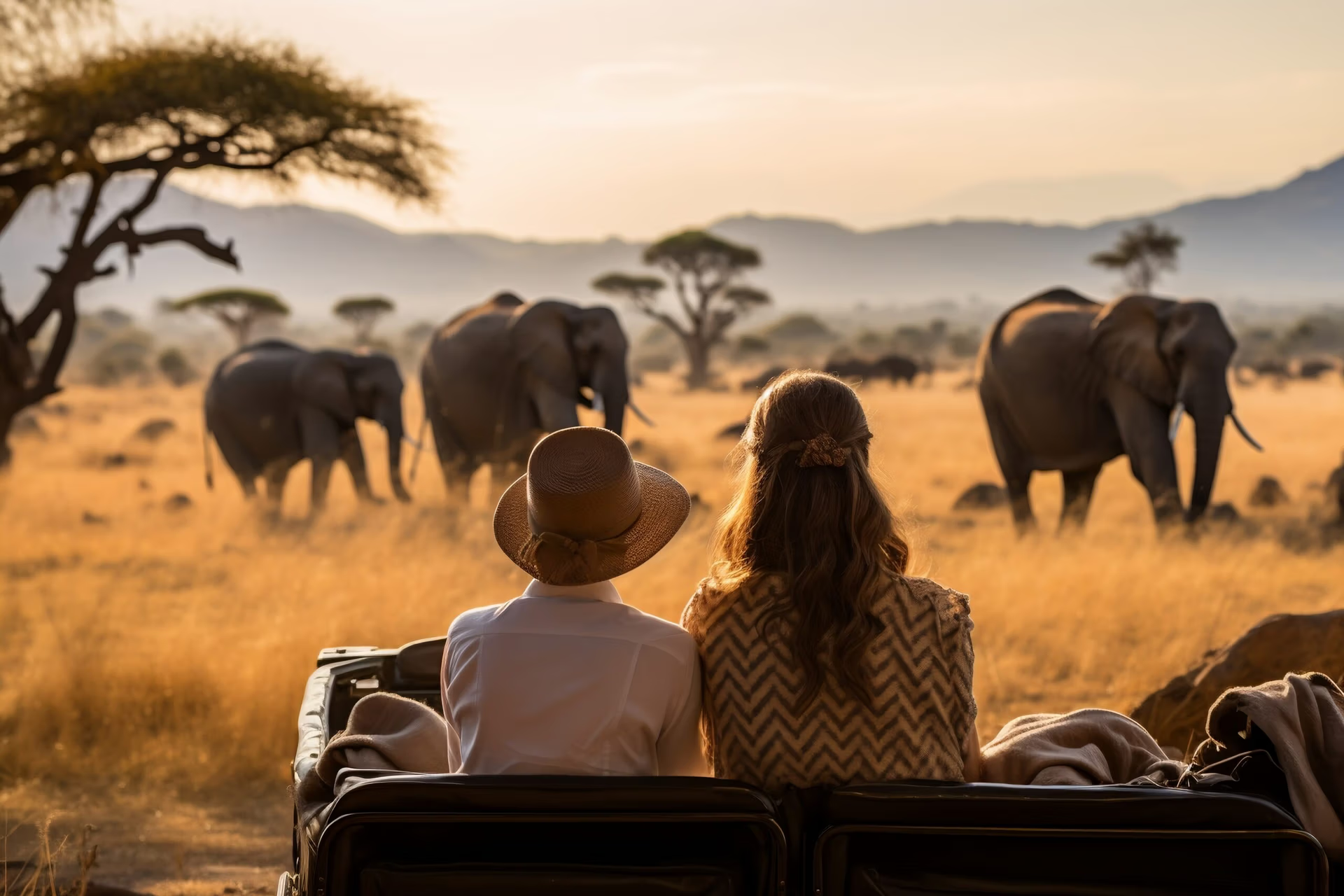
Masai Mara is a popular honeymoon destination because of its scenic landscapes, romantic safari camps, private game drives, and beautiful natural surroundings.
Couples can choose from luxury lodges, tented camps, and private conservancy accommodation offering different levels of comfort and privacy.
For a safe and enjoyable honeymoon, travellers should choose accommodation with appropriate security arrangements and follow staff instructions when moving around the property after dark.
Frequently Asked Questions About Masai Mara Safety
Is Masai Mara safe to visit in 2026?
Masai Mara remains an established safari destination, but visitors should consider current travel advisories, health risks, weather conditions, and transport safety. As of October 21, 2026, the United States advises its citizens to reconsider travel to Kenya.
Is Masai Mara safe at night?
Visitors should avoid walking alone at night in unfenced safari camps because wild animals may move through the area. Guests should follow lodge security procedures and use staff escorts where provided.
Are there dangerous animals in Masai Mara?
Yes. Masai Mara is home to lions, leopards, elephants, buffaloes, hippos, crocodiles, and other potentially dangerous wildlife. Visitors should observe animals from safe distances and follow their guide’s instructions.
Is it safe to visit Masai Mara during the Great Migration?
The Great Migration attracts many visitors to Masai Mara, particularly between July and October. Wildlife viewing can be rewarding, but travellers should follow park regulations and avoid unsafe behaviour around river crossings and large animal herds.
Is it safe to travel from Nairobi to Masai Mara by road?
Road travel is common, but risks include traffic accidents, rough roads, and seasonal weather conditions. Using an experienced driver and a suitable vehicle can help reduce these risks.
Is Masai Mara safe during heavy rainfall?
Heavy rainfall can cause flooding, damage roads, and affect access to certain camps. Visitors should confirm current conditions and avoid travelling through flooded areas.
Should I cancel my Masai Mara safari because of travel advisories?
The decision depends on your nationality, government travel advice, personal circumstances, insurance coverage, and confirmed local conditions. Travellers should review official advisories and discuss their options with their tour operator before making changes.
Conclusion
Masai Mara remains one of Kenya’s leading wildlife safari destinations, offering extraordinary opportunities to observe African wildlife and experience the Great Wildebeest Migration. However, travellers should not assume that visiting is entirely risk-free.
Current travel advisories, road conditions, seasonal flooding, wildlife safety, and access to medical services are all important considerations when planning a safari in 2026 or 2027.
Visitors who choose to travel should make informed decisions, use reputable safari operators, follow professional guiding instructions, and remain flexible when weather or other conditions affect their itinerary.
Careful preparation can help travellers enjoy the natural beauty and wildlife experiences that make Masai Mara one of Africa’s most famous safari destinations.