
When Is the Best Time to See the Great Migration in Masai Mara?
The best time to see the Great Wildebeest Migration in Masai Mara is generally between July and October, with August and September offering some of the strongest opportunities to witness the famous Mara River crossings. During this period, enormous herds of wildebeest, accompanied by zebras and gazelles, move through the Serengeti–Mara ecosystem in search of fresh grazing and water. Their movements create one of Africa’s most remarkable wildlife spectacles, attracting travellers from around the world.
August is particularly popular because large migratory herds are often present in the Masai Mara, and dramatic river crossings may occur. September is another excellent month, offering opportunities to observe migrating wildebeest, predator activity, and possible crossings along the Mara River. July can be rewarding when the herds arrive early, while October may still provide migration sightings as animals begin moving south towards Tanzania’s Serengeti National Park.
However, the Great Migration does not follow an exact calendar. Wildebeest movements depend on rainfall, grass availability, water sources, and changing environmental conditions. Some years, large herds arrive in Masai Mara earlier than expected, while in other years they remain in northern Serengeti for longer. Therefore, no safari operator can guarantee a river crossing on a particular date.

Great Migration in Masai Mara: Month-by-Month Guide
| Month | Migration conditions | Visitor experience |
|---|---|---|
| January–March | Main migratory herds generally farther south in Tanzania | Resident wildlife and big cats |
| April–June | Herds typically moving north through Serengeti | Green scenery and fewer visitors |
| July | Early arrivals and possible crossings | Start of peak migration season |
| August | Large herds and strong crossing opportunities | Popular peak month |
| September | Herds and possible crossings continue | Excellent migration viewing |
| October | Herds may begin moving south | Late-season migration opportunities |
| November–December | Main herds generally return towards Serengeti | Resident wildlife and birdwatching |
Why August Is One of the Best Months for the Great Migration
August is widely considered one of the best months to visit Masai Mara for the Great Wildebeest Migration. By this time, large numbers of wildebeest may have reached the Kenyan side of the Serengeti–Mara ecosystem, creating opportunities to observe enormous herds moving across the open plains.
One of the main attractions in August is the possibility of witnessing the dramatic Mara River crossings. Wildebeest may gather along the riverbanks before attempting to cross the water, where strong currents, steep banks, and Nile crocodiles create serious dangers. These crossings can be unpredictable, with animals sometimes waiting for hours or even days before entering the river.
August also offers rewarding wildlife photography opportunities. The relatively dry conditions can improve visibility across the plains, while the presence of migrating animals attracts predators such as lions, cheetahs, leopards, and hyenas.
However, August is also one of the busiest months in Masai Mara. Popular crossing areas can attract many safari vehicles, and accommodation prices are often higher than during quieter seasons.
Why September Is an Excellent Month to Visit Masai Mara
September is another outstanding month for travellers hoping to experience the Great Migration. Large herds may still be grazing across the Masai Mara plains, and river crossings can continue depending on rainfall and the position of the animals.
One advantage of visiting in September is the possibility of experiencing slightly fewer safari vehicles than during the busiest weeks of August. However, September remains a popular migration month, and famous river-crossing locations can still become crowded.
Wildlife viewing is often excellent because the migrating herds provide abundant prey for the Mara’s resident predators. Visitors may observe lions resting near grazing herds, cheetahs hunting across open grasslands, and hyenas following the movement of wildebeest and zebras.
For travellers interested in wildlife photography, September can provide beautiful golden landscapes, open visibility, and opportunities to capture the interaction between predators and migrating animals.
Can You See the Great Migration in Masai Mara in July?
July marks the beginning of the main migration-viewing season in Masai Mara. Depending on rainfall and grass conditions, some wildebeest herds may begin arriving from northern Serengeti in late June or July.
Early arrivals can create exciting wildlife-viewing opportunities, particularly around the Mara River and the southern sections of the reserve. However, visitors travelling in early July should understand that large numbers of migrating animals may still be in Tanzania.
For travellers whose main goal is seeing a Mara River crossing, late July generally offers better seasonal prospects than early July, although the timing varies from year to year.
Is October a Good Month to See the Great Migration?
October can still be a rewarding month for witnessing the Great Migration in Masai Mara. Some wildebeest herds may remain in the reserve, while others begin their southward journey towards northern Serengeti.
River crossings can occur during this period as animals move between grazing areas. However, the number and location of migrating herds become increasingly variable as the season progresses.
October may appeal to travellers looking for a combination of wildlife viewing and potentially lower visitor numbers than the busiest weeks of August.
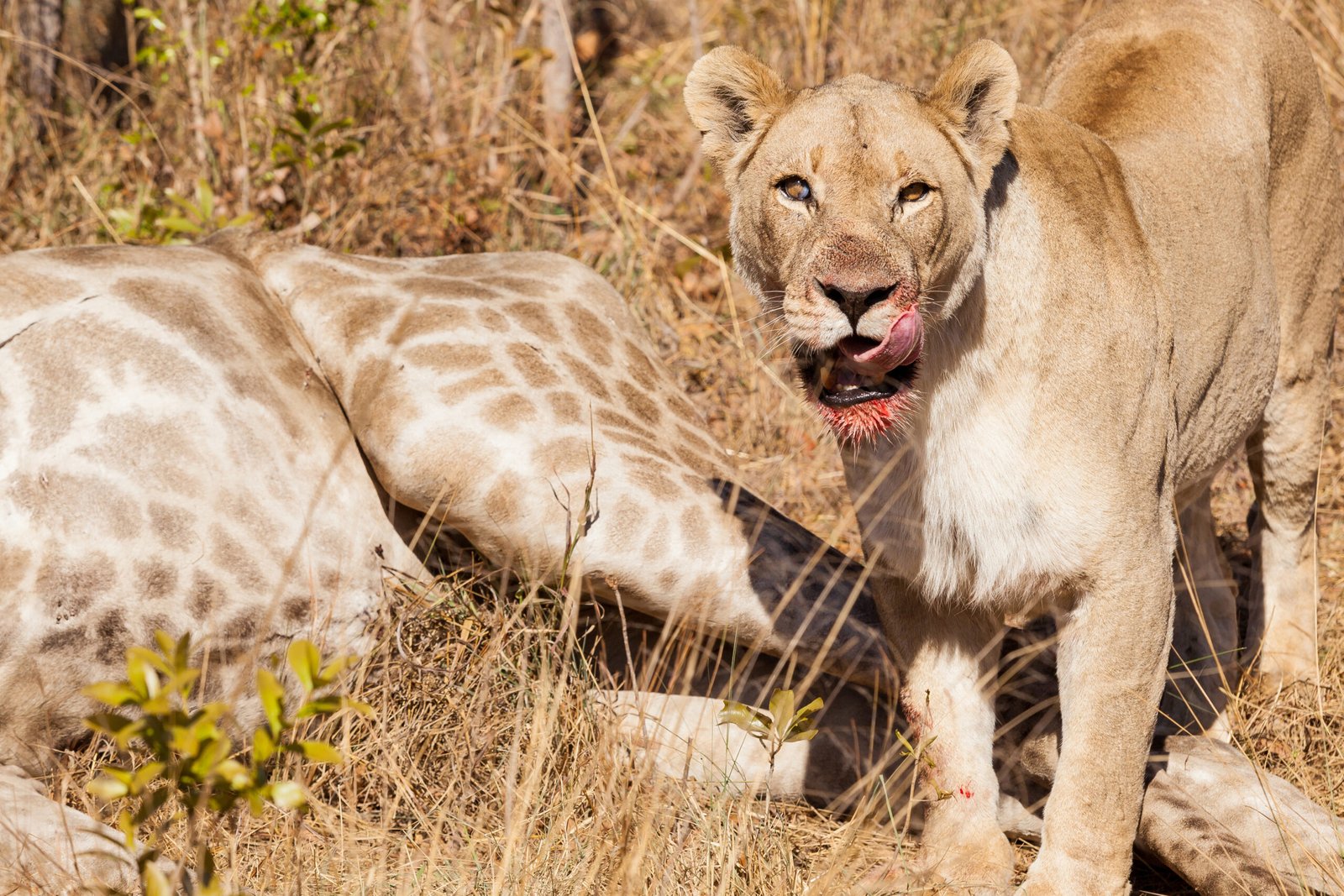
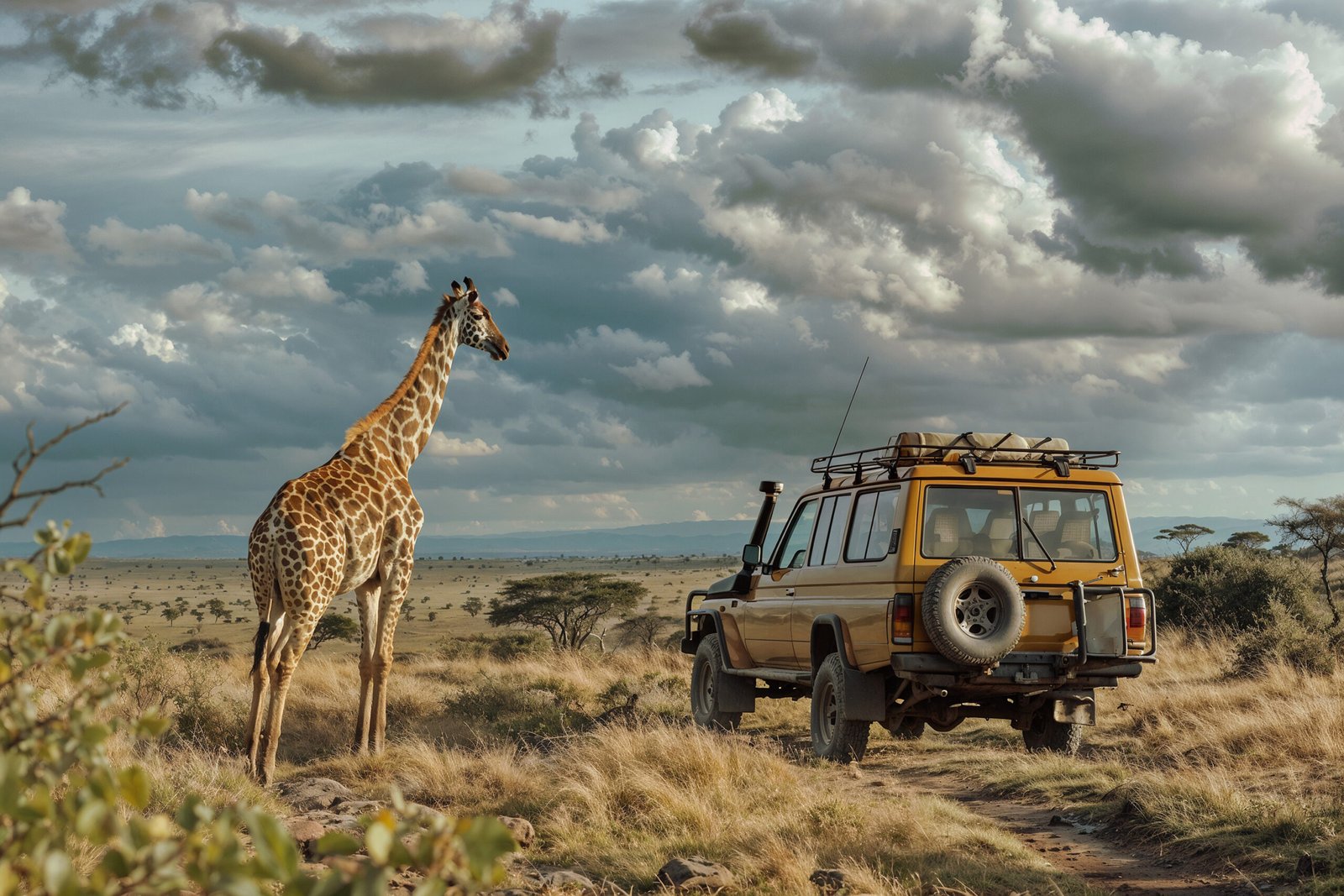
Even if the main migratory herds have already moved south, Masai Mara remains home to lions, leopards, cheetahs, elephants, buffaloes, giraffes, and many other resident animals.
Where Is the Best Place to See the Great Migration in Masai Mara
The Mara River is the most famous location for witnessing wildebeest crossings. Several sections of the river are used by migrating herds, including areas within the main Masai Mara National Reserve and the Mara Triangle.
The Mara Triangle is particularly attractive because it offers access to important river sections and extensive grasslands where wildebeest may gather. Other areas around the central reserve can also provide excellent migration-viewing opportunities.
However, there is no single crossing point that guarantees sightings. Wildebeest may cross at different locations depending on water levels, grazing conditions, and herd movements.
Travellers should choose accommodation with practical access to migration-viewing areas and use experienced safari guides who understand the seasonal movements of wildlife.
How Many Days Do You Need to See the Great Migration?
For travellers interested in the Great Migration, a safari of at least three nights and four days is generally recommended. This provides more time to explore different sections of the reserve, observe migrating herds, and respond to changing wildlife movements.
Visitors whose main goal is witnessing a Mara River crossing may prefer four or five nights. Crossings are unpredictable, and spending additional days in the reserve can improve the opportunity to encounter one.
A two-night safari can still provide excellent wildlife viewing, but the available time is relatively limited, particularly when travelling from Nairobi by road.
Recommended 5-Day Masai Mara Migration Safari
| Day | Safari activities |
|---|---|
| Day 1 | Nairobi to Masai Mara, afternoon game drive |
| Day 2 | Full-day game drive exploring migration areas |
| Day 3 | Full-day safari focusing on Mara River and surrounding plains |
| Day 4 | Additional migration viewing and predator photography |
| Day 5 | Breakfast and return to Nairobi |
This itinerary is particularly suitable for travellers visiting between July and October. Game-drive locations should remain flexible because wildebeest movements can change throughout the season.
Can You See the Great Migration Outside July to October?
Yes. The Great Migration is a year-round wildlife movement across the Serengeti–Mara ecosystem, but the largest migratory herds are not present in the Kenyan Masai Mara throughout the year.
Between approximately January and March, the southern Serengeti and Ndutu region of Tanzania are especially important for the wildebeest calving season. During April, May, and June, the herds generally move through central and western Serengeti before continuing north.
Travellers visiting Kenya outside the main migration months can still enjoy excellent wildlife viewing in Masai Mara. The reserve supports resident wildebeest and many other animals throughout the year.
Frequently Asked Questions About the Great Migration in Masai Mara
What is the best month to see the Great Migration in Masai Mara?
August and September are generally among the best months for seeing large migrating herds and possible Mara River crossings.
When do wildebeest cross the Mara River?
Mara River crossings commonly occur between July and October, with August and September often offering strong opportunities. Exact dates cannot be predicted reliably.
Is the Great Migration guaranteed in August?
No. August is a popular migration month, but wildebeest movements depend on rainfall, grazing conditions, and water availability. Even when large herds are present, river crossings cannot be guaranteed.
Is August or September better for the Great Migration?
Both months offer excellent seasonal opportunities. August is particularly popular for large herds and crossings, while September can offer similarly rewarding wildlife viewing with potentially fewer visitors.
How many days should I spend in Masai Mara during migration season?
Four to five days is a good choice for travellers interested in migration viewing, particularly those hoping to witness river crossings.
Can I see the Great Migration in November?
Some migrating animals may still be in the wider northern ecosystem, but the main herds generally begin moving south towards Serengeti as seasonal conditions change. November is less reliable for viewing the main migration in Masai Mara.
Is the Great Migration better in Kenya or Tanzania?
Both countries offer remarkable migration experiences. Kenya’s Masai Mara is particularly famous for river crossings between July and October, while Tanzania’s Serengeti offers opportunities to follow different stages of the migration throughout the year.
Conclusion
The best time to see the Great Migration in Masai Mara is generally between July and October, with August and September offering some of the strongest opportunities to witness enormous wildebeest herds and dramatic Mara River crossings.
However, the migration is a natural event influenced by rainfall, grazing conditions, and seasonal wildlife movements. Travellers should avoid planning around a guaranteed crossing date and instead allow enough time to explore different areas of the reserve.
For visitors planning a Masai Mara Safari Package, spending at least three to four nights in a well-located safari camp, travelling with an experienced guide, and maintaining a flexible itinerary can make the experience more rewarding.
Whether you visit in July, August, September, or October, the Masai Mara offers extraordinary wildlife encounters, beautiful landscapes, and opportunities to witness one of Africa’s greatest natural spectacles.