
Masai Mara Safari From Uk
Welcome to United Kingdom Destination
A Masai Mara safari from the United Kingdom offers UK travellers the opportunity to experience one of Africa’s most iconic wildlife destinations. Located in southwestern Kenya, the Masai Mara National Reserve is famous for its breathtaking landscapes, abundant wildlife, and the spectacular Great Wildebeest Migration, making it one of the best safari destinations in the world.
For travellers from the UK, a Masai Mara safari combines adventure, luxury, nature, and cultural experiences into one unforgettable African holiday. Whether you are planning a honeymoon safari, family holiday, luxury escape, photography adventure, or a once-in-a-lifetime wildlife experience, the Masai Mara provides exceptional safari experiences throughout the year.
With direct flights from major UK airports to Kenya and well-established safari routes from Nairobi, visiting the Masai Mara is easier than many travellers imagine. UK visitors can enjoy comfortable lodges, professional safari guides, excellent hospitality, and some of the best wildlife viewing opportunities in Africa.
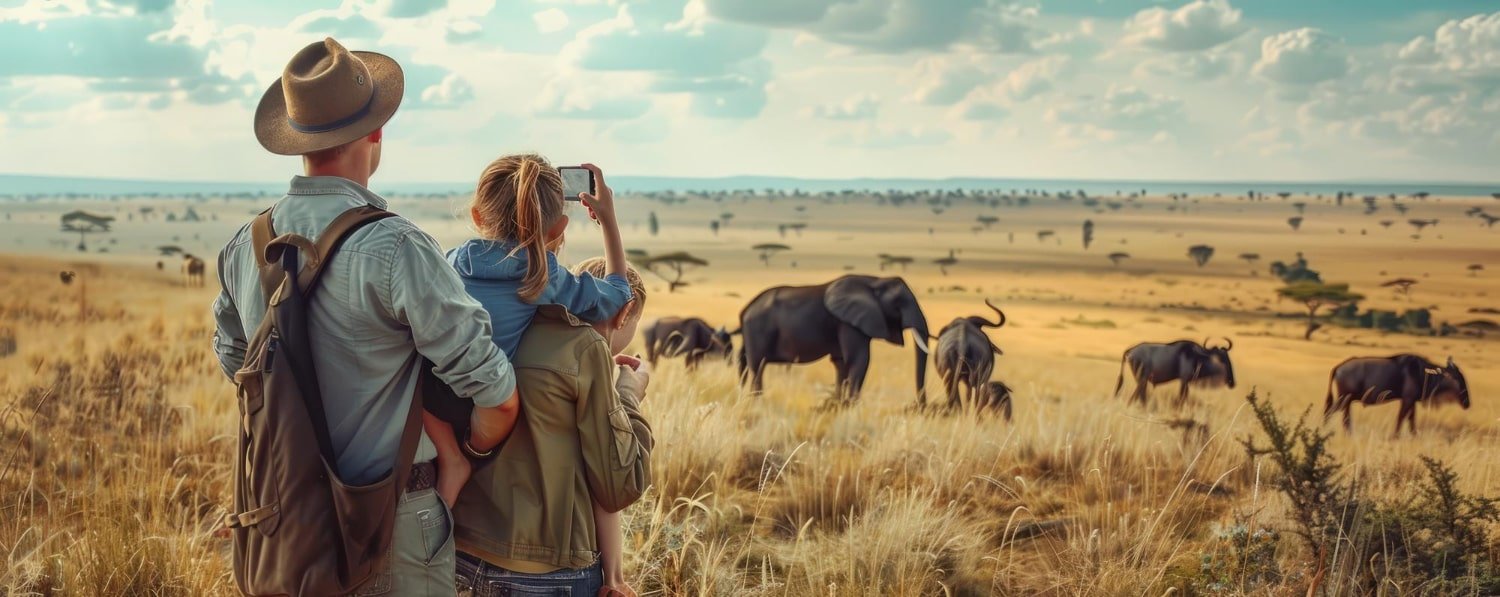
KENYA SAFARI HOLIDAYS FROM UNITED KINGDOM
Experience the Unforgettable Masai Mara Safari Packages
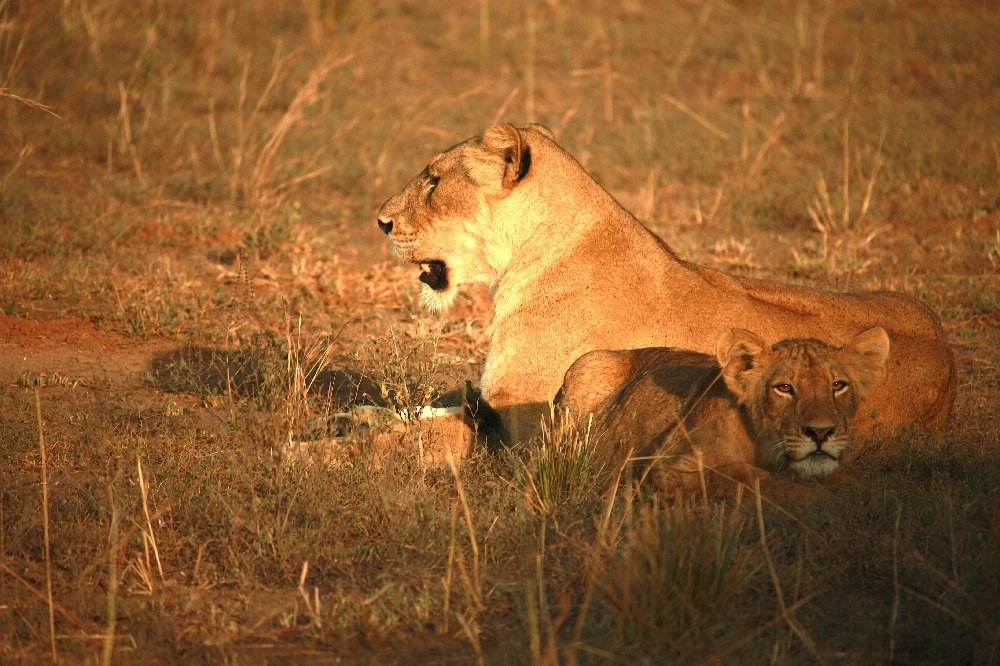
Masai Mara Honeymoon Safari
United Kingdom
Kenya Safari Tours From Mombasa
France
Kenia-Safari-Reisen ab Deutschland
Fly-In Kenya Safari Tours
Cheap Kenya Safari Tours From Nairobi
All Inclusive Kenya Safari Tours
Budget Camping Kenya Safari Tours
Mid Range Kenya Safari Tours
Affordable Kenya Safari Tours
Deutschland
Zanzibar Safari Holidays
Kenya Luxury Safari Packages
Kenya Group Joining Safaris
Kenya Flying Safari Packages
Kenya Budget Safari Tours
Gorilla Trekking Rwanda
Wędrówka w poszukiwaniu goryli w Ugandzie
Wakacje w Tanzanii
Kenia Wakacje
Góra Kilimandżaro
Podróż poślubna do Kenii
Kenya Travel Seasons: Safari Weather, Migration Timing & Tips
Thank You
Terms & Conditions
Privacy Policy
CSR
Blog
Wycieczka szyta na miarę
Contact Us
About Us
Home
Kenya safari holiday packages from the UK


- Kenya
$ 3920 per person
- 6 Days
- and 5 Nights
- 4.9 / 5*

- Kenya
$ 2548 per person
- 6 Days
- and 5 Nights
- 4.9 / 5*

- Kenya
$ 2150 per person
- 5 Days
- and 4 Nights
- 4.9 / 5*

- Kenya
$ 1025 per person
- 4 Days
- and 3 Nights
- 4.9 / 5*
Great Kenya Safari Holiday from the UK
A Great Kenya Safari Holiday from the UK offers travellers an extraordinary opportunity to experience Africa’s most iconic wildlife, breathtaking landscapes, rich cultures, and relaxing tropical beaches in one unforgettable journey.
Kenya is one of the world’s leading safari destinations, famous for the legendary Masai Mara, the Big Five, the Great Wildebeest Migration, Amboseli’s views of Mount Kilimanjaro, and the beautiful Indian Ocean coastline. For travellers from the United Kingdom, Kenya provides the perfect balance of adventure and relaxation, making it an ideal destination for families, couples, honeymooners, photographers, and first-time safari visitors.
A Kenya safari holiday is more than just a wildlife experience. It is a journey through diverse ecosystems, from open savannah plains and mountain landscapes to lakes, forests, and coastal beaches. Visitors can enjoy thrilling game drives, meet local communities, experience authentic African culture, and unwind after their safari on some of Kenya’s most beautiful beaches.
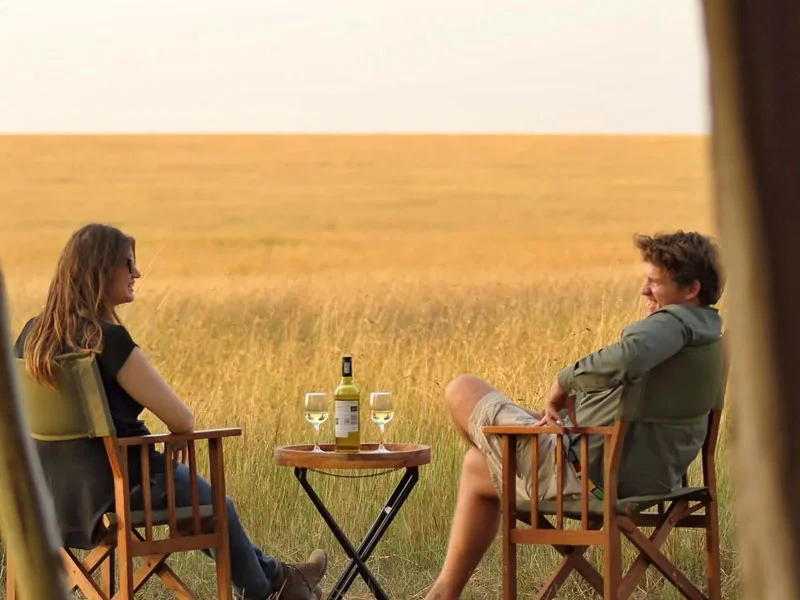
Masai Mara Safari Experience
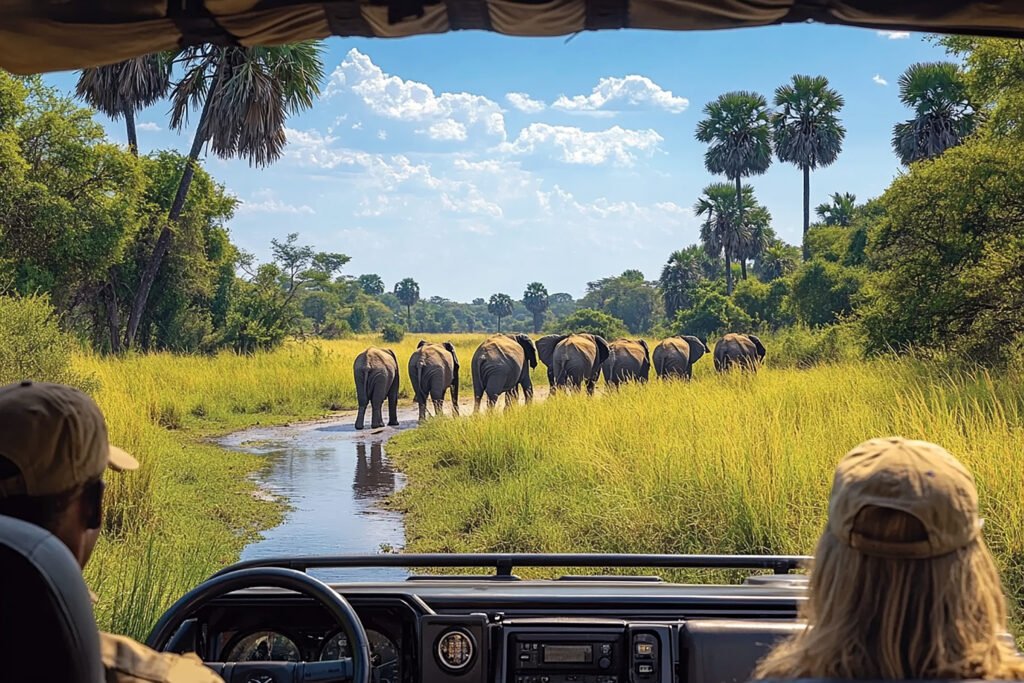

A Masai Mara safari is centred around game drives, where visitors explore the reserve in specially designed 4×4 safari vehicles accompanied by experienced driver-guides. Professional guides provide valuable information about wildlife behaviour, conservation, and the ecosystem while helping visitors locate different animal species.Morning game drives are popular because many animals are active after sunrise, while afternoon and evening game drives provide opportunities to witness spectacular sunsets and increased predator activity.
During a typical Masai Mara safari, visitors may encounter lions resting under trees, elephants moving in family groups, giraffes feeding on acacia trees, cheetahs searching for prey, hippos relaxing in rivers, and large herds of grazing animals across the plains.The experience is not only about seeing animals but also about appreciating the beauty of the African wilderness and understanding the importance of wildlife conservation.
Best Time to Visit Masai Mara from the UK

The best time to visit Masai Mara from the UK depends on the type of safari experience you are looking for, your budget, and whether you want to witness the famous Great Wildebeest Migration. The Masai Mara is a year-round safari destination, offering incredible wildlife viewing, beautiful landscapes, and unforgettable experiences in every season.
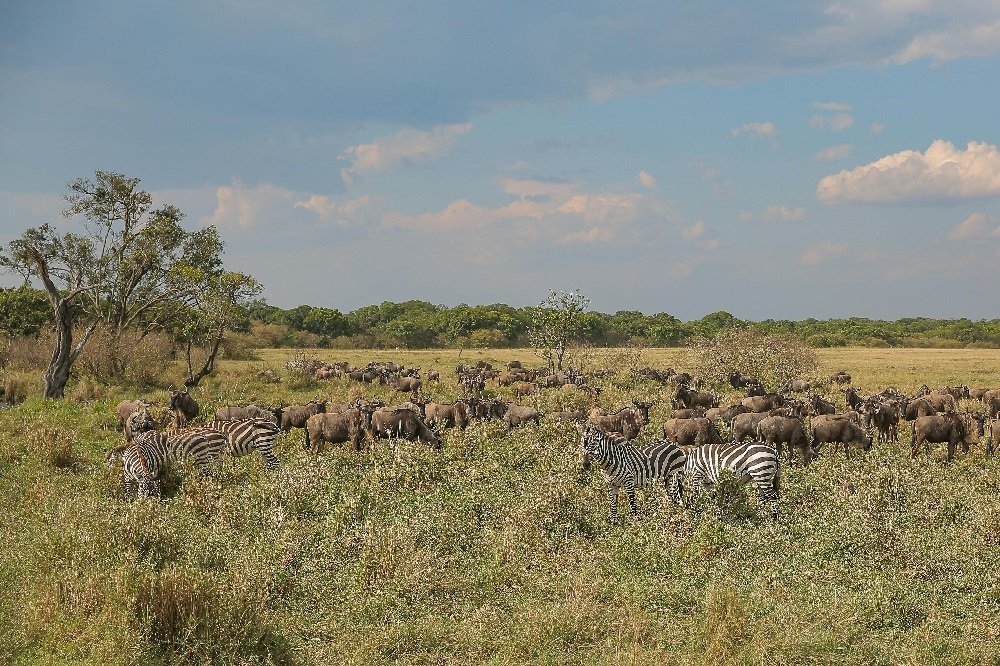
For most UK travellers, the ideal time to visit the Masai Mara National Reserve is between July and October, when the reserve hosts the spectacular Great Migration. During this period, millions of wildebeest and zebras cross from Tanzania’s Serengeti into Kenya’s Masai Mara, creating one of the world’s greatest wildlife events.
However, visitors should know that each season offers unique advantages. The dry season provides excellent game viewing, while the green season offers beautiful scenery, fewer crowds, and more affordable safari packages.
During these months, huge herds of wildebeest, zebras, and gazelles arrive in the Masai Mara after travelling from Tanzania’s Serengeti. The migration creates extraordinary wildlife experiences, especially during the dramatic Mara River crossings.
The Masai Mara represents the ultimate African safari experience, combining incredible wildlife encounters, breathtaking scenery, rich cultural experiences, and unforgettable adventures. From witnessing the Great Migration and spotting the Big Five to enjoying luxury camps and authentic Maasai interactions, the Masai Mara offers something special for every traveller.
How Much Does a Masai Mara Safari from the UK Cost?
The cost of a Masai Mara safari from the UK depends on several factors, including the duration of the safari, the season of travel, the type of accommodation, transport arrangements, and whether you choose a private or shared safari experience. On average, a Masai Mara safari package from the UK can cost between £800 and over £5,000 per person, depending on the level of comfort, services included, and the exclusivity of the experience.
For most UK travellers, the total cost of a Masai Mara safari usually covers accommodation, meals, transportation within Kenya, professional safari guide services, game drives, and park entry fees. International flights from the United Kingdom to Kenya may either be booked separately or included as part of a complete Kenya holiday package. Travellers should always confirm what is included before booking because different safari companies offer different packages.
A budget Masai Mara safari from the UK is the most affordable option and is ideal for travellers who want to experience Kenya’s famous wildlife without spending a large amount on accommodation. These safaris generally include shared transport in a safari vehicle, comfortable but simple accommodation, scheduled game drives, meals, park fees, and the services of an experienced driver-guide. Budget safaris are popular among solo travellers, backpackers, students, and visitors who prefer to spend more time exploring the destination rather than staying in luxury camps.
A mid-range Masai Mara safari package from the UK offers a balance between comfort, quality, and affordability. These packages usually include well-located safari lodges or tented camps, comfortable rooms, quality meals, experienced guides, and more flexible safari schedules. Mid-range safaris are the preferred choice for many couples, families, and first-time safari visitors because they provide a comfortable experience while maintaining reasonable costs.
A luxury Masai Mara safari from the UK provides a more exclusive and personalised experience. Luxury safari packages may include high-end tented camps, private safari vehicles, premium dining, personalised services, bush breakfasts, sundowner experiences, and expert guides. These safaris are popular among honeymooners, couples celebrating special occasions, and travellers looking for a premium African wilderness experience.
The time of year you travel also has a major impact on the cost of a Masai Mara safari. The peak season, especially from July to October during the Great Wildebeest Migration, is usually the most expensive period because of high demand. During this time, travellers have the opportunity to witness one of the world’s greatest wildlife spectacles, including the famous Mara River crossings. Accommodation prices are higher, and early booking is recommended.
The months of January to March often provide excellent value because wildlife viewing is very good while visitor numbers are lower compared to the migration season. The green seasons, particularly April to June and November, can also offer more affordable safari packages, fewer crowds, and beautiful landscapes after rainfall.
The length of your safari also determines the overall cost. A short 3-day Masai Mara safari from the UK is usually more affordable and suitable for travellers with limited time, while longer safaris provide a deeper exploration of the reserve and allow visitors to combine the Masai Mara with other destinations such as Amboseli, Lake Nakuru, Lake Naivasha, Tsavo, or Kenya’s coastal beaches.
Travellers should also consider whether they prefer a private safari or a shared group safari. Private safaris are more expensive because they provide a dedicated vehicle, flexible schedules, and personalised attention from the guide. Shared safaris are more affordable because transportation and guide costs are shared among several travellers.
For UK visitors planning a Masai Mara holiday, the best approach is to choose a package that matches their travel style, budget, and expectations. Whether choosing a budget safari, mid-range adventure, or luxury wilderness experience, the Masai Mara offers exceptional wildlife encounters and unforgettable memories.
A Masai Mara safari from the UK is ultimately an investment in one of the world’s greatest travel experiences. From witnessing lions on the open plains and seeing elephants in their natural habitat to experiencing the Great Migration and exploring Kenya’s unique landscapes, the value of the experience goes far beyond the cost of the package.
What Is the Best Time to Visit Masai Mara from the UK?
The best time to visit Masai Mara from the UK depends on what type of safari experience you want to enjoy, your travel budget, and whether you want to witness the famous Great Wildebeest Migration. The Masai Mara is a year-round safari destination, meaning visitors can enjoy excellent wildlife viewing in every season. However, different months offer different advantages, from dramatic migration experiences to quieter safaris with fewer visitors and lower prices.
For most travellers from the UK, the period between July and October is considered the best time to visit Masai Mara because it coincides with the Great Migration. During these months, millions of wildebeest, zebras, and gazelles move from Tanzania’s Serengeti into Kenya’s Masai Mara in search of fresh grazing areas. This spectacular natural event attracts visitors from around the world and provides some of the most memorable safari experiences in Africa.
The dry season between July and October also offers excellent wildlife viewing conditions because animals gather around rivers and water sources, making them easier to spot during game drives. The roads are generally in better condition, the skies are clearer, and the chances of seeing predators such as lions, leopards, and cheetahs are high. For UK travellers planning their first African safari, this period provides an excellent introduction to the Masai Mara.
However, July to October is also the busiest and most expensive period to visit. Safari lodges and camps often fill quickly, especially during the school holiday months of July and August. Travellers planning a Masai Mara safari from the UK during migration season should book several months in advance to secure their preferred accommodation and safari package.
January to March: Excellent Wildlife Viewing with Fewer Crowds
The months of January to March are also among the best times to visit Masai Mara from the UK, especially for travellers who prefer a quieter safari experience. During this period, the weather is generally warm and dry, and wildlife viewing remains excellent.
The reduced number of visitors means that travellers can enjoy more peaceful game drives and often have better opportunities for photography without large crowds around wildlife sightings. Predators are particularly active during this period, making it a good time to see lions, cheetahs, and leopards.
January to March is also a popular period for couples, honeymooners, and photographers because of the comfortable weather conditions, beautiful lighting, and availability of quality accommodation at more competitive prices compared to the peak migration season.
April to June: Best Time for Affordable Masai Mara Safaris
April to June is considered the green season in the Masai Mara due to increased rainfall that transforms the landscape into a beautiful green environment. Although this period receives more rain compared to other months, it can still provide an excellent safari experience.
For UK travellers looking for a more affordable Masai Mara holiday, the green season offers several advantages. Safari packages are often cheaper, accommodation availability is better, and visitors can enjoy a more private experience with fewer tourists.
The rains usually occur in short periods, often in the afternoon or evening, leaving plenty of opportunities for morning and afternoon game drives. The fresh vegetation creates stunning scenery, making this season particularly attractive for photographers and nature lovers.
The green season is also an excellent time for bird watching because many migratory bird species are present, and the landscapes become vibrant with new growth.
November to December: A Quiet and Scenic Safari Season
November and December provide another excellent opportunity to visit the Masai Mara from the UK. During this period, the short rains refresh the landscape, creating beautiful scenery and attracting a variety of wildlife.
Travellers visiting during these months can enjoy fewer crowds, lower accommodation rates, and a more relaxed safari experience. December is especially appealing for UK visitors looking for an alternative Christmas or New Year holiday surrounded by nature and wildlife.
The combination of pleasant weather, green landscapes, and fewer visitors makes this period ideal for travellers who want to enjoy the Masai Mara at a slower pace.
Best Month to Visit Masai Mara from the UK
The ideal month to visit Masai Mara depends on your priorities. August and September are often considered the best months for travellers hoping to witness the Great Migration and possible Mara River crossings. These months provide excellent weather and some of the highest concentrations of wildlife.
July is also a popular month because the migration usually begins arriving in the Masai Mara, while October offers excellent game viewing as the migration season continues before animals begin moving back towards Tanzania.
January and February are ideal for travellers who want fewer crowds, excellent wildlife viewing, and comfortable weather conditions. These months are particularly suitable for couples, honeymooners, and photographers.
April, May, and November are good choices for budget-conscious travellers who want lower prices and a quieter safari experience while still enjoying the beauty of the Masai Mara.
When Should UK Travellers Avoid Visiting Masai Mara?
There is no period when the Masai Mara is completely unsuitable for visitors because wildlife experiences are available throughout the year. However, some travellers may prefer to avoid the peak rainy periods, especially during the heaviest rains in April and May.
During these months, some roads within the reserve can become muddy, and wildlife may be slightly more difficult to spot because animals are more dispersed due to abundant water and vegetation. However, experienced safari operators continue to operate during this period, and many travellers enjoy the benefits of fewer visitors and lower prices.
Rather than avoiding specific months, UK travellers should choose their travel period based on their preferred experience, whether that is migration viewing, budget travel, photography, family holidays, or a luxury safari escape.
Masai Mara Weather Throughout the Year
The Masai Mara enjoys a pleasant climate throughout the year due to its high altitude. Temperatures are generally moderate, with warm days and cooler mornings and evenings.
From January to March, visitors can expect mainly dry and sunny conditions, making it ideal for game drives. April to June brings the long rains, creating green landscapes and fresh vegetation. July to October is the driest period, offering some of the best safari conditions. November and December experience short rains that refresh the environment and create beautiful scenery.
UK travellers should pack lightweight clothing for daytime activities, a warm layer for early morning game drives, comfortable shoes, sunscreen, sunglasses, and a hat.
Is Masai Mara Worth Visiting Outside the Great Migration Season?
Yes, the Masai Mara is worth visiting throughout the year, even outside the Great Migration season. While the migration is one of the world’s greatest wildlife events, the reserve offers exceptional wildlife viewing in every month.
Visitors can still see lions, elephants, leopards, cheetahs, buffaloes, giraffes, zebras, and many other species outside the migration period. In fact, some travellers prefer visiting outside peak season because they enjoy quieter game drives, lower prices, and a more exclusive safari atmosphere.
For UK travellers planning a Masai Mara safari, the best time ultimately depends on personal preferences. Whether travelling during the Great Migration season or choosing a quieter period, the Masai Mara offers unforgettable wildlife experiences throughout the year.
How Do I Travel from the UK to Masai Mara?
Travelling from the UK to Masai Mara is a straightforward journey that combines an international flight to Kenya with either a road transfer or domestic flight to the reserve. The Masai Mara is one of Kenya’s most accessible safari destinations, and thousands of travellers from the United Kingdom visit every year to experience its incredible wildlife, breathtaking landscapes, and famous Great Migration.
Most UK travellers begin their journey by flying from major airports such as London Heathrow, London Gatwick, Manchester, Birmingham, or Edinburgh to Jomo Kenyatta International Airport (Nairobi). Nairobi is Kenya’s capital city and the main gateway for most Masai Mara safari holidays.
After arriving in Nairobi, travellers continue their journey to the Masai Mara by either flying from Nairobi’s Wilson Airport or travelling by road in a safari vehicle. The choice between flying and driving depends on your budget, available time, and preferred travel experience.
Flying is the fastest and most convenient option, especially for luxury travellers, honeymoon couples, families with young children, or visitors with limited time. Domestic flights from Nairobi to Masai Mara take approximately 45 to 60 minutes and land at one of the reserve’s nearby airstrips. Many safari camps and lodges offer transfers from the airstrip directly to the accommodation.
Travelling by road from Nairobi to Masai Mara is a popular option for many visitors because it provides an opportunity to experience Kenya’s countryside. The journey takes approximately five to six hours depending on road conditions and stops along the way. Many safari packages include a comfortable 4×4 safari vehicle, an experienced driver-guide, and a scenic stop at the Great Rift Valley viewpoint.
For most first-time visitors from the UK, combining an international flight with a road safari transfer provides a complete Kenyan travel experience. The journey allows visitors to see local communities, rural landscapes, and different parts of Kenya before arriving at the famous Masai Mara.
What Is the Best Route from the UK to Masai Mara?
The most common route from the UK to Masai Mara involves flying into Nairobi before connecting to the reserve. Since the Masai Mara does not have an international airport, Nairobi serves as the main entry point for international travellers.
UK travellers usually fly from London, Manchester, or other major airports to Nairobi. From Nairobi, they can either take a domestic flight from Wilson Airport to the Masai Mara or begin a road safari directly to the reserve.
For travellers who want a faster and more comfortable journey, the Nairobi to Masai Mara flight option is ideal. The short flight provides beautiful aerial views of Kenya’s landscapes and allows visitors to begin their safari experience sooner.
For travellers who prefer a more immersive journey, travelling by road offers the opportunity to see more of Kenya. The route passes through parts of the Great Rift Valley, one of Africa’s most impressive geological features, and provides opportunities to experience Kenya beyond the safari destination itself.
Many organised Masai Mara safari packages from the UK include airport transfers, accommodation, transport, and guided activities, making the entire journey easier to plan.
How Long Does It Take to Travel from the UK to Masai Mara?
The total travel time from the UK to Masai Mara depends on flight schedules, connections, and the transport option chosen after arriving in Kenya.
A typical journey involves an international flight from the UK to Nairobi, followed by either a domestic flight or road transfer to the Masai Mara.
Flights from the UK to Nairobi generally take around eight to nine hours, depending on the departure airport, airline, and whether the flight is direct or has a connection.
After arriving in Nairobi, travellers taking a domestic flight to Masai Mara will spend approximately 45 to 60 minutes in the air, followed by a short transfer to their safari camp or lodge.
Travellers choosing the road option should expect approximately five to six hours of travel from Nairobi to Masai Mara. Although the drive is longer, many visitors enjoy the scenic journey and the opportunity to see Kenya’s landscapes and local communities.
Overall, most UK travellers should plan for a full travel day when beginning their Masai Mara safari holiday.
Are There Direct Flights from the UK to Masai Mara?
There are no direct international flights from the UK to Masai Mara because the reserve does not have an international airport. International visitors first fly into Kenya through Jomo Kenyatta International Airport in Nairobi.
From Nairobi, travellers can connect to the Masai Mara through domestic flights operated by local airlines or travel by road with a safari company.
The absence of a direct flight does not make the journey difficult. Kenya has a well-established tourism network, and transfers between Nairobi and Masai Mara are organised efficiently by safari operators.
Most travellers find the journey convenient, especially when booking a complete Masai Mara safari package that includes airport pickup, transport, accommodation, and guided game drives.
How Far Is Masai Mara from Nairobi?
The Masai Mara is approximately 270 kilometres from Nairobi by road, although the actual travel time depends on the route, road conditions, and weather.
The journey from Nairobi to Masai Mara usually takes between five and six hours. The route offers beautiful views of Kenya’s countryside and includes a stop at the Great Rift Valley viewpoint, where visitors can enjoy panoramic views of one of the world’s most famous landscapes.
For travellers who prefer speed and convenience, flights from Nairobi to Masai Mara take less than one hour. This option is particularly popular among luxury safari travellers and visitors with shorter holiday schedules.
Should I Fly or Drive from Nairobi to Masai Mara?
Choosing between flying and driving from Nairobi to Masai Mara depends on your travel preferences, budget, and available time.
Flying to Masai Mara is the fastest option and provides greater comfort and convenience. It is recommended for travellers who want to maximise their safari time, prefer luxury experiences, or have limited time in Kenya.
Driving from Nairobi to Masai Mara is a better option for travellers who want to experience more of Kenya’s scenery. The journey allows visitors to see the Great Rift Valley, local villages, farmland, and changing landscapes before arriving at the reserve.
For many travellers, the road journey is part of the adventure because it introduces them to Kenya before the safari begins.
Do UK Citizens Need a Visa to Visit Masai Mara?
UK citizens travelling to Masai Mara require travel authorisation before entering Kenya. Travellers should confirm the latest entry requirements before departure because regulations can change.
The travel process is generally straightforward, and most visitors complete the required documentation before travelling. A valid passport, travel documents, and any required approvals should be prepared before leaving the United Kingdom.
Safari companies often provide guidance on travel requirements, although travellers remain responsible for ensuring they have the correct documents before their journey.
Is Masai Mara Safe for UK Travellers?
The Masai Mara is considered a safe and well-established safari destination for visitors from the UK and around the world. Kenya has decades of experience hosting international tourists, and the safari industry operates with professional guides, experienced drivers, and established safety procedures.
During a Masai Mara safari, visitors are accompanied by trained guides who understand wildlife behaviour and ensure that guests follow appropriate safari safety guidelines.
Travellers should follow normal travel precautions, such as using reputable safari operators, listening to guide instructions, protecting personal belongings, and following health advice before travelling.
For families, couples, solo travellers, and honeymooners, the Masai Mara provides a safe and rewarding African safari experience.
What Should UK Travellers Pack for a Masai Mara Safari?
Packing correctly is important for enjoying a comfortable Masai Mara safari. UK travellers should prepare for warm days, cool mornings, and changing outdoor conditions.
Lightweight and comfortable clothing is recommended for daytime game drives, while a warm jacket or fleece is useful during early morning and evening safaris when temperatures can be cooler.
Travellers should also bring comfortable walking shoes, sunglasses, sunscreen, a hat, a camera, binoculars, and personal medication. Neutral-coloured clothing such as beige, khaki, and brown is often preferred because it blends well with the natural environment.
A good camera or smartphone is highly recommended because the Masai Mara provides some of the best wildlife photography opportunities in Africa.
What Clothes Should I Wear on a Masai Mara Safari?
The best clothing for a Masai Mara safari is lightweight, comfortable, and suitable for outdoor activities.
During the day, breathable clothing such as cotton shirts, trousers, and comfortable shoes are ideal. Early morning game drives can be cold, especially during the dry season, so travellers should carry a warm layer such as a fleece jacket or sweater.
Neutral colours are recommended because they are comfortable in the natural environment and practical during wildlife viewing. Avoiding very bright colours can help create a more natural safari experience.
For UK travellers visiting during different seasons, packing should consider both Kenya’s warm climate and the cooler temperatures experienced during early morning and evening safari activities.
How Many Days Do You Need in Masai Mara for the Best Safari Experience?
The ideal number of days to spend in the Masai Mara depends on your travel goals, available time, and the type of safari experience you want to enjoy. For most visitors, a stay of three to five days is recommended because it allows enough time to explore different areas of the reserve, enjoy multiple game drives, and increase the chances of seeing a wide variety of wildlife. While a shorter safari can still provide memorable experiences, spending more days in the Masai Mara allows travellers to enjoy the destination at a relaxed pace without feeling rushed.
A 3-day Masai Mara safari is the most popular option for travellers who have limited time, especially those visiting Kenya as part of a longer holiday. A typical three-day itinerary usually includes a journey from Nairobi to the Masai Mara, an afternoon game drive on arrival, morning and evening game drives, and a final safari experience before returning to Nairobi. This duration provides excellent opportunities to see the Big Five, including lions, elephants, leopards, buffaloes, and rhinos, while experiencing the beauty of the African savannah.
For travellers who want a deeper and more rewarding experience, a 4-day or 5-day Masai Mara safari is highly recommended. A longer stay allows visitors to explore different sections of the reserve, spend more time searching for wildlife, and enjoy additional experiences such as a Maasai cultural visit, photography sessions, bush breakfasts, or a hot air balloon safari. More time in the reserve also increases the chances of witnessing unique wildlife interactions, including predator activity and large animal movements.
A 2-day Masai Mara safari is possible for travellers with very limited time, but it involves a tighter schedule because of the long journey from Nairobi. Although visitors can still enjoy game drives and see wildlife, the experience may feel rushed compared to longer itineraries. This option is more suitable for travellers who are combining the Masai Mara with other destinations or who have a short stopover in Kenya.
For visitors planning a complete Kenya safari holiday, spending more time in the Masai Mara provides greater value. A 5-day to 7-day Kenya safari itinerary can combine the Masai Mara with other destinations such as Amboseli National Park, Lake Nakuru, Lake Naivasha, Samburu, Tsavo, or the Kenyan coast. This allows travellers to experience different landscapes, wildlife habitats, and cultural experiences across Kenya.
The ideal length of a Masai Mara safari also depends on the season of travel. During the Great Wildebeest Migration between July and October, spending more days in the reserve increases the chances of witnessing major wildlife events such as the Mara River crossings. During quieter months, fewer days may still provide excellent wildlife viewing because animals remain active throughout the year.
Couples and honeymoon travellers often prefer longer Masai Mara stays because they allow time to enjoy luxury camps, romantic experiences, and relaxed game drives without following a strict schedule. Families travelling with children may also benefit from longer itineraries because they provide more flexibility and reduce the pressure of moving between destinations too quickly.
Many travellers from the United Kingdom combine their Masai Mara safari with a beach holiday in Kenya, creating a balanced adventure and relaxation experience. Popular combinations include the Masai Mara with Diani Beach, Mombasa, Watamu, or Malindi. These packages allow visitors to experience incredible wildlife in the morning and relax on Kenya’s tropical beaches after their safari.
Ultimately, the best duration for a Masai Mara safari depends on your budget, interests, and travel plans. A minimum of three days is recommended for a worthwhile experience, while four to five days provides a more complete and immersive safari adventure. For travellers seeking the ultimate Kenya holiday experience, combining the Masai Mara with other destinations and extending the trip to seven days or more creates unforgettable memories of Africa’s wildlife, landscapes, and culture.
Is Masai Mara Better Than Serengeti?
The question of whether the Masai Mara is better than the Serengeti depends on the type of safari experience you are looking for, your travel preferences, available time, and the attractions you want to experience. Both destinations are among the most famous safari destinations in Africa and form part of the larger Serengeti-Mara ecosystem, which stretches across Kenya and Tanzania. They share similar landscapes, wildlife species, and conservation importance, but each destination offers unique experiences that make it special.
The Masai Mara in Kenya is often preferred by travellers looking for an accessible safari experience, excellent wildlife viewing, and a higher concentration of animals within a smaller area. The reserve is particularly famous for its large lion populations, frequent predator sightings, and the dramatic Great Migration river crossings. Because the Masai Mara is smaller compared to the Serengeti, visitors can often spend less time travelling between wildlife areas and more time enjoying close encounters with animals. This makes it an excellent choice for first-time safari travellers, families, couples, and visitors with limited time.
The Serengeti National Park in Tanzania offers a more expansive wilderness experience because of its much larger size. Travellers visiting the Serengeti can explore vast open plains, remote landscapes, and different ecosystems that provide a feeling of being deep in the African wilderness. The Serengeti is especially famous for the early stages of the Great Migration, including the calving season when thousands of wildebeest are born and predators gather to take advantage of the abundance of young animals.
When comparing Masai Mara vs Serengeti, the Masai Mara is often considered better for travellers who want a shorter safari with excellent chances of seeing wildlife quickly. The reserve’s open landscapes and high concentration of animals make game drives highly rewarding, with opportunities to see lions, elephants, leopards, cheetahs, buffaloes, giraffes, zebras, and wildebeest. The Serengeti, on the other hand, is ideal for travellers who want a longer, more remote safari experience with greater opportunities to explore different regions and habitats.
In terms of accessibility, the Masai Mara has an advantage for many international visitors, especially travellers from the United Kingdom and Europe. It is easier to reach from Nairobi, Kenya’s capital city, through road transfers or short domestic flights. This makes it possible to combine a Masai Mara safari with other Kenyan destinations such as Amboseli National Park, Lake Nakuru, Lake Naivasha, or the beaches of Diani and Mombasa. The Serengeti often requires more travel time and additional logistics, particularly when visiting remote sections of the park.
The cost of a Masai Mara safari compared to the Serengeti depends on accommodation, season, transport, and safari duration. In many cases, the Masai Mara can be more affordable because of Kenya’s well-developed tourism infrastructure and easier accessibility from Nairobi. Travellers can choose from a wide range of budget, mid-range, and luxury safari packages. Serengeti safaris can sometimes be more expensive due to longer distances, higher transport costs, and the additional logistics required to access certain areas.
For travellers interested in the Great Migration, both destinations offer incredible experiences, but the timing and location are different. The Serengeti is best known for the early stages of migration between January and June, when wildebeest gather for breeding and calving. The Masai Mara is famous for the later stages between July and October, when huge herds enter Kenya and attempt to cross the Mara River. The river crossings are among the most dramatic wildlife events in the world and are one of the main reasons many travellers choose a Masai Mara safari.
The Masai Mara is often considered better for first-time safari travellers because it provides a complete African safari experience within a shorter period. Visitors have a high chance of seeing the Big Five, enjoying excellent game drives, experiencing Maasai culture, and staying in a wide range of camps and lodges. The Serengeti is equally impressive but is often preferred by experienced safari travellers who want a larger wilderness environment and a longer exploration of Tanzania’s wildlife areas.
For photographers, both destinations offer incredible opportunities, but the choice depends on the type of images you want to capture. The Masai Mara is excellent for dramatic predator encounters, wildlife interactions, golden sunsets, and migration river crossings. The Serengeti offers endless landscapes, large animal movements, and unique photography opportunities across its diverse regions.
The best choice between the Masai Mara and Serengeti ultimately depends on your travel goals. If you want easier access, excellent wildlife viewing, cultural experiences, and the famous Mara River crossings, the Masai Mara is an outstanding choice. If you prefer a larger wilderness area, remote landscapes, and a deeper exploration of Tanzania’s safari ecosystem, the Serengeti may be the better option.
For travellers with enough time and budget, combining both destinations provides the ultimate East African safari experience. A Kenya and Tanzania safari allows visitors to explore the Masai Mara, Serengeti, Ngorongoro Crater, and other iconic destinations while experiencing the full beauty of East Africa’s wildlife and landscapes. However, for many visitors, especially those travelling from the UK, the Masai Mara remains one of the best safari destinations in Africa because it offers exceptional wildlife experiences, accessibility, and unforgettable memories in a shorter period.
Where Should I Stay in Masai Mara?
Choosing the right accommodation is an important part of planning a successful Masai Mara safari because where you stay can greatly influence your overall experience. The Masai Mara offers a wide variety of accommodation options, including luxury safari camps, mid-range lodges, budget camps, and private conservancy properties, allowing travellers to choose an option that matches their budget, travel style, and safari expectations. Many visitors prefer staying inside or close to the Masai Mara National Reserve because it provides easier access to wildlife areas, shorter travel times during game drives, and more opportunities to explore the reserve during the best wildlife viewing hours in the morning and evening. Travellers visiting during the Great Migration season between July and October often choose accommodation near key wildlife areas to increase their chances of witnessing dramatic events such as the Mara River crossings, although wildlife movements are influenced by weather and natural conditions.
Luxury safari camps in the Masai Mara provide an exclusive wilderness experience for travellers seeking comfort, privacy, and personalised services. These camps often feature spacious accommodation, premium dining, private safari vehicles, professional guides, and unique experiences such as bush breakfasts, sundowner drinks, and private game drives. Many luxury camps are located in private conservancies surrounding the reserve, offering a quieter safari experience with fewer vehicles and opportunities for additional activities such as guided nature walks and night game drives. Luxury accommodation is particularly popular among honeymoon couples, families celebrating special occasions, and travellers looking for a premium African safari experience.
Mid-range lodges and camps are the preferred choice for many visitors because they provide a balance between comfort, quality, and affordability. These properties usually offer comfortable rooms or safari tents, good meals, professional services, and convenient access to wildlife areas. Mid-range accommodation is ideal for first-time safari travellers, couples, and families who want a comfortable Masai Mara experience without the higher cost associated with luxury camps. These options allow visitors to enjoy excellent game drives and memorable wildlife encounters while maintaining a reasonable travel budget.
Budget camps in the Masai Mara provide an affordable way to experience one of Africa’s most famous safari destinations. They are suitable for travellers who want to focus their spending on wildlife experiences, longer safari durations, or additional activities rather than premium accommodation. Budget camps usually provide simple but comfortable facilities, meals, and access to experienced safari guides. Choosing a budget option does not reduce the quality of the safari experience because the main attraction remains the incredible wildlife, landscapes, and cultural experiences of the Masai Mara.
For travellers looking for the best luxury camps in Masai Mara, the ideal choice depends on factors such as location, service quality, accommodation style, and available experiences. Luxury camps near private conservancies are especially popular because they provide a more exclusive environment, fewer vehicles during game drives, and a deeper connection with nature. Guests can enjoy beautifully designed safari tents, comfortable beds, private bathrooms, exceptional cuisine, and personalised attention from experienced staff. These camps are highly recommended for honeymooners, couples, photographers, and travellers celebrating special milestones.
The best budget camps in Masai Mara are those that provide clean, comfortable accommodation, reliable meals, good locations, and professional safari services at an affordable price. Many budget travellers choose these camps because they allow them to enjoy longer safaris or allocate more of their budget towards experiences such as additional game drives, cultural visits, and hot air balloon safaris. For UK travellers looking for an affordable Masai Mara holiday, budget camps offer excellent value while still providing access to the incredible wildlife and scenery of the reserve.
Families visiting the Masai Mara should choose accommodation that provides comfort, safety, and activities suitable for different age groups. Family-friendly camps often offer larger rooms or family tents, flexible meal options, swimming pools, and guides experienced in hosting families with children. These properties allow families to enjoy game drives while also having enough time to relax between activities. A longer safari stay is often recommended for families because it provides a more relaxed schedule and allows children to enjoy the experience without feeling rushed.
Travellers visiting during the Great Migration should consider accommodation based on location and accessibility to migration areas. Camps located near the Mara River and northern sections of the reserve are often preferred because they provide better access to areas where river crossings may occur. However, because migration patterns depend on rainfall, water levels, and animal movements, no camp can guarantee a specific crossing experience. Experienced safari guides play an important role in tracking wildlife movements and helping visitors reach the best possible viewing locations.
The difference between Masai Mara lodges and tented camps mainly relates to the style of accommodation and the type of safari atmosphere they provide. Lodges usually feature permanent structures with traditional hotel-style rooms and facilities, while tented camps offer a more authentic safari experience by allowing guests to stay closer to nature. Modern tented camps can still provide excellent comfort, including private bathrooms, electricity, comfortable beds, and high-quality dining. Travellers who want a stronger connection with the wilderness often prefer tented camps, while those who prefer a more conventional accommodation style may choose lodges.
Whether you stay inside or outside the Masai Mara Reserve depends on your priorities, budget, and preferred safari experience. Staying inside the reserve provides immediate access to wildlife areas and allows guests to begin game drives quickly without long transfers. Staying outside the reserve, especially in private conservancies, can provide additional benefits such as fewer vehicles, more privacy, walking safaris, and night game drives. Private conservancies around the Masai Mara have become increasingly popular because they combine excellent wildlife viewing with a more exclusive and peaceful safari environment.
When choosing the best Masai Mara accommodation, travellers should consider factors such as budget, location, safari activities, meal plans, family requirements, and the type of experience they want to create. Luxury travellers may prefer exclusive camps with private services, while budget-conscious visitors may choose comfortable camps that provide easy access to wildlife areas. Working with an experienced safari company can help match travellers with accommodation that meets their expectations and ensures a smooth safari experience.
Ultimately, the best place to stay in the Masai Mara is one that allows you to enjoy Kenya’s wildlife, landscapes, and culture while providing comfort and unforgettable memories. Whether you choose a luxury safari camp, a mid-range lodge, or a budget-friendly camp, the Masai Mara offers accommodation options for every type of traveller and remains one of the world’s greatest safari destinations.
Our Masai Mara safari tours and attractions in Kenya